LG Display has given the clearest look yet at FLiPP, a new OLED manufacturing process it says could make screens brighter, more durable or more power-efficient without pushing prices up, and the laptop and monitor lineup gets first dibs.
FLiPP stands for FMM-Less innovative Pixel Patterning, and the name explains the whole pitch. Conventional OLED manufacturing relies on a fine metal mask, a stencil-like tool used to place organic emissive materials onto a panel with precision. FLiPP skips that step. Instead, materials are deposited across the entire glass sheet, sealed under a protective layer, and then trimmed down using photolithography and etching to remove whatever isn't needed.
The payoff is manufacturing efficiency. According to the Korean trade outlet The Elec, LG Display's own testing found the FLiPP process pushed utilization rate, how much of a production run yields usable panels, from 75% with a standard FMM process to more than 93%. That is a wide enough gap that it should translate into lower per-panel costs once the process reaches mass production.
The gains go beyond yield. FLiPP reportedly improved how much of the organic emissive material actually gets used, from 40% up to 74%, and lifted the pixel aperture ratio, the share of each pixel that actually emits light, to 65%. On a 23.5-inch test panel, that translated into a possible 1.6x boost in luminance, a 2.4x increase in longevity, or a 13% cut in power draw, depending on which of those a manufacturer chooses to prioritize. It's a trade-off menu, not three gains stacked on top of each other.
Monitors first, laptops next, TVs a long way off
LG Display's chief technology officer, Choi Young-seok, said the technology is still at its first of three development stages. The second stage covers building actual products, and the third is mass production. That third stage, LG Display says, will start with monitors, where panel sizes are smaller and easier to validate, before expanding into laptops. The 23.5-inch figures cited above line up with monitor-class panels rather than anything TV-sized.
Cho Heung-ryeol, who heads LG Display's Next-Generation Display Division, said the company is weighing whether it can adapt its existing LCD and WOLED production lines for FLiPP rather than building new fabrication plants from scratch, which would be the cheaper and faster route if it works. Either way, LG Display is targeting production start within roughly a year.
Putting the pieces together, LG Display expects to hit that mass-production stage by late 2027, which means the first FLiPP-equipped monitors and laptops probably won't show up on shelves until CES 2028 at the earliest. TVs aren't part of the near-term plan at all, so anyone hoping FLiPP might finally knock down OLED TV prices will need to keep waiting. For now, this is a story about what's coming to desks, not living rooms, and the next real update will likely come whenever LG Display or The Elec reports progress on that second development stage.
CDFiled by The Computing Desk
Laptops, desktops, processors, graphics cards and the operating systems that run on them.
More from this desk →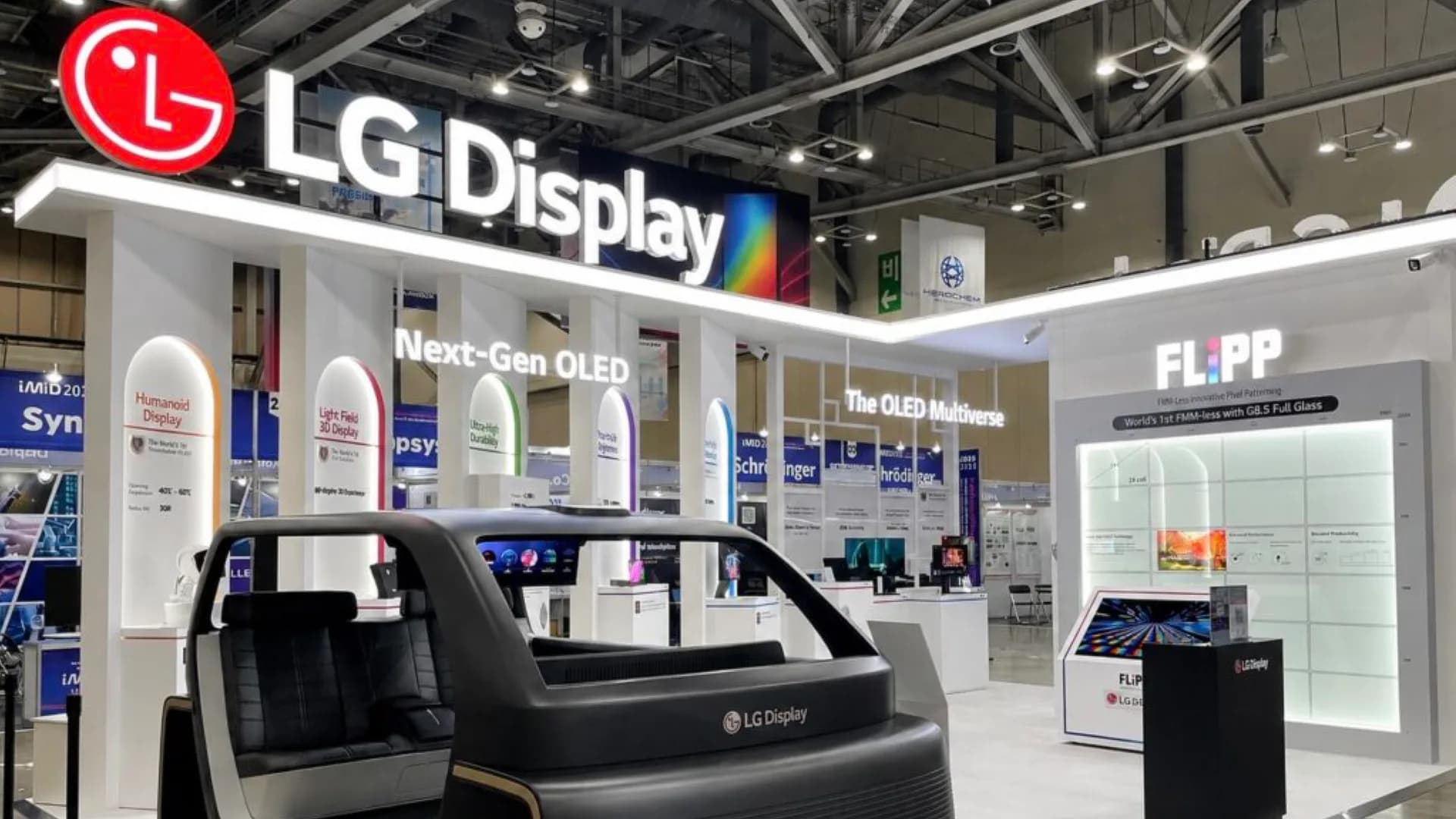

Be the first to comment
Join the argument. No password, just your email or a passkey.