Microsoft has quietly added experimental support for the open-source ACO shader compiler to its October 2026 Game Development Kit (GDK) — a move that could boost performance on Xbox Series X and Series S by up to 16% in select titles. The change affects only new or updated games opting in.
No existing Xbox software will benefit unless developers recompile shaders using the new toolchain. No launch date, retail rollout, or consumer-facing toggle has been announced. This is strictly a developer option, not an OS update, not a system patch, not a setting buried in Settings > Gaming > Advanced Graphics.
It’s a line in a GDK changelog, visible only to studios building for Xbox right now. And it’s built on Linux graphics infrastructure: ACO comes from Mesa, the open-source graphics stack used on Steam Deck and most AMD-powered Linux systems. Microsoft didn’t build it. Valve helped fund it.
AMD designed the hardware it targets, RDNA 2, the same silicon inside both Xbox consoles. That’s the first thing to grasp: this isn’t a Microsoft invention. It’s a strategic adoption of proven, upstream compiler tech, one that trades LLVM’s general-purpose flexibility for tighter, faster code generation tailored specifically to AMD GPUs.
Early tests show gains ranging from 2% to 16%, but Microsoft stresses those numbers vary wildly by engine, scene complexity, and how much a given game leans on shader-heavy rendering techniques like ray-traced reflections or complex particle systems. There’s no claim of blanket FPS uplifts. No benchmarks. No side-by-side video comparisons.
Just internal metrics tied to compilation speed and GPU instruction efficiency, two things players never see, but developers feel every time they iterate on a lighting pass or tweak a material. Alongside ACO, the same GDK drop adds AMD FSR 4.1.2 support, with INT8-optimized upscaling models tuned for RDNA 2’s fixed-function hardware, another quiet, low-level refinement, not a headline feature.
Neither change fixes Outlook. Neither ships to users. Both exist solely to give Xbox studios more tools to squeeze more out of hardware that’s now four years old. What happens next?
Developers start testing. Some will adopt. Others won’t. A few high-profile 2027 releases may quietly ship with ACO-compiled shaders, and if they do, the difference won’t be a spec sheet bullet. It’ll be smoother frame pacing in dense urban environments.
Or lower CPU overhead during dynamic weather transitions. Or just one fewer reason to downgrade shadow quality on Series S. But none of that is guaranteed. Microsoft hasn’t named a single title. Hasn’t promised a timeline.
Hasn’t even said whether ACO will graduate from ‘experimental’ to ‘recommended’. For now, it’s a compiler in a SDK, unannounced, unmarketed, and entirely optional. Just another lever in the long, slow tuning of aging silicon.
GDFiled by The Games Desk
Consoles, handhelds, PC gaming and the platforms and hardware behind them.
More from this desk →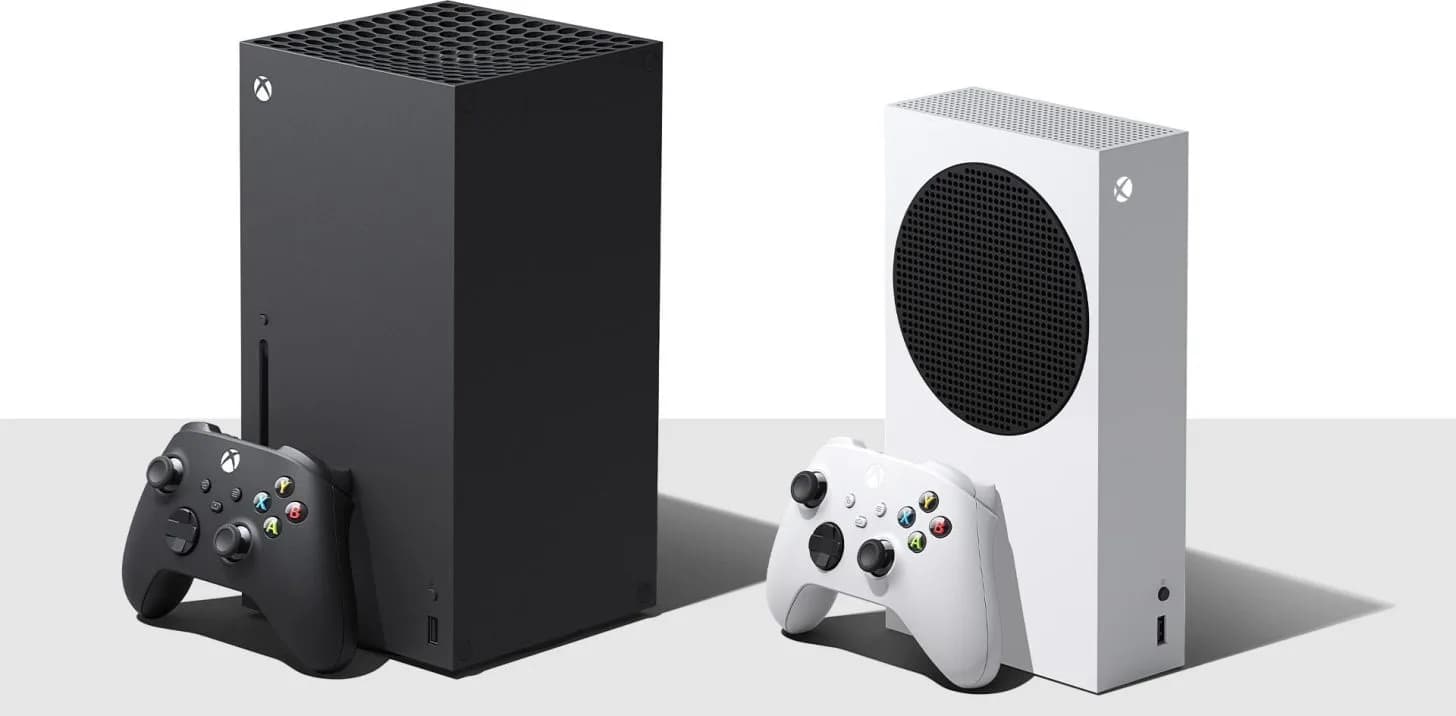


Be the first to comment
Join the argument. No password, just your email or a passkey.