Motorola Signature 27 launches globally in November 2026 — $899 in the US, ₹94,999 in India, with Snapdragon 8 Elite Extreme Gen 6, GrapheneOS support, and a 200MP periscope telephoto. It’s Motorola’s first flagship built to challenge Pixel and Galaxy on raw performance, privacy, and real-time video processing, not just specs on a sheet.
And it arrives while Samsung ships the Galaxy S26 Ultra with last year’s chip, and Google sticks with its slower Tensor G6 in the Pixel 11 Pro. The Signature 27 doesn’t replace Android’s leaders. It forces them to answer questions they’ve avoided: Why does AI have to mean throttling? Why can’t zoom be both optical and generative?
Why is real-time video enhancement still rare? The answers start shipping this month. So do the questions. The phone goes on sale Thursday, 20 November 2026, in the US and India.
Pre-orders open 15 November. No UK or EU pricing has been announced. The Snapdragon 8 Elite Extreme Gen 6 runs two cores at up to 5.01GHz, 900MHz faster than the Tensor G6 in the Pixel 11 Pro, and ahead of the Snapdragon 8 Elite Gen 5 in the Galaxy S26 Ultra.
Qualcomm says it delivers 13% faster CPU and 44% faster GPU performance. Motorola pairs it with six antennas, double the usual count, for faster downloads and cloud-AI handoffs. That same chip earned GrapheneOS’s official support, making the Signature 27 the first non-Pixel device to join the hardened OS’s certified list.
GrapheneOS previously backed only Pixels. Motorola promises seven years of OS upgrades, matching Google and Samsung, but this time, it’s backing the promise with early action: Android 17 stable rolled out in August 2026, after a beta launched in February. Over 50 Motorola models are now on the upgrade list.
Thermal control is where Motorola departs from mainstream flagships. Instead of just a vapor chamber, it layers diamond-infused thermal gel, liquid metal, copper mesh, and a 3D vapor chamber 40% larger than the one in the original Signature. Called ArcticMesh, it’s meant to sustain performance during long video shoots, AI inference, and gaming, not just short bursts.
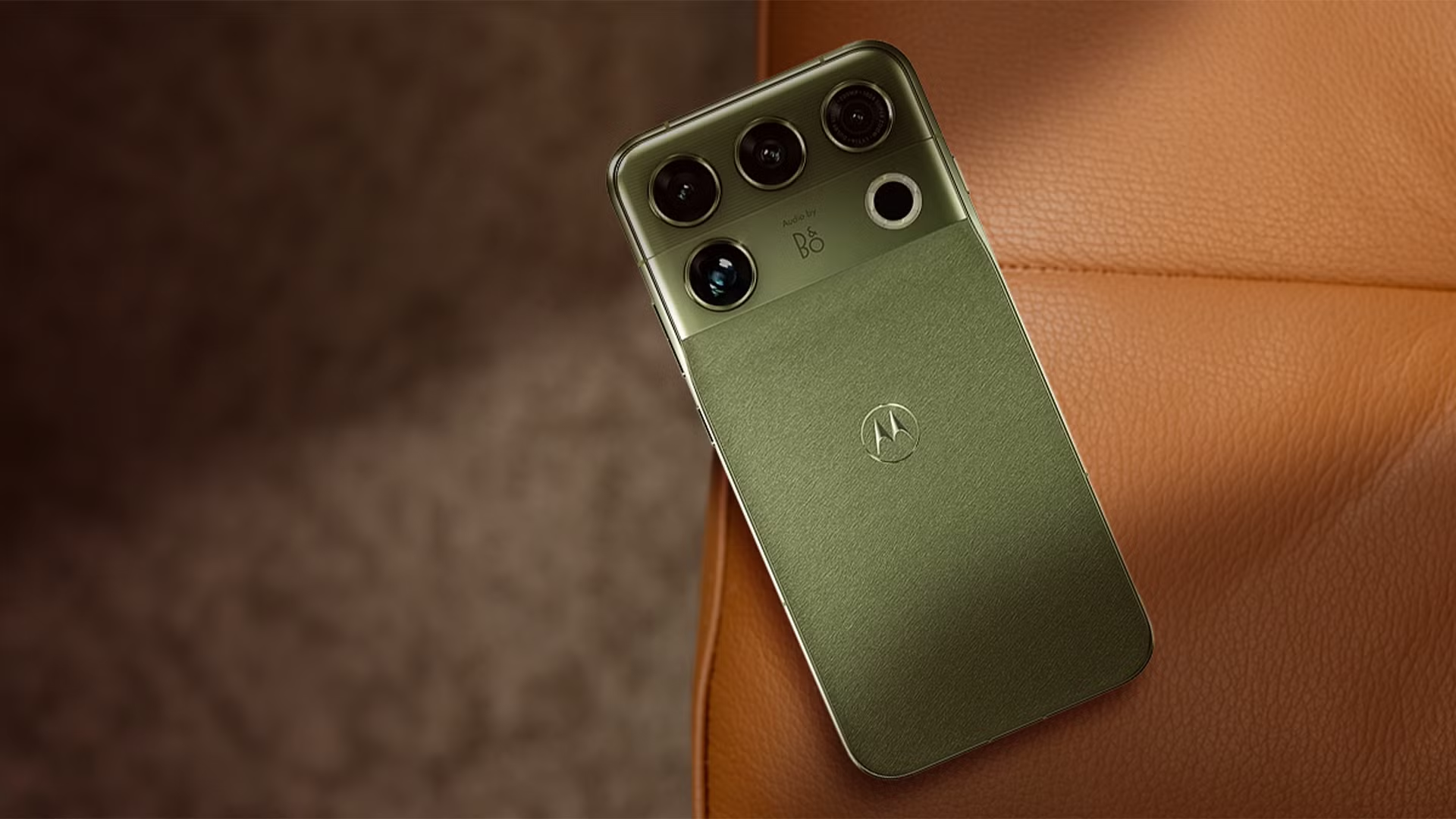
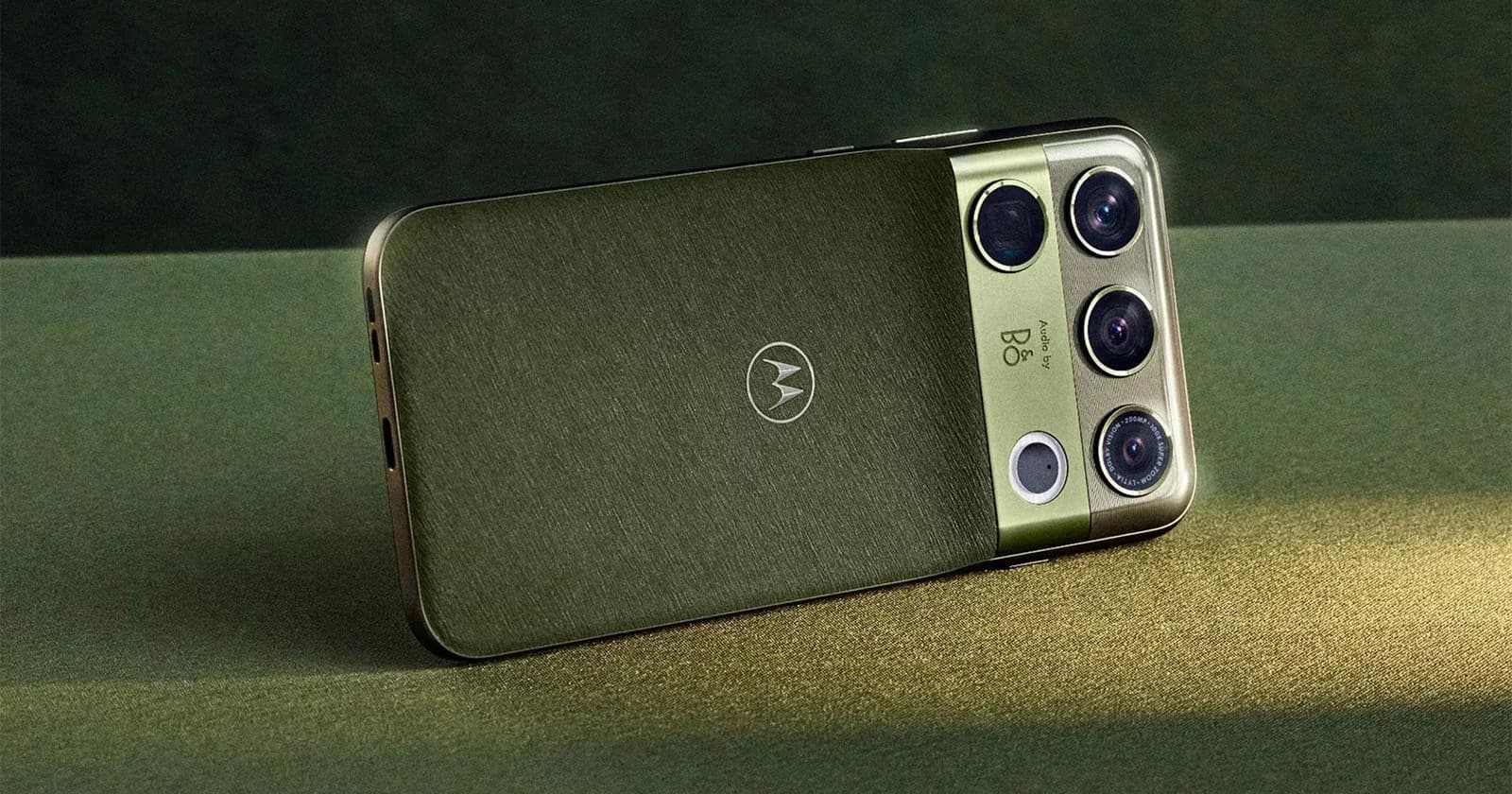
Camera setup flips the script. Samsung puts its 200MP sensor on the main lens. Motorola puts it on the periscope telephoto, next to a 50MP Sony LYTIA 910 main sensor. Super Zoom Pro uses that 200MP crop plus generative AI to hit 100x zoom.
The Pixel 11 Pro hits 120x, but with a 48MP telephoto, meaning less native resolution before AI fills gaps. Motorola’s zoom history invites caution. Real-time video tuning may matter more. Its Video Enhancement Engine adjusts color tones while recording, using 3.5-degree OIS hardware and Qualcomm’s stabilization stack.
Google’s Video Boost works post-capture, only after upload to Google Photos, and only on clips under 10 minutes. Motorola’s version runs locally, no internet required. Qira is Lenovo and Motorola’s personal AI, replacing Moto AI on Android 17 devices. It connects to Gmail, Calendar, Slack, and Outlook with permission, then summarizes missed updates via Catch Me Up.
It runs on-device where possible and encrypts local data. It’s not exclusive to the Signature 27: it rolls out to select Edge, Signature, and Razr phones, plus Moto Watch Ultra and Lenovo PCs with 16GB RAM. But on the Signature 27, it ships alongside Gemini, meaning Motorola isn’t outsourcing assistant duties.
Smart Connect ties it together: file sharing, screen mirroring, and cross-device control across Windows 10/11, tablets, TVs, and monitors. Samsung and Google offer Link to Windows. Motorola’s stack is deeper, and self-contained. None of this makes the Pixel 11 Pro or Galaxy S26 Ultra obsolete.
But it does make their assumptions visible: that users accept trade-offs in speed for AI, in privacy for convenience, in ecosystem lock-in for continuity. The Signature 27 doesn’t reject those trade-offs. It reorders them. And it ships with a price tag that puts it squarely between the Pixel 11 Pro ($849) and Galaxy S26 Ultra ($1,299), at $899.
In India, it’s ₹94,999, against ₹89,900 for the Apple Watch Ultra 4 and ₹79,999 for the iPhone Duo’s 40W adapter (a recent deal). Pre-orders begin 15 November. First units ship 20 November.
Be the first to comment
Join the argument. No password, just your email or a passkey.