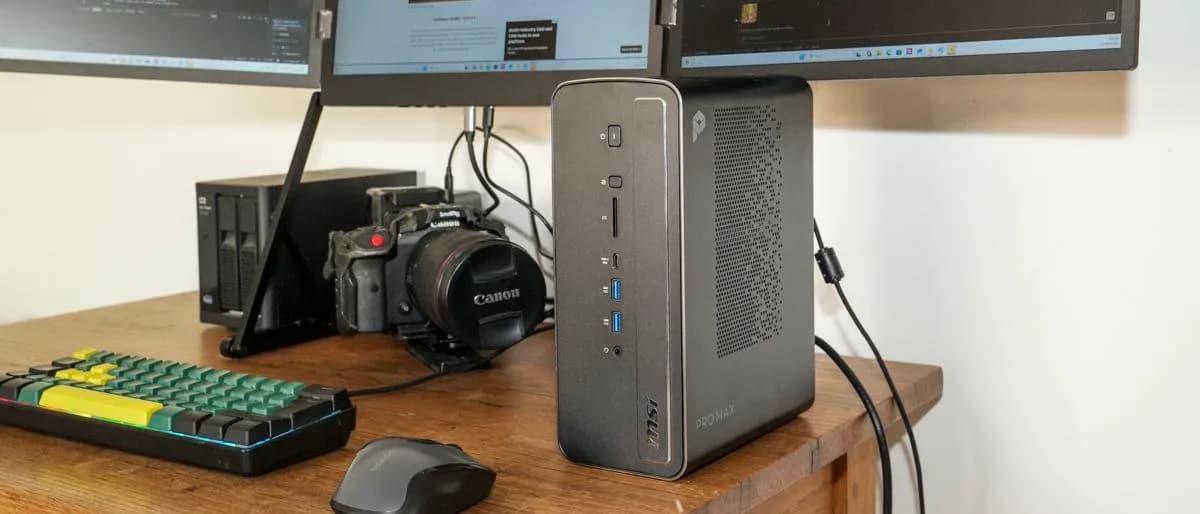
MSI Pro Max Edge AI+ mini PC launches at $5,499 — Windows 11 mini workstation with 128GB RAM, Radeon 8060S graphics, and full offline LLM support, available now globally, including India at ₹4.75 lakh (approx.) and UK at £5,999. Not a laptop replacement. Not a gaming box. It’s a desktop-class AI workstation that fits in a lunchbox. And it runs Windows 11 Pro out of the box. MSI shipped the Pro Max Edge AI+ to retailers on 1 October 2026. The first units are now live on the MSI website and major online channels in the US, UK, Germany, and India. Price is fixed: $5,499 in the US. €5,299 in Europe. £5,999 in the UK. And ₹4,75,000 in India, all for the same configuration. No base model. No upgrade path. Everything is soldered: 128GB LPDDR5X-8000 unified memory, 2TB NVMe Gen 4 SSD, AMD Ryzen AI Max+ 395 CPU (16-core/32-thread Zen 5), Radeon 8060S integrated GPU, and AMD XDNA NPU rated at up to 50 TOPS. That NPU + unified memory stack is what makes this a mini PC Windows 11 device built for local AI. Not cloud-dependent inference. It runs Lemonade, handles Flux and Qwen3 Coder models in VS Code, sorts 2,600-image batches offline, and builds ten-page websites via prompt, no internet required. Creative pros also get workstation-grade throughput: Sony RAW batches, 4K Canon EOS R5 C editing in Premiere Pro, Lightroom catalogues, Photoshop layers. All handled without thermal throttling or stutter. Port selection leans into pro workflows: front-facing SD 4.0 UHS-II reader, dual 40Gbps USB4 ports (both with DisplayPort 2.0 Alt Mode and 15W PD), HDMI 2.1, DisplayPort 1.4a, and a physical performance mode switch. But compromises exist. The 2.5GbE Ethernet feels underwhelming for a $5,500 machine, especially when rivals like the Lenovo ThinkStation P3 Tiny offer 10GbE. There’s no OCuLink for external GPUs. And while the chassis is compact (197.5 × 188.4 × 94.5 mm) and weighs just 2.9kg, it’s heavier and bulkier than most mini PCs. Closer to a mini tower than a Mac Mini. Power supply is internal, so no brick to carry, a plus for mobile creatives who need offline AI on location shoots or client presentations. MSI says the Strix Halo CPU inside is “optimised for LLMs”, but TechRadar notes the chip itself is over a year old. What’s new isn’t the silicon. It’s the memory architecture, NPU integration, and firmware tuning. That explains why it runs local models faster than many newer-but-less-cohesive systems. Setup isn’t plug-and-play. Running large language models still demands CLI familiarity, manual model downloads, and prompt engineering, not a polished UI. But once configured? It delivers private, persistent, high-throughput AI where cloud access isn’t viable: sensitive data environments, air-gapped studios, or regions with unreliable connectivity. Availability is global and immediate. No pre-order window. No regional delays. Units are shipping now from MSI’s site and partners like Newegg, Amazon US, Currys (UK), and Vijay Sales (India). No word yet on carrier or enterprise bundling. But given the price and spec, expect early adoption by design studios, AI research labs, and federal contractors needing on-prem inference. Next step? Watch for OEMs follow suit, and for Windows 11’s AI Studio to add native support for unified-memory LLM orchestration on devices like this.
MSI Pro Max Edge AI+ mini PC Windows 11
MSI’s $5,499 Pro Max Edge AI+ is the first mini PC built for serious offline AI workloads — 128GB RAM, Radeon 8060S graphics, and full Windows 11 Pro support — now shipping globally.
Get this deal
MSI PRO MAX Edge AI+ (2TB Black)
Buy on AmazonPaid links. As an Amazon Associate, Hitechreports earns from qualifying purchases. Prices change; the story gives the price as reported when it was written.
By Clock Speed
The Computing Desk · (2 hours ago)
Get this deal
MSI PRO MAX Edge AI+ (2TB Black)
Buy on AmazonPaid links. As an Amazon Associate, Hitechreports earns from qualifying purchases. Prices change; the story gives the price as reported when it was written.
Reported from
How this story was made
Written by the Hitechreports desk from the reporting credited above, with facts attributed to their original publishers. We do not test devices ourselves; anything about performance, battery life or cameras comes from the outlets that did. Prices are as reported at the time of writing. Editorial policy · Report an error
Filed by The Computing Desk
Laptops, desktops, processors, graphics cards and the operating systems that run on them.
More from this desk →Read next
More Laptops & PCs →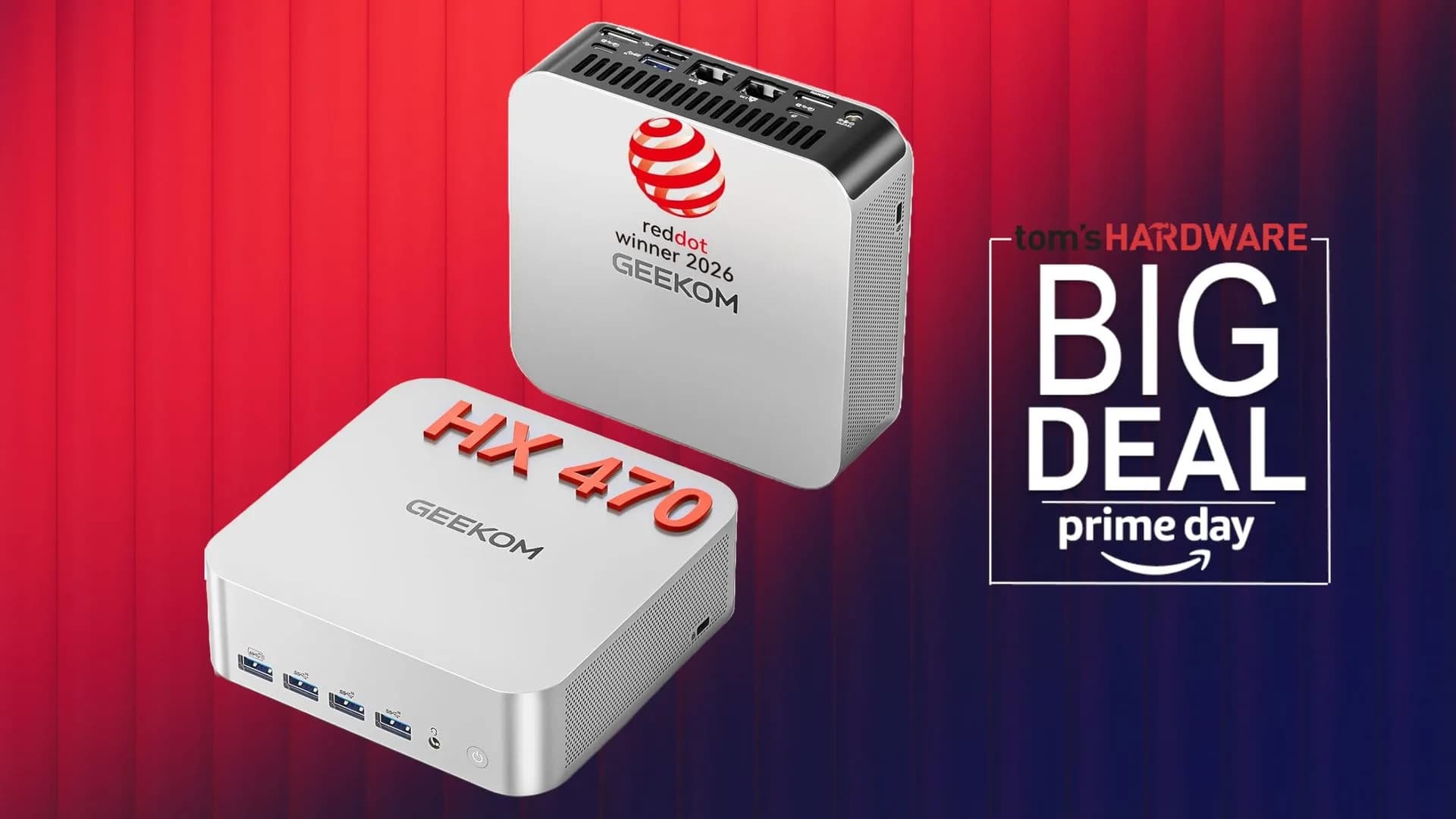
Geekom Mini PC Amazon Deals Cut Windows 11 Desktops to $284
Geekom discounted multiple Windows 11 mini PCs on Amazon and its online store on Wednesday, trimming prices on Core Ultra and Ryzen models down to an entry point of $284.
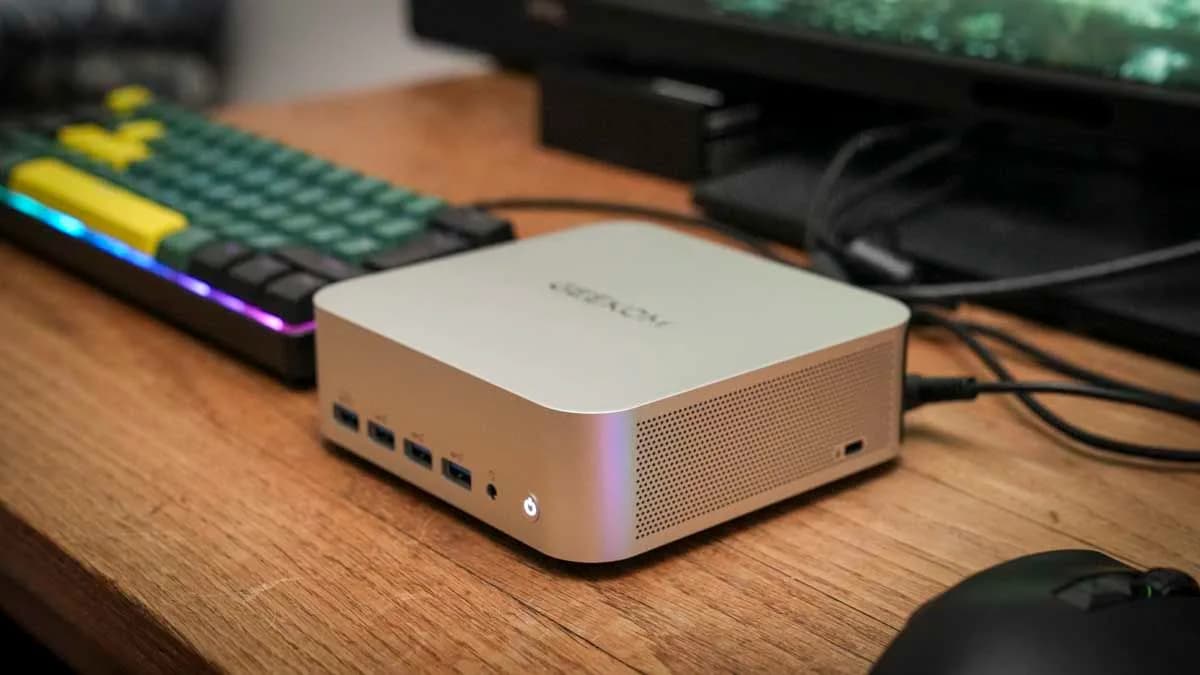
Geekom A8 Max Mini PC Drops to $719 With Code
The Geekom A8 Max mini PC is $719 on Amazon in the US — down from $799 — with promo code TRA8XDFB during Amazon’s Fall Prime Day 2026.
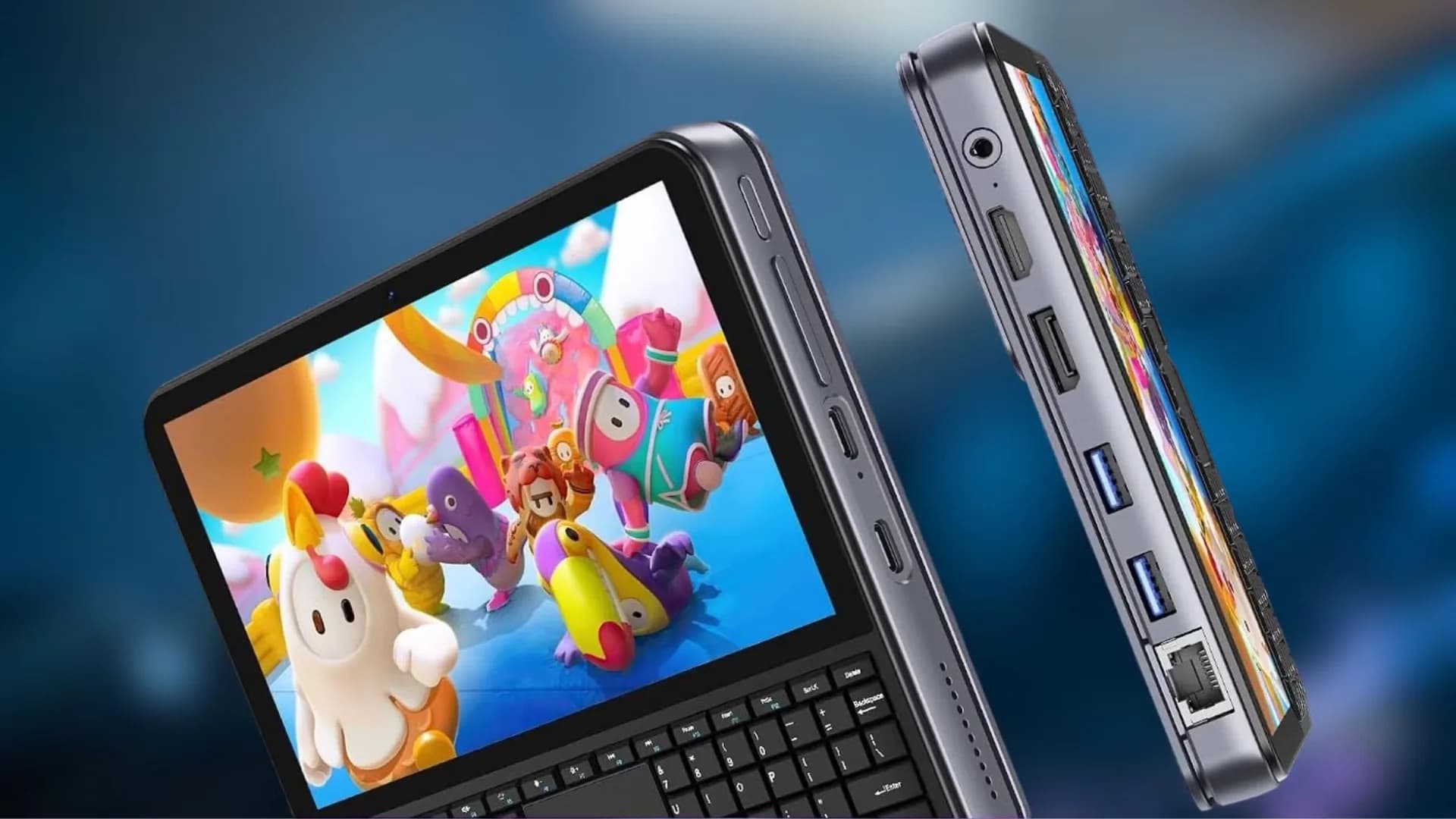
AE86 mini PC with touchscreen and keyboard drops to $480 on Amazon
The AE86 mini PC bundles a 5.7-inch touchscreen, keyboard, touchpad, and mouse into a single $480 package on Amazon — after a $120 coupon. It runs Windows 11, has an Intel N95 chip, 16GB RAM, and 512GB storage.
Be the first to comment
Join the argument. No password, just your email or a passkey.