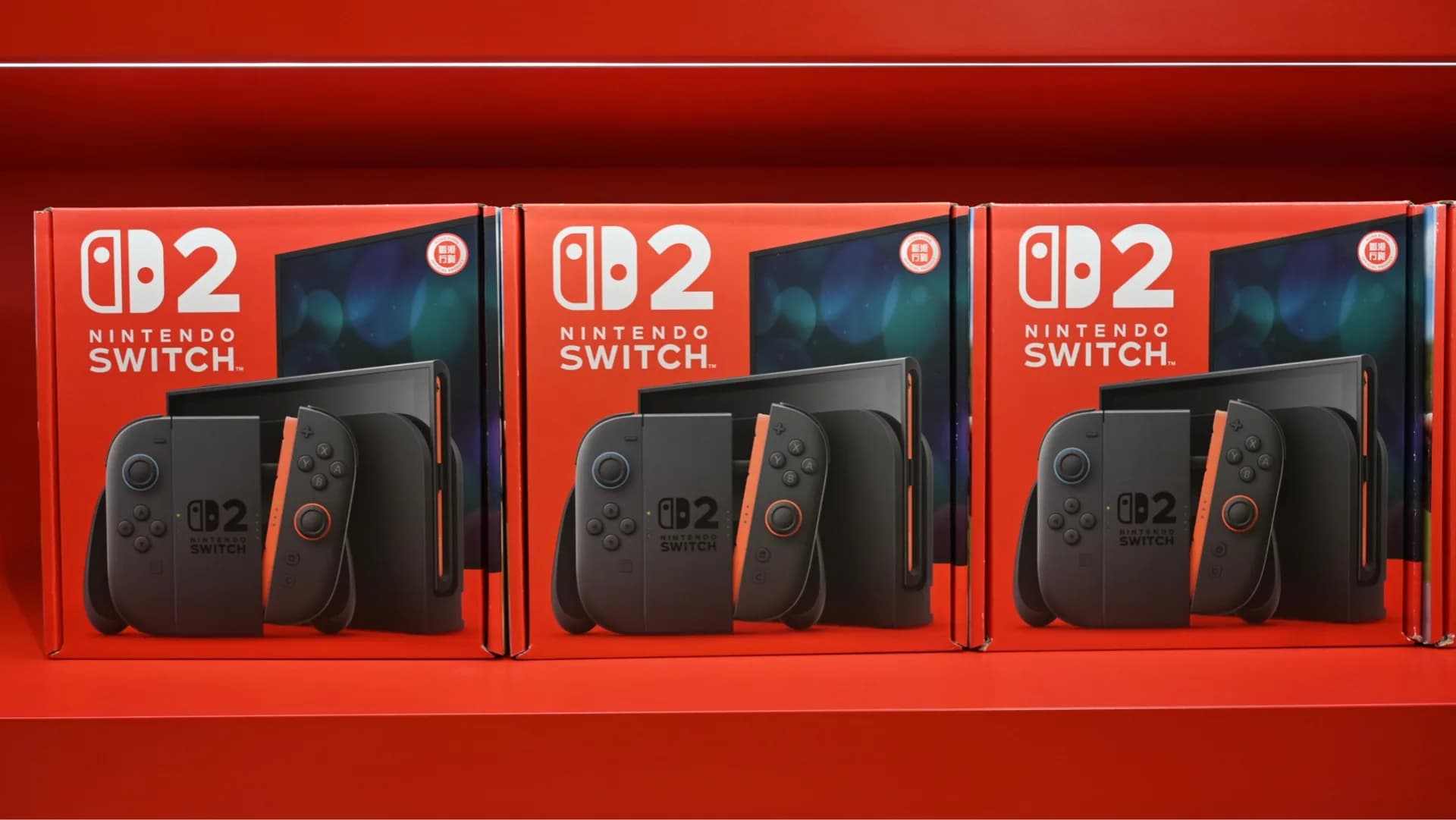
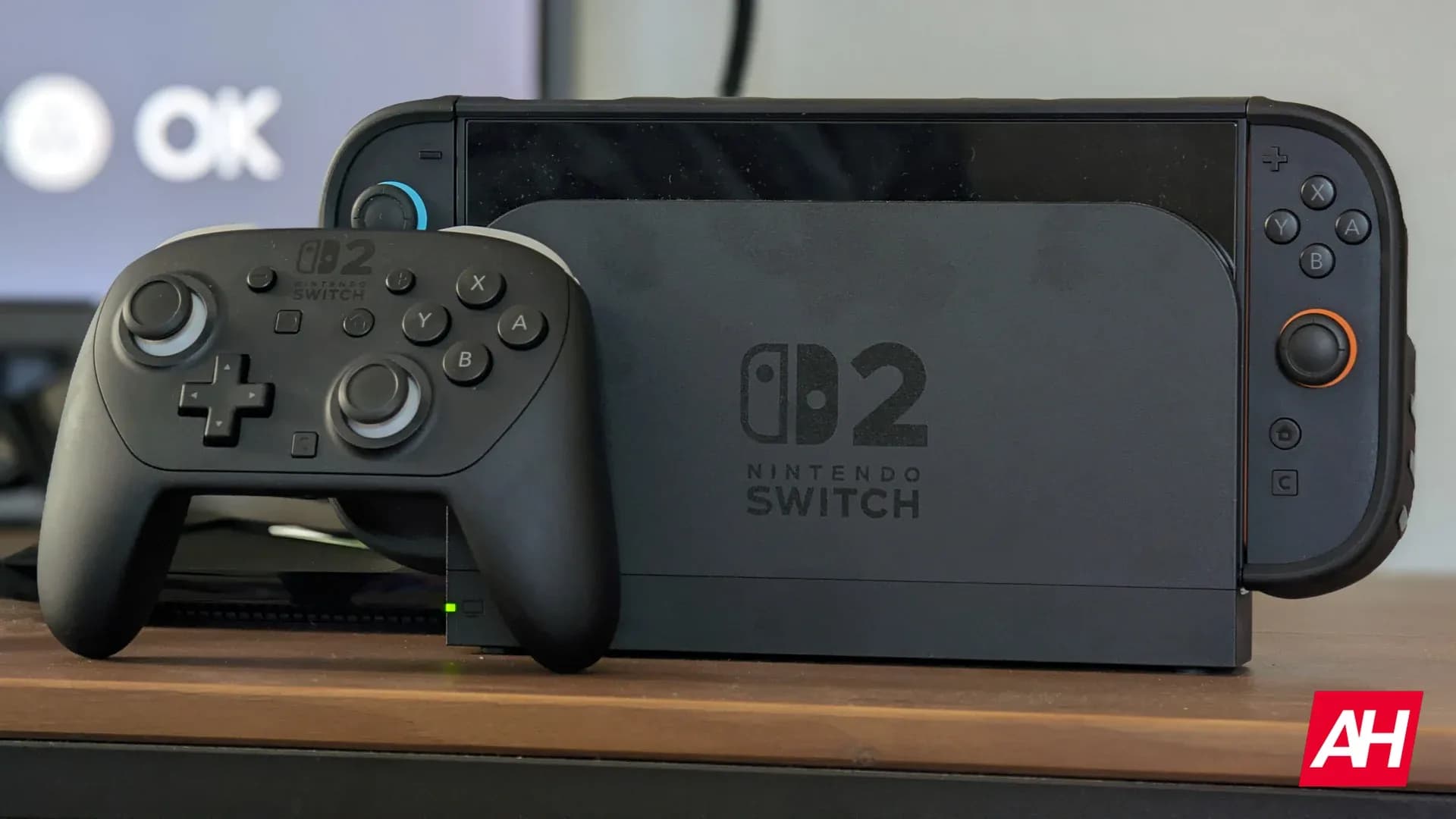
Nintendo Switch 2 sales dropped 37.4% year-on-year in the April–September 2026 window — to 6.49 million units, as the $499 price tag bit harder than expected. The first-gen Switch fell 32.7% to 1.27 million units in the same period. That’s not a blip. It’s the steepest six-month hardware decline Nintendo has reported for a new console launch since the Wii U era.
And it happened after the May price hike from $449 to $499, a move Nintendo now says won’t be repeated, at least for now. President Shuntaro Furukawa confirmed to investors that DRAM supply is stable enough to hold the line on pricing, though he left the door cracked: another increase remains possible if the memory crisis worsens.
No date, no trigger threshold, just contingency. Not speculation. A caveat. Game sales tell a different story.
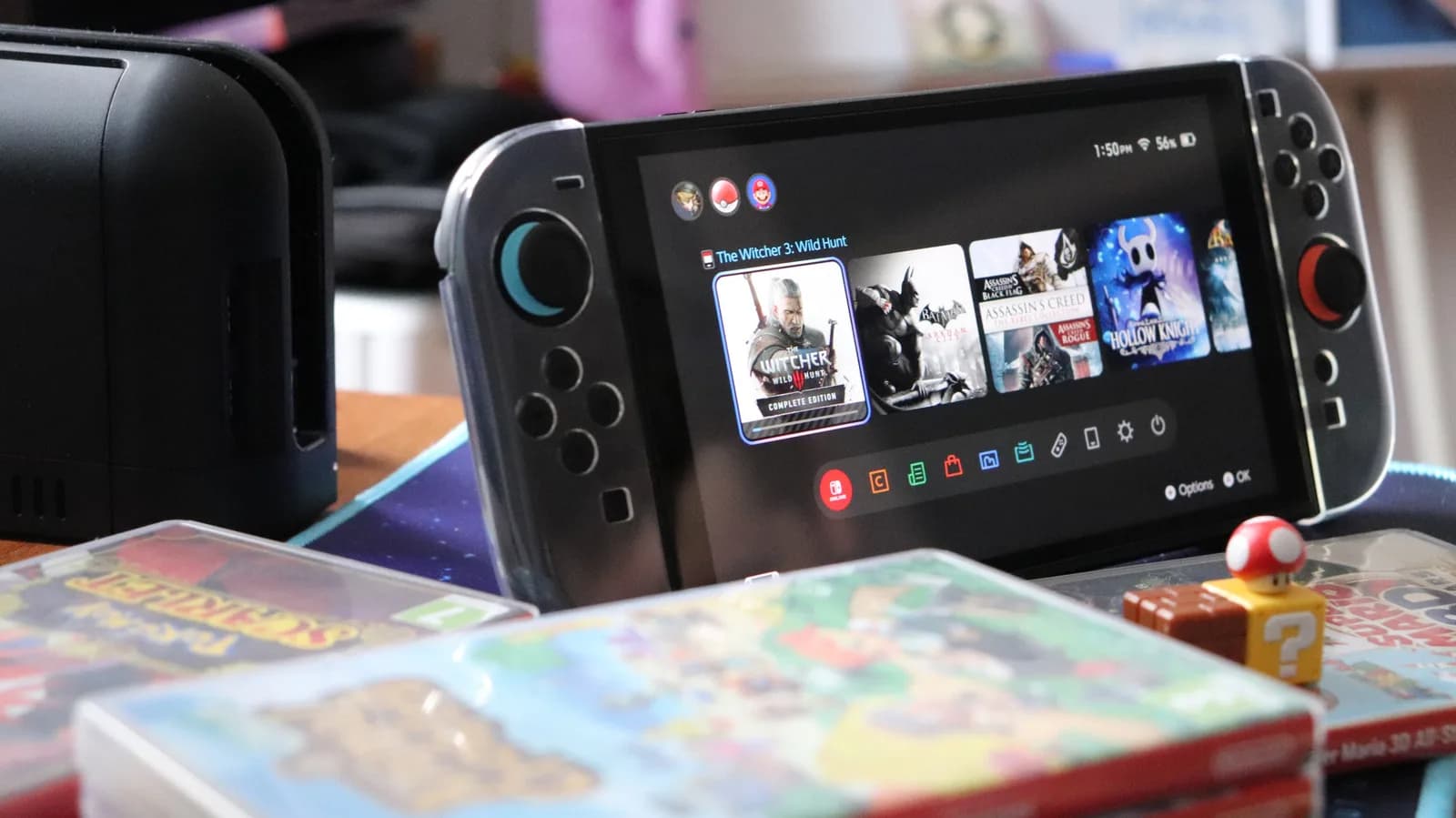
Nintendo sold 90.21 million Switch titles across both generations in those six months, up 9.8% on last year. Tomodachi Life: Living the Dream led with 8.81 million copies. That software lift helped push Nintendo’s profit up 22.1% to ¥486.4 billion ($3.08 billion), and gross margin jumped from 36.2% to 50.4%.
Hardware is down. Software is up. Margins are up. The math still works, for now.
But the question isn’t whether Nintendo can survive this dip. It’s whether the Switch 2’s $499 entry point sticks, or whether the company will have to reprice, reposition, or repackage before holiday 2027. The DRAM crisis isn’t over. Neither is inflation.
And ‘Nintendo Switch 2 games’ are selling well, but ‘Nintendo Switch 2’ searches keep trending upward, too. Buyers are looking. They’re just not buying. Yet.
GDFiled by The Games Desk
Consoles, handhelds, PC gaming and the platforms and hardware behind them.
More from this desk →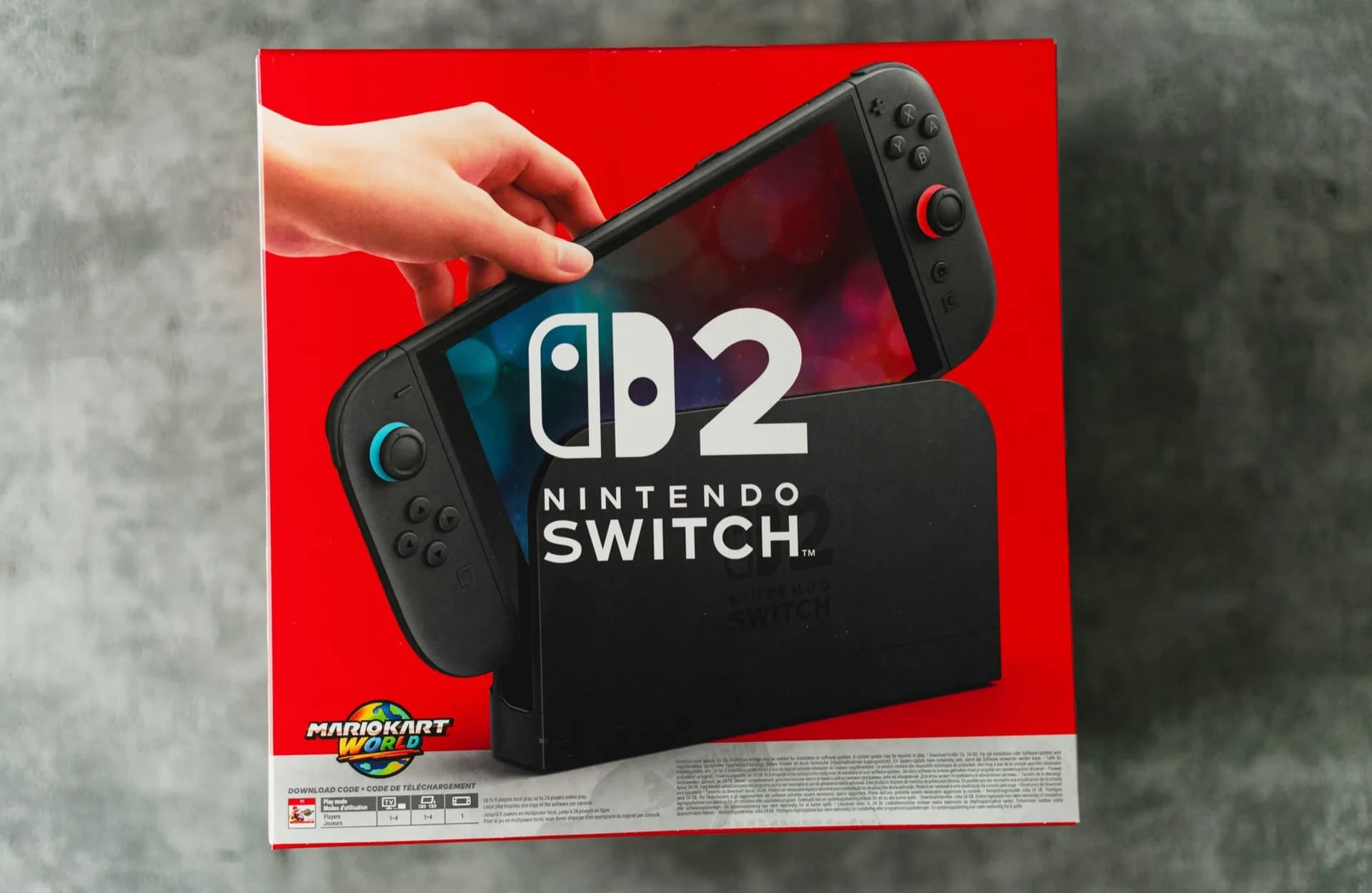
Be the first to comment
Join the argument. No password, just your email or a passkey.