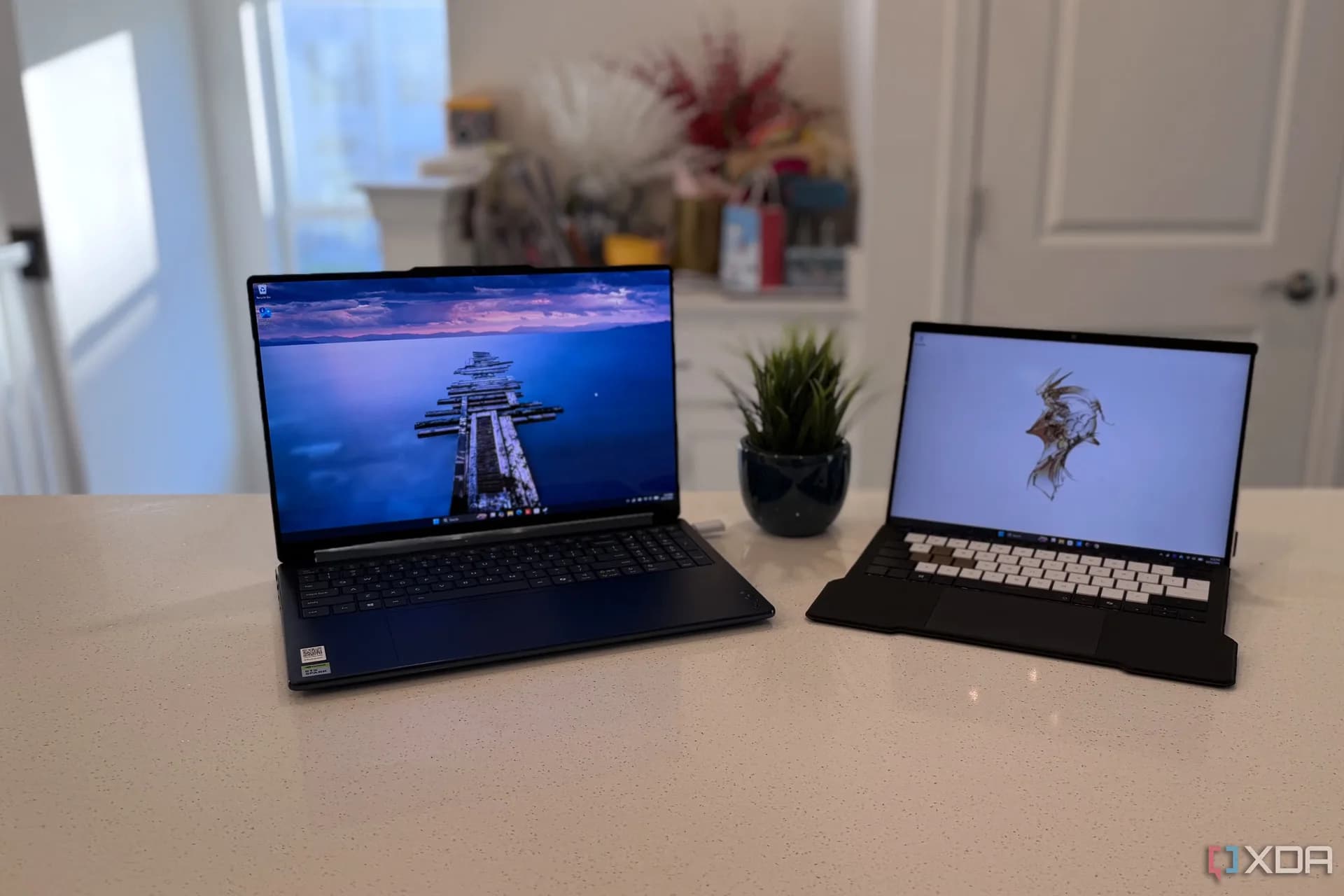
Nvidia built RTX Spark by taking the chip inside its DGX Spark desktop box and putting it into a Windows laptop, promising up to 128GB of unified memory and CUDA support for running AI models locally. XDA Developers spent a week testing one, a Lenovo Yoga 9n 2-in-1 with 64GB of memory, and found that several of the chip's real limits only show up after you've already paid for the machine.
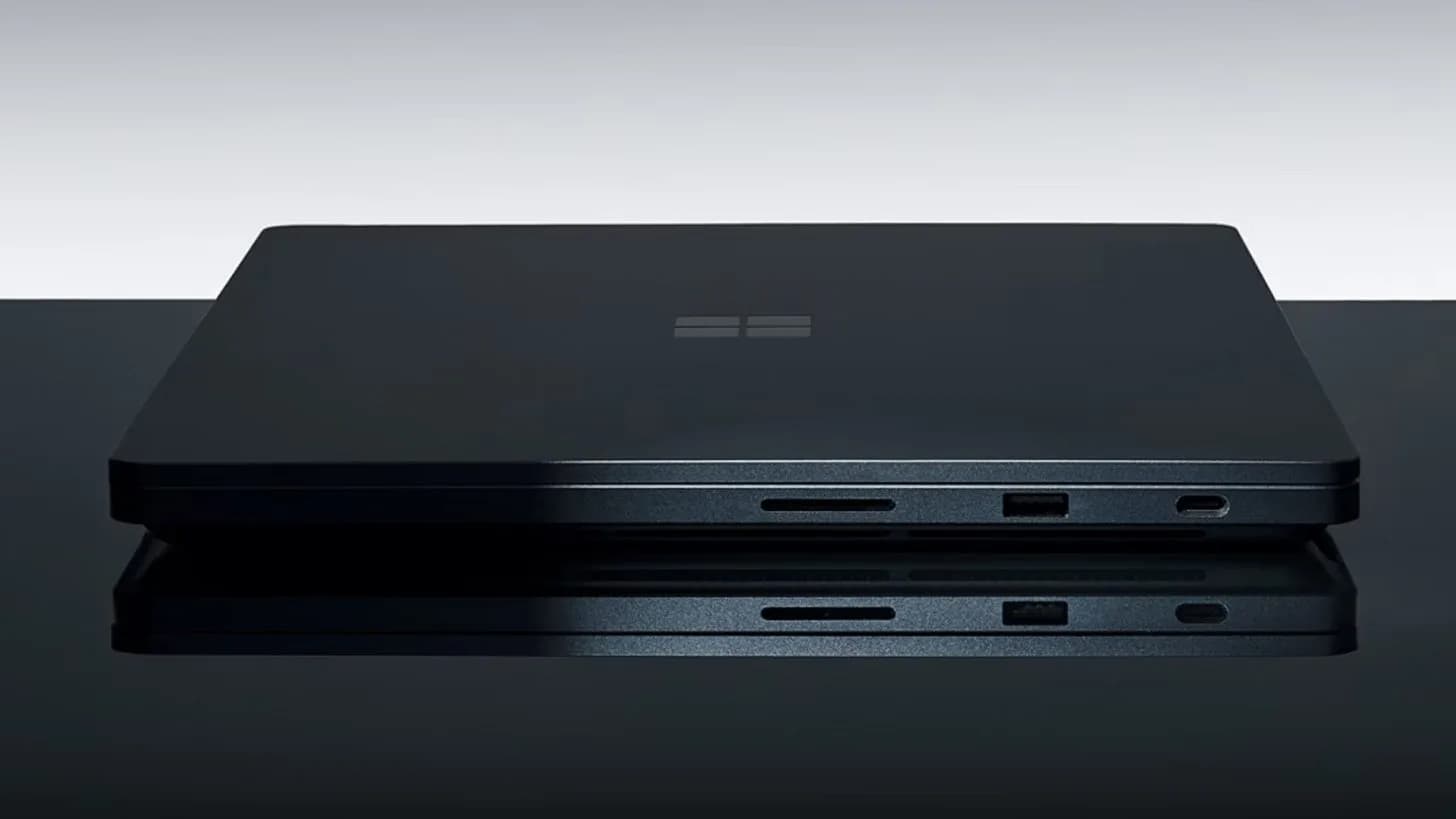
The memory is soldered to the board, so whatever configuration you buy at checkout is permanent. RTX Spark ships in two tiers: an 18-core CPU with 5,120 GPU cores that tops out at 64GB, and a full 20-core version that can go up to 128GB. XDA's test unit, the Yoga 9n with the full chip, 64GB and 1TB of storage, runs about $3,750. Microsoft's Surface Laptop Ultra with the same chip and memory costs $4,300, and the 128GB version runs $5,900.
The 64GB ceiling is real
According to XDA, the biggest GPU memory total Windows reported on the 64GB unit was 55.4GB, enough for a 32-billion-parameter model but well short of the roughly 65GB that a model like gpt-oss-120b needs just for its weights. Nvidia's own app lets owners split unified memory between GPU and CPU use, but XDA found the GPU number in that app isn't quite the same as usable VRAM. Pushing the GPU split from 16GB to 48GB freed up only about 3% more speed on a warm run, while leaving Windows itself with just 14.8GB and already 86% full with a model loaded.
A fresh Windows 11 install can ship with Smart App Control turned on, a setting that only lets signed apps or ones Microsoft's cloud service trusts run. XDA found it blocked current builds of Lemonade and unsigned llama.cpp releases, with Ollama the only tool that ran without issue. Oddly, an older Lemonade release worked fine while a newer one didn't. Microsoft now lets users toggle Smart App Control back on without reinstalling Windows, so turning it off is no longer a one-way decision, per XDA's report.
CUDA on Windows is still new, and Linux isn't official
Nvidia brought CUDA to Windows on Arm only this year, as a developer preview scoped to RTX Spark devices, and XDA found the basics solid for tools like Ollama. But Nvidia has itself warned that some PyTorch workflows can trigger GPU timeouts, and vLLM has no native Windows support at all.
Linux support is murkier still. The GB10 chip that powers RTX Spark runs Nvidia's own Ubuntu-based DGX OS inside the DGX Spark desktop unit, but the laptops ship with Windows only, and Nvidia has not announced official Linux support for them. A developer named Josephine Pfeiffer managed to get Arch Linux ARM running on a 128GB Asus ProArt P16 using patched drivers and custom ACPI overrides, reportedly reaching about 31 tokens per second on a Qwen model, but XDA notes that's one person's proof of concept, not a supported path. For now, running Linux tools means going through WSL2, Microsoft's compatibility layer, which XDA found worked reliably once the default memory limit was manually raised.
CDFiled by The Computing Desk
Laptops, desktops, processors, graphics cards and the operating systems that run on them.
More from this desk →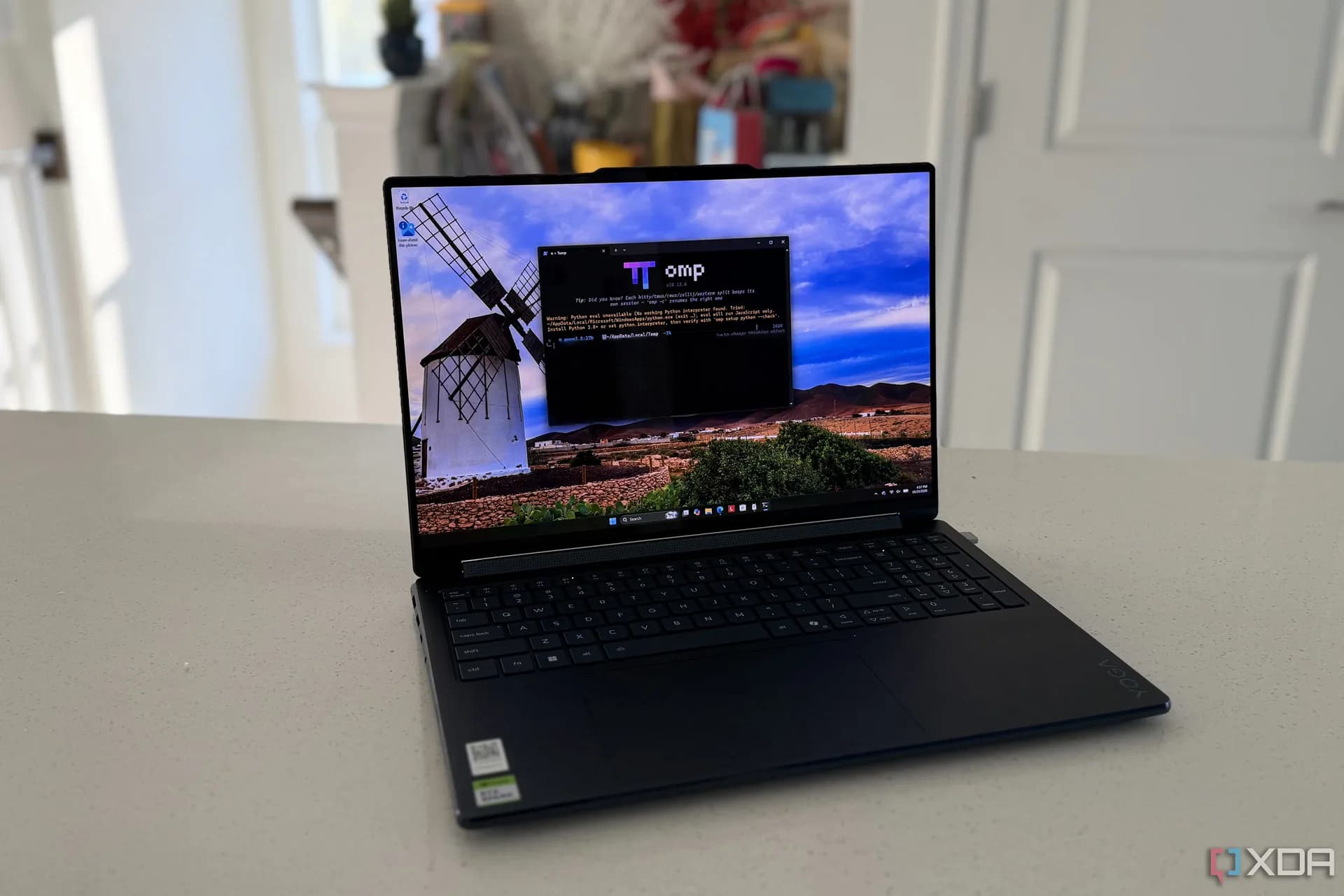

Be the first to comment
Join the argument. No password, just your email or a passkey.