A developer who writes for XDA Developers says the cheapest way to use Anthropic's Claude Code isn't to use it first.
In a piece published Friday, the writer describes running Qwen3:30B and Gemma 4 locally on an Nvidia RTX 4070 Ti Super with 16GB of memory, reserving Claude for the parts of a job that actually need a frontier model. The pitch isn't that the local models are better. They aren't, by the writer's own account. Claude's models, including Sonnet 5.5, are described as ahead on coding, long conversations and catching mistakes, "and it won't be close." The case for going local is about cost, privacy and Claude Pro's usage caps, not raw capability.
The numbers are specific to one test. Building a Pygame project from scratch with Claude Code cost $1.35, the writer says. Handing Claude Code a working build that Qwen3:30B had already produced, and asking it only to refine that code, cost $0.77. That's a 43 percent drop on that single project, not a general benchmark, and Anthropic has not commented on the comparison.
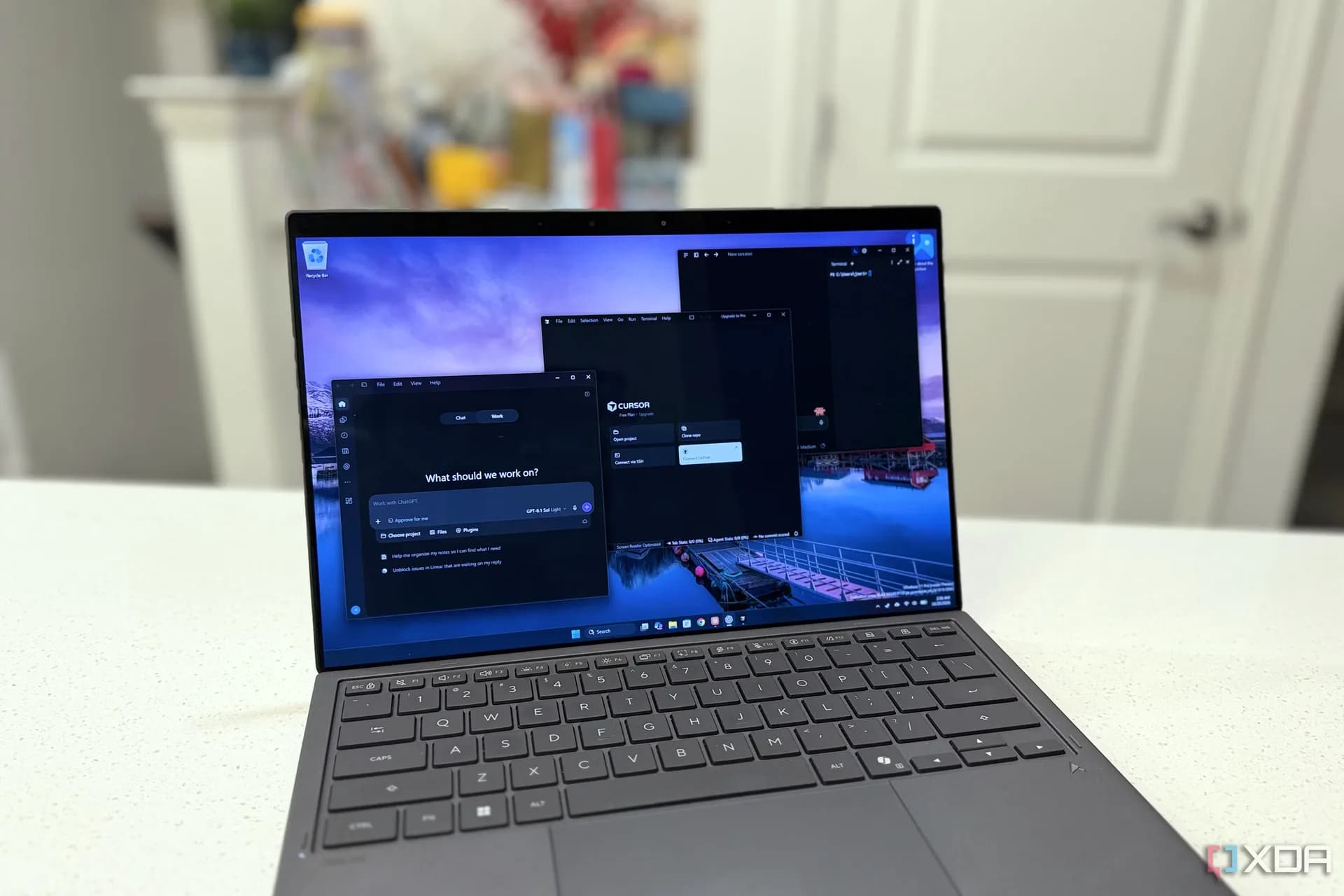
The other driver is Claude Pro's limits. The plan carries a rolling five-hour session cap, a weekly cap, and a shared capacity pool that can tighten during busy hours. The writer says hitting those mid-session and switching to a local model costs more than money: moving context from one model to another can break the thread of reasoning a long coding session has already built up. Letting Qwen3:30B take the first pass, instead, means Claude only sees the finishing work, and the usage meter barely moves.
Not every task gets the same treatment. Monthly bank statements and other personal financial data go to a locally run Gemma 4 E4B, a lighter model with vision support and a 128,000-token context window large enough to hold a dozen PDF statements in one sitting, specifically because the writer doesn't want to upload that data to any cloud service. Low-stakes questions, what to watch next, what to read next, also go local, on the logic that a question that doesn't need deep reasoning shouldn't eat into a weekly Claude allowance.
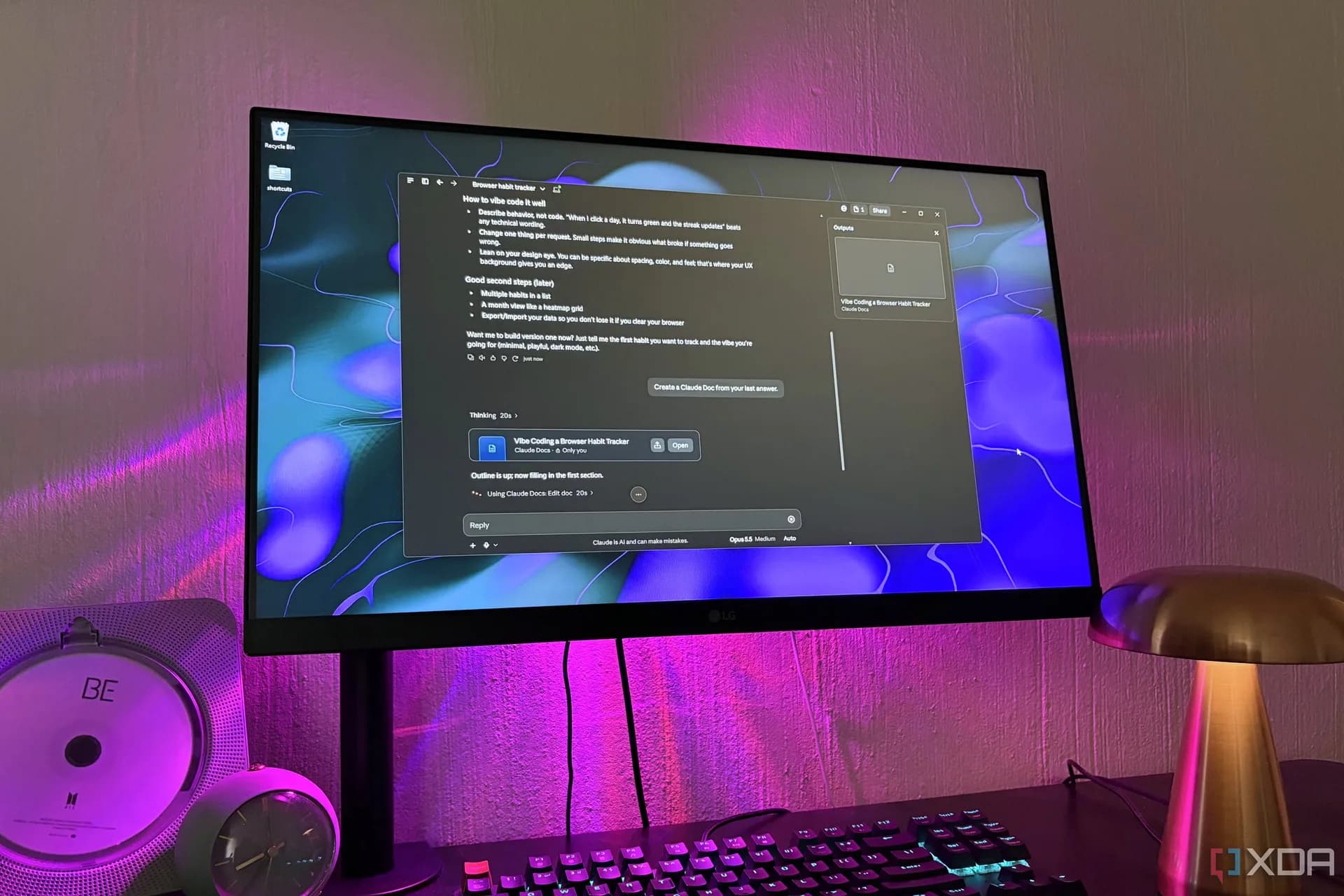
None of this is a verdict on Claude itself. The writer is explicit that nothing on the market beats it for zero-shot coding, debugging or research right now. The argument is narrower: that a free local model sitting on a desktop GPU can absorb the bulk of everyday prompts, leaving the metered, pricier model for the moments that actually require it.
It's one developer's workflow, not a lab benchmark, and the cost figures come from a single project rather than a controlled comparison. But it points to a pattern more AI Code users may start testing for themselves as usage caps on paid tiers keep shaping how people script their workdays around them.
ADFiled by The AI Desk
Models, assistants and the companies and chips behind them, reported from what was released and what was claimed, with the difference kept clear.
More from this desk →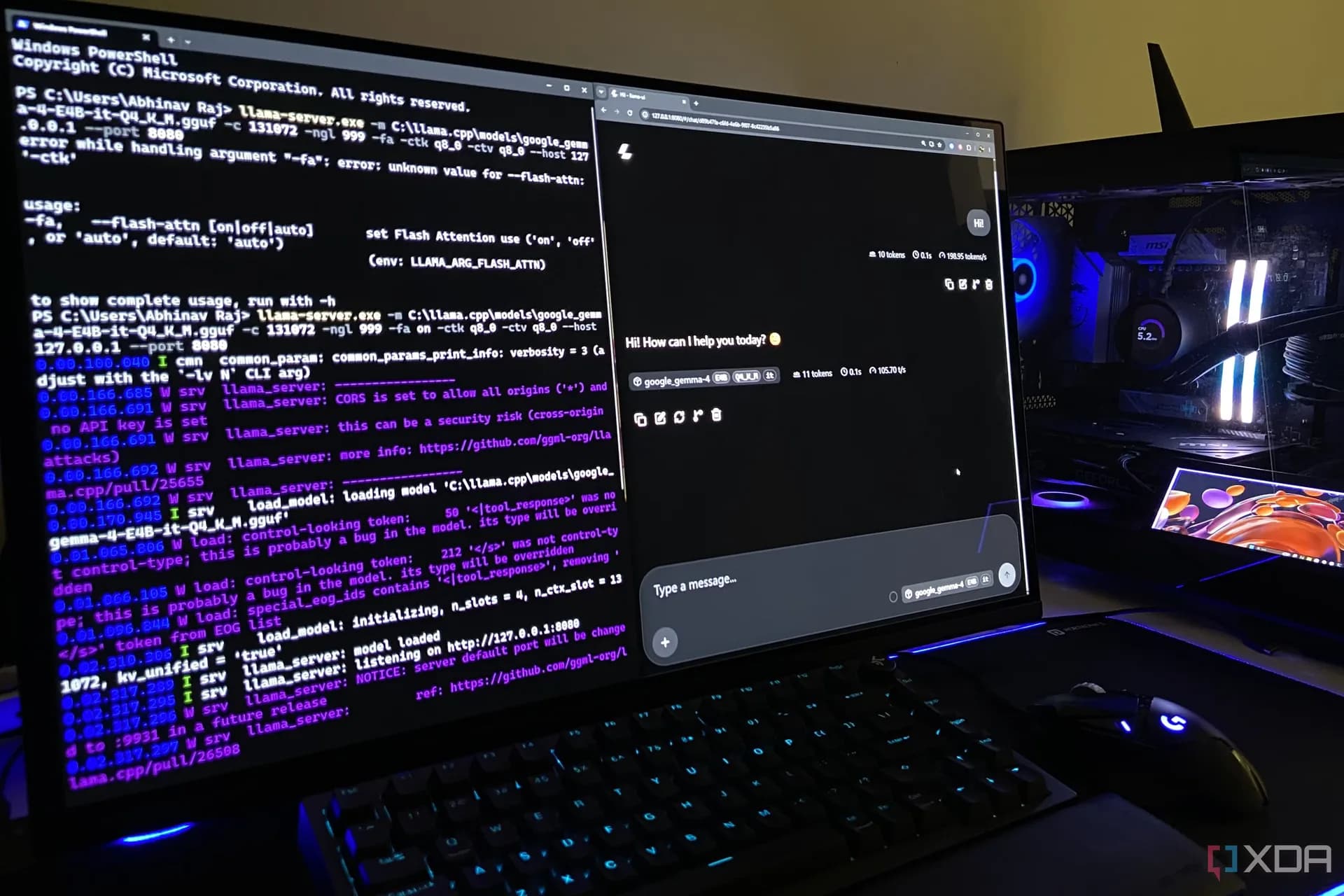

Be the first to comment
Join the argument. No password, just your email or a passkey.