A criminal complaint unsealed Tuesday accuses an OpenAI engineer of hiding a recording device, wrapped in toilet paper, behind a monitor inside a conference room reserved for the company's executives. Prosecutors say he used chatbots to help pull it off.
Abdulrahman Alfozan, a 35-year-old Saudi Arabian national and US permanent resident, faces one federal charge for using an electronic device to intercept oral communications, which carries up to five years in prison. He made his first court appearance in San Francisco on Tuesday. OpenAI fired him last Friday, timed to his arrest.
According to the complaint, Alfozan spent weeks querying an internal productivity tool and an AI chatbot about meetings scheduled in the room, which can only be booked by executives and executive assistants. It's used for leadership meetings, technical reviews and briefings with outside partners and government officials, often touching on research, strategy and government relationships, prosecutors say. He also allegedly used a chatbot account tied to his spouse to ask technical questions about setting up covert audio recording.
The device itself was a Seeed XIAO ESP32-S3 Sense, a thumb-sized board with a microphone, a detachable camera sensor and microSD storage that sells for $13.99 on the manufacturer's site. OpenAI called it "sophisticated" in a statement, though the retail price suggests otherwise. The company's security team tried to pull data off the card but couldn't, because it was encrypted.
OpenAI says it found the bug on September 30 during a routine countersurveillance sweep, plugged into a USB port on the back of a television in the room. It notified the FBI, then worked backward through chat logs and surveillance footage to connect the device to Alfozan, gradually cutting his access to internal systems while the investigation continued.
The case got stranger from there. On October 5, OpenAI security found a bag Alfozan had left unattended in a printer room. Inside was a second encrypted Seeed device, along with his wallet and other personal items. Alfozan later reported the bag missing and retrieved it from the company's lost and found, then followed up to ask about a missing credit card, roughly $500 in cash and two AirPods. He never mentioned the second recording device, which security had already removed.
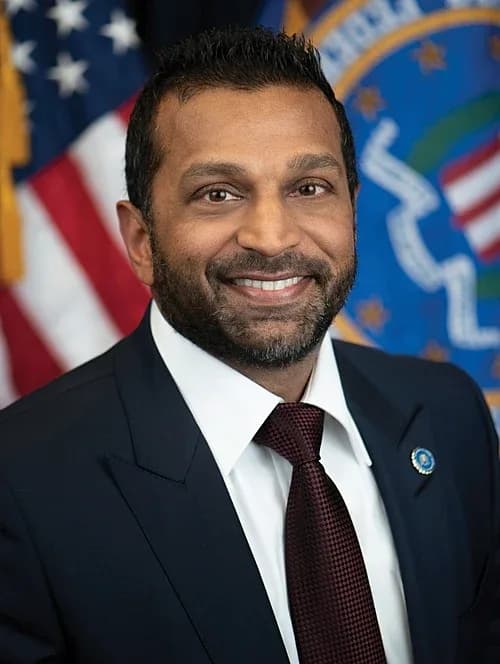
FBI director Kash Patel said in a statement that Alfozan intended "to secretly capture sensitive communications about the company's super intelligence technology." Neither prosecutors nor OpenAI have said what his motive might have been. OpenAI said it has found no sign he accessed or took model weights, source code or customer data.
Alfozan joined OpenAI in July 2025. A LinkedIn profile attributed to him lists prior stints at Meta and a cargo logistics startup, plus a part-time role as a venture partner at RAED Ventures, a Saudi venture capital firm. He has also described himself as part of a group of Saudi engineers in Silicon Valley who consult for organizations back home. Meta and RAED Ventures did not respond to requests for comment from Wired.
Alfozan could not be reached. His case now moves toward further hearings in federal court in San Francisco.
TBFiled by The Tech Business Desk
Big tech, startups, earnings, regulation and policy — the decisions that shape the products.
More from this desk →



Be the first to comment
Join the argument. No password, just your email or a passkey.