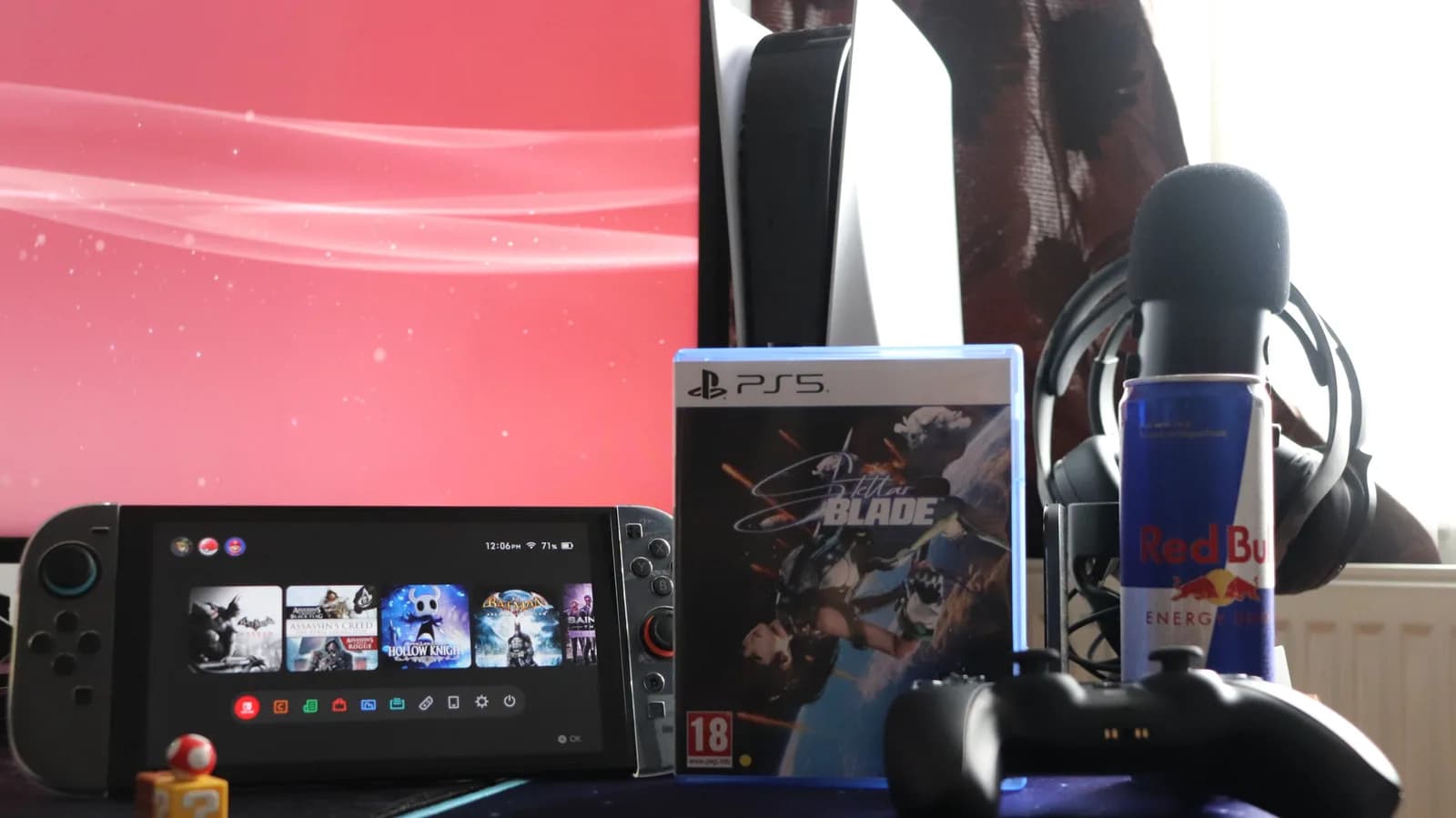
Sony has confirmed the PlayStation 5 will stop supporting physical game discs after January 2028 — a hard cutoff that’s already reshaping how buyers weigh their next console purchase. The PS5 Digital Edition starts at $599 in the US. The disc-based model is priced at $699. In India, the Digital Edition is Rs 49,990, and the disc version Rs 59,990, both available now through Flipkart, Amazon India, and Sony Center stores. Nintendo’s Switch 2, meanwhile, launches globally on November 12 at $499.99. Rs 39,999 in India, with no announced end-of-disc timeline. It’s not a direct competitor in specs or intent, but it is the clearest alternative for players who want new hardware without committing to an all-digital future. And right now, that distinction matters more than raw teraflops. The PS5’s AMD Radeon RDNA GPU delivers 10.28 teraflops. Enough for native 4K rendering in many titles, though most games still rely on upscaling (FSR, now joined by QSSR) to hit that resolution. The Switch 2 uses a custom Nvidia Tegra T239 chip: 3.072 TFLOPs docked, 1.71 TFLOPs handheld. Its strength isn’t brute force, it’s AI upscaling via DLSS, which lets older Switch titles like Mario Kart 8 Deluxe and remastered versions of Xenoblade Chronicles 2 and Metroid Prime 4: Beyond run at 4K. But demanding new releases don’t scale as cleanly: Resident Evil Requiem, for example, runs at native 540p docked on Switch 2, upscaling to 1080p. On PS5, it hits native 1080p before upscaling to 4K. Frame rates tell a sharper story. Digital Foundry found Elden Ring on Switch 2 targets 40 FPS docked. Dropping to ~25 FPS handheld, with visuals roughly matching the PS4 version. On PS5, performance mode targets 60 FPS consistently, dipping into the 40s only in the most intense scenes. Same for Cyberpunk 2077: 40 FPS on Switch 2, 60 FPS on PS5. That gap matters most in precision-driven genres: soulslikes, shooters, racing sims. Higher frame rates tighten input response. A tangible difference, not just a spec sheet has. Backward compatibility tilts further toward Sony. Every PS4 blockbuster, God of War, The Last of Us Part II, Spider-Man. Runs on PS5, many with visual upgrades, faster load times, and DualSense haptic integration. Nintendo doesn’t offer cross-gen backward compatibility for Switch titles on Switch 2. Its library is forward-only, polished, inventive, and built for portability, but not built to inherit a decade of AAA investment. Then there’s VR. PlayStation VR2 ($399.99 / Rs 32,990) works only with PS5. It adds immersive depth to Resident Evil Village, Horizon Call of the Mountain, and Gran Turismo 7. Switch 2 has no VR support. Not even planned. That’s a deliberate choice, not an oversight. Nintendo’s design philosophy prioritises accessibility, battery life, and local multiplayer over fidelity or immersion tech. Sony’s is the opposite. So the real question isn’t “Which console is more powerful?” It’s “What kind of gaming do you want next?” If you want cinematic, high-fidelity, VR-ready, disc-to-digital transitioned AAA experiences, and are comfortable with the 2028 disc deadline. The PS5 remains the only current-gen option. If you want flexibility, portability, and no forced digital migration, the Switch 2 arrives November 12.
PlayStation 5 disc edition ends in 2028
Sony’s 2028 disc cutoff is live — and it’s making the PS5 vs. Switch 2 decision about more than specs.
Get this deal
PS5 Media Remote
Buy on AmazonPaid links. As an Amazon Associate, Hitechreports earns from qualifying purchases. Prices change; the story gives the price as reported when it was written.
By Player Two
The Games Desk · (4 hours ago)
Get this deal
PS5 Media Remote
Buy on AmazonPaid links. As an Amazon Associate, Hitechreports earns from qualifying purchases. Prices change; the story gives the price as reported when it was written.
Reported from
How this story was made
Written by the Hitechreports desk from the reporting credited above, with facts attributed to their original publishers. We do not test devices ourselves; anything about performance, battery life or cameras comes from the outlets that did. Prices are as reported at the time of writing. Editorial policy · Report an error
Filed by The Games Desk
Consoles, handhelds, PC gaming and the platforms and hardware behind them.
More from this desk →Read next
More Gaming →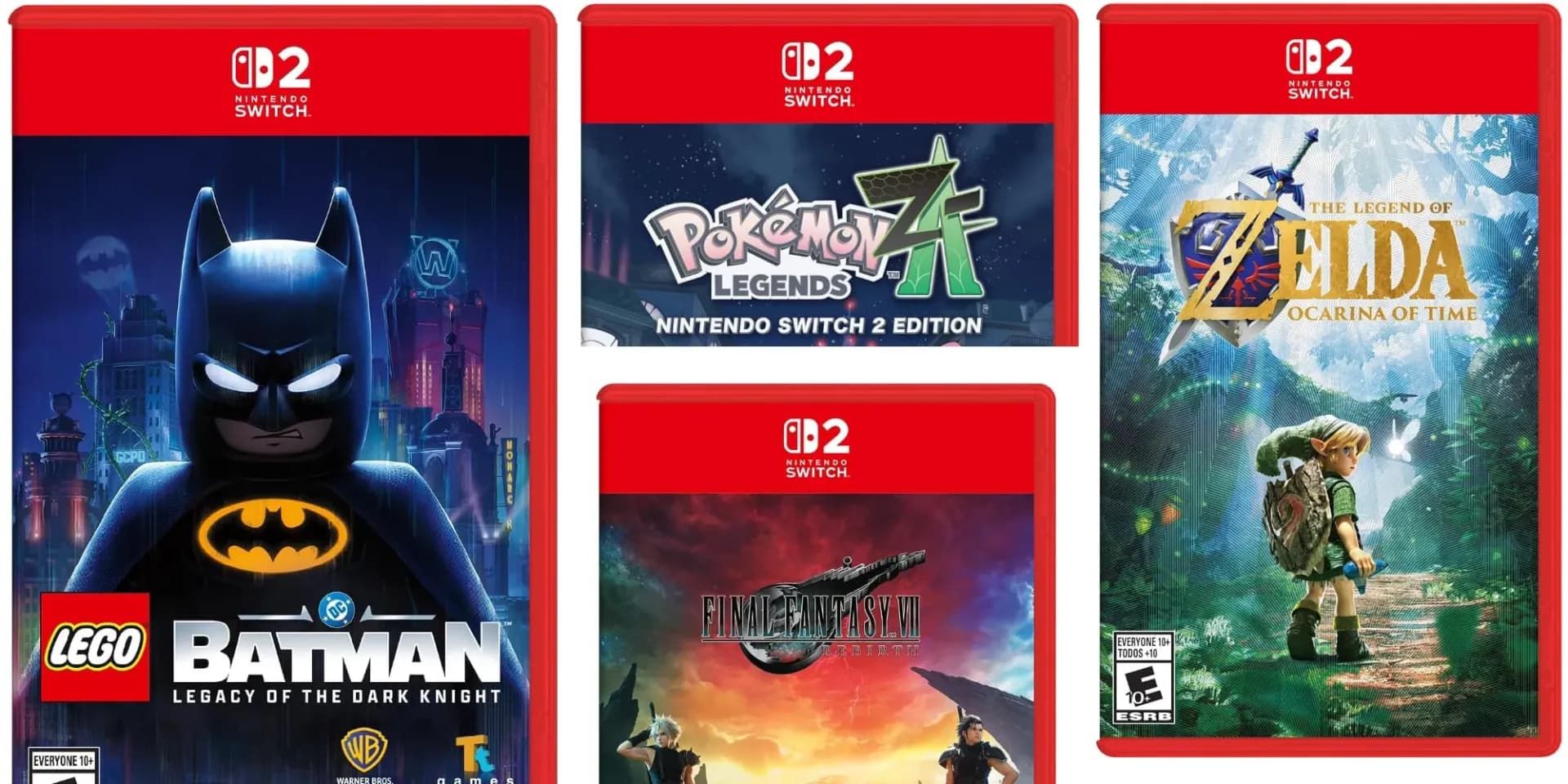
Amazon Fall Sale Cuts LEGO Batman and Console Game Prices Across Platforms
Amazon's October sale brings discounts on console titles, featuring all-time lows on LEGO Batman, Pragmata, and deep price cuts across a broad lineup of PlayStation 5 games.
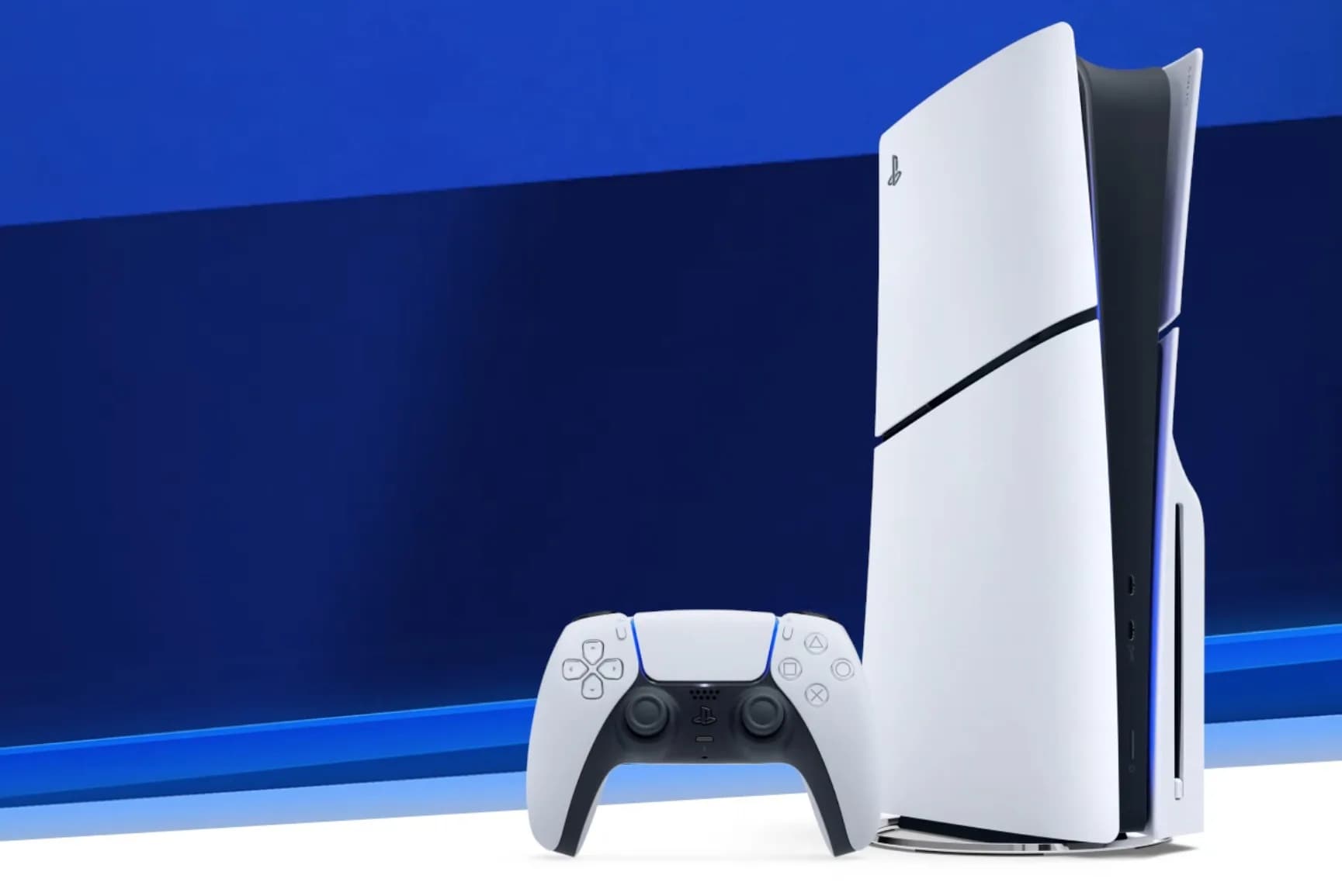
PlayStation 5 sales fall to 13-year low in US as average price hits $597
PlayStation 5 unit sales in the US fell 25% year over year through August 2026 — the lowest figure for that period since 2013.
PlayStation 5 game discs end in January 2028
Sony will stop producing PlayStation 5 game discs by January 2028. The decision is final — no reversal, no extension, no exceptions for collector’s editions or regional markets.
Be the first to comment
Join the argument. No password, just your email or a passkey.