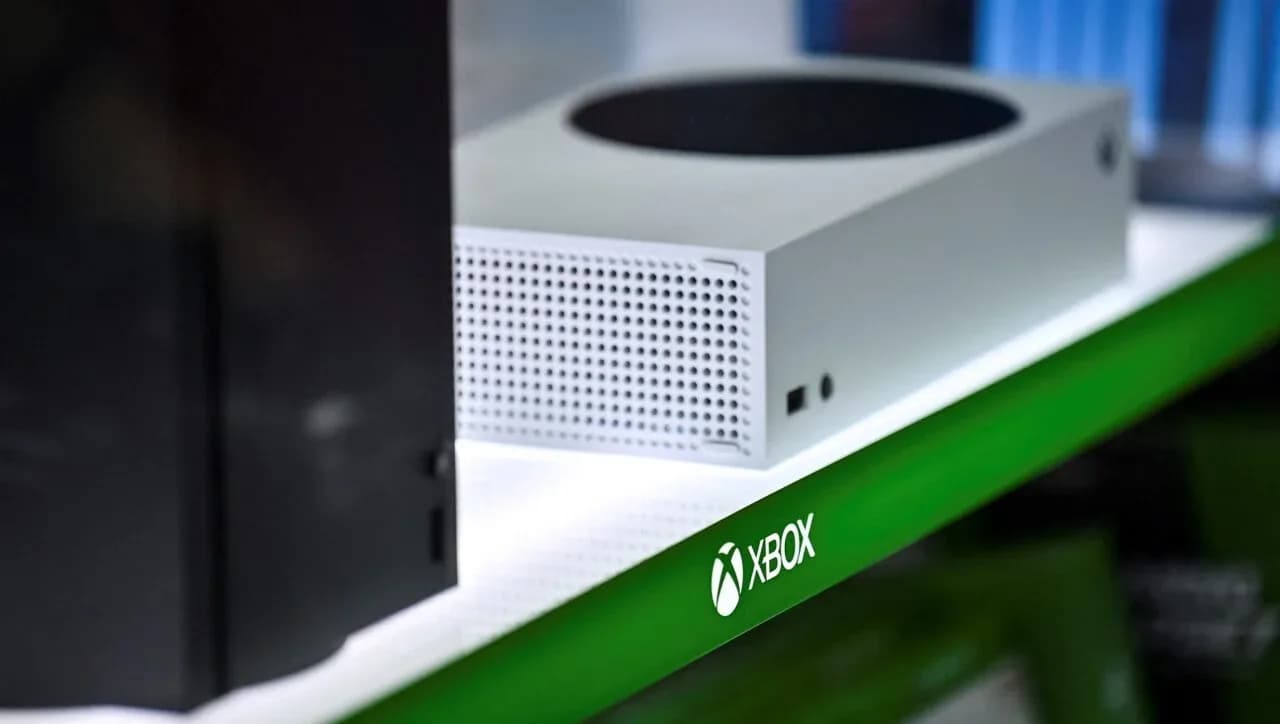
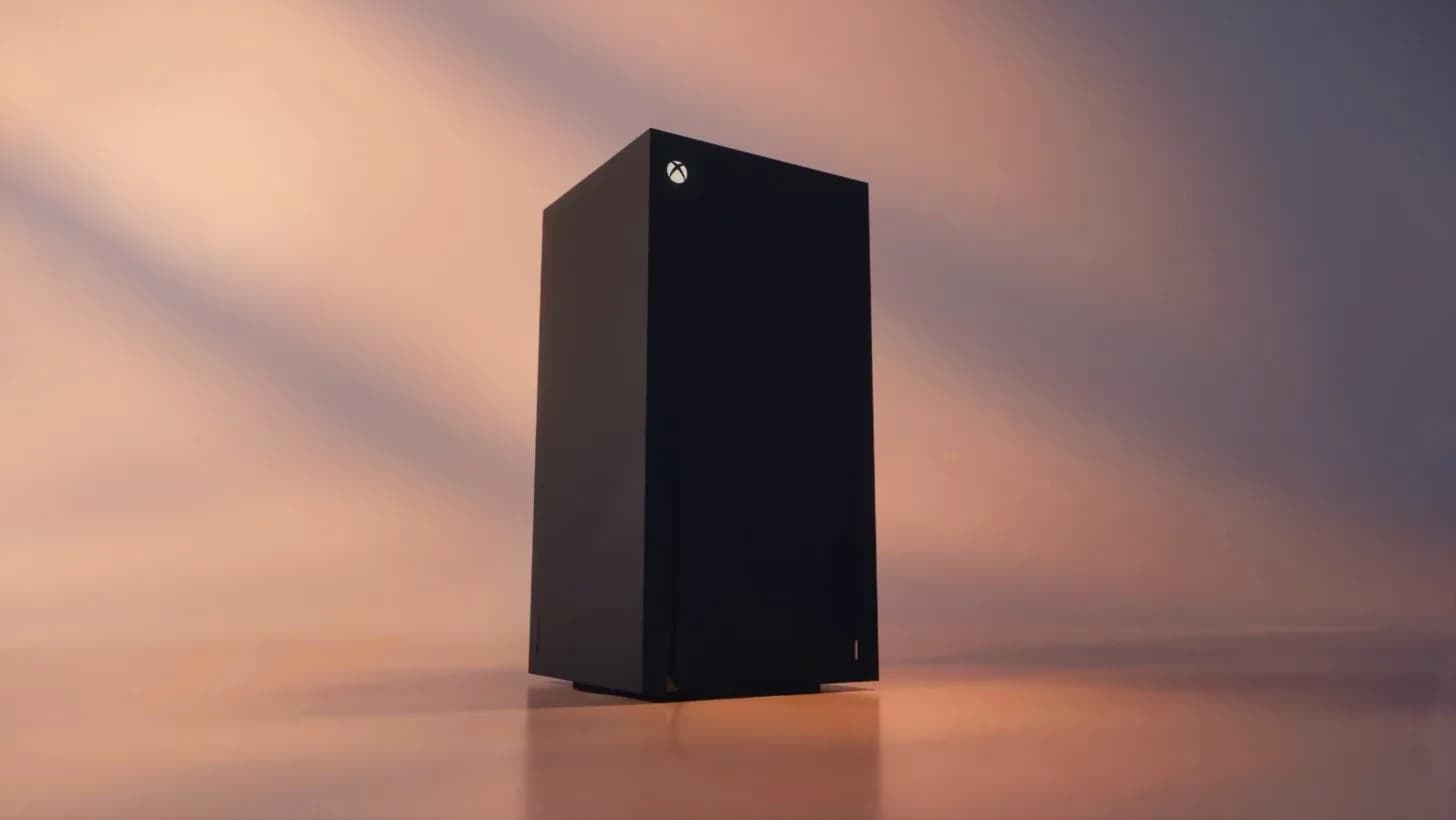
The PlayStation 5 Pro is now priced at $900 in the US and ₹99,990 in India — up from its original $799 launch price, while the Xbox Series X all-digital model starts at $750. That $150 gap isn’t just about raw specs. It’s about what each console does with its hardware, and what it refuses to do at all.
Sony’s new flagship may win on GPU muscle and AI upscaling, but Microsoft’s six-year-old console still ships with features Sony has never implemented, and shows no sign of adding. Smart Delivery. Quick Resume for multiple games. Dolby Vision support in games.
A disc drive, standard, not optional. And Game Pass, which delivers day-one first-party titles like Halo: Campaign Evolved and Gears of War: E-Day. The PS5 Pro doesn’t have any of them. Not one.
It doesn’t even support Dolby Vision for movies or games, only HDR10. And unlike the Xbox Series X, it ships without a disc drive, forcing PS5 Pro buyers who own physical games to pay an extra $79.99 for a separate add-on. Worse, Sony confirmed in 2026 that it will stop manufacturing disc-based PS5 games entirely by 2028, a signal that the PS6 likely won’t include a drive either.
The Xbox Series X, meanwhile, still plays your Blu-ray collection and your Xbox One disc library out of the box. Its Quick Resume feature lets you suspend up to three current-gen games, and resume them instantly, even after full power-off. The PS5 Pro suspends only one game, and only while the console remains in rest mode.
Switch it off? You reload from scratch. Smart Delivery handles cross-gen upgrades and save syncing automatically. On PS5 Pro, you often pick between PS4 and PS5 versions manually, and sometimes lose progress unless you remember to fetch saves from the cloud first.
Game Pass Ultimate includes PC and Windows handheld play with cleanly cloud saves. PS Plus Premium offers streaming and a rotating catalog, but Sony’s biggest exclusives, Spider-Man 3, Horizon IV, The Last of Us Part III, remain pay-to-play on day one. The PS5 Pro launched in late 2025. The Xbox Series X launched in November 2020, and hasn’t been meaningfully updated since.
Yet here we are in November 2026, comparing a brand-new $900 console against a six-year-old $750 one, and finding the older machine more complete, more flexible, and more future-proof in key everyday ways. Sony’s bet is that raw power matters most. Microsoft’s is that convenience, consistency, and ecosystem cohesion still do.
GDFiled by The Games Desk
Consoles, handhelds, PC gaming and the platforms and hardware behind them.
More from this desk →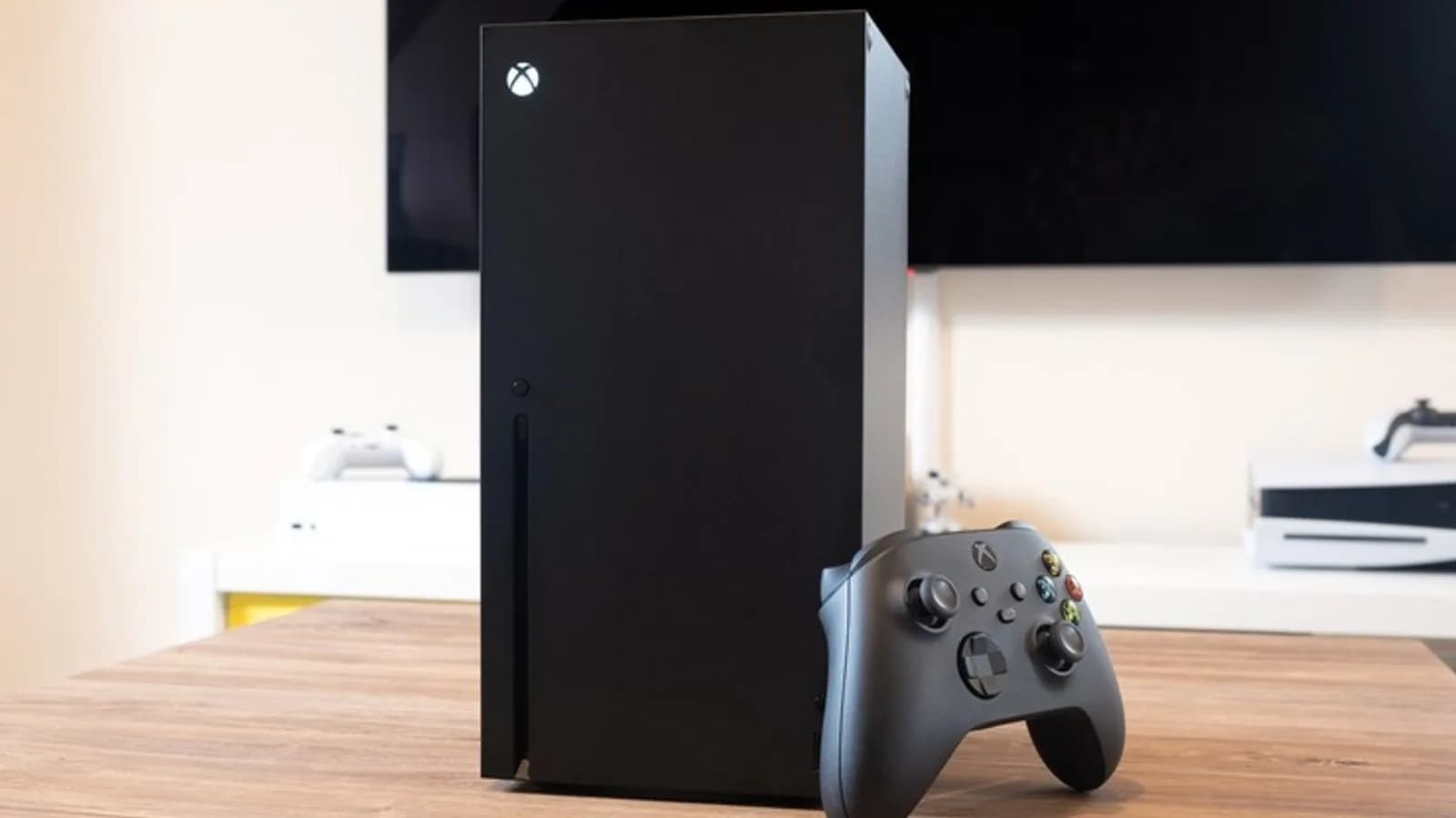

Be the first to comment
Join the argument. No password, just your email or a passkey.