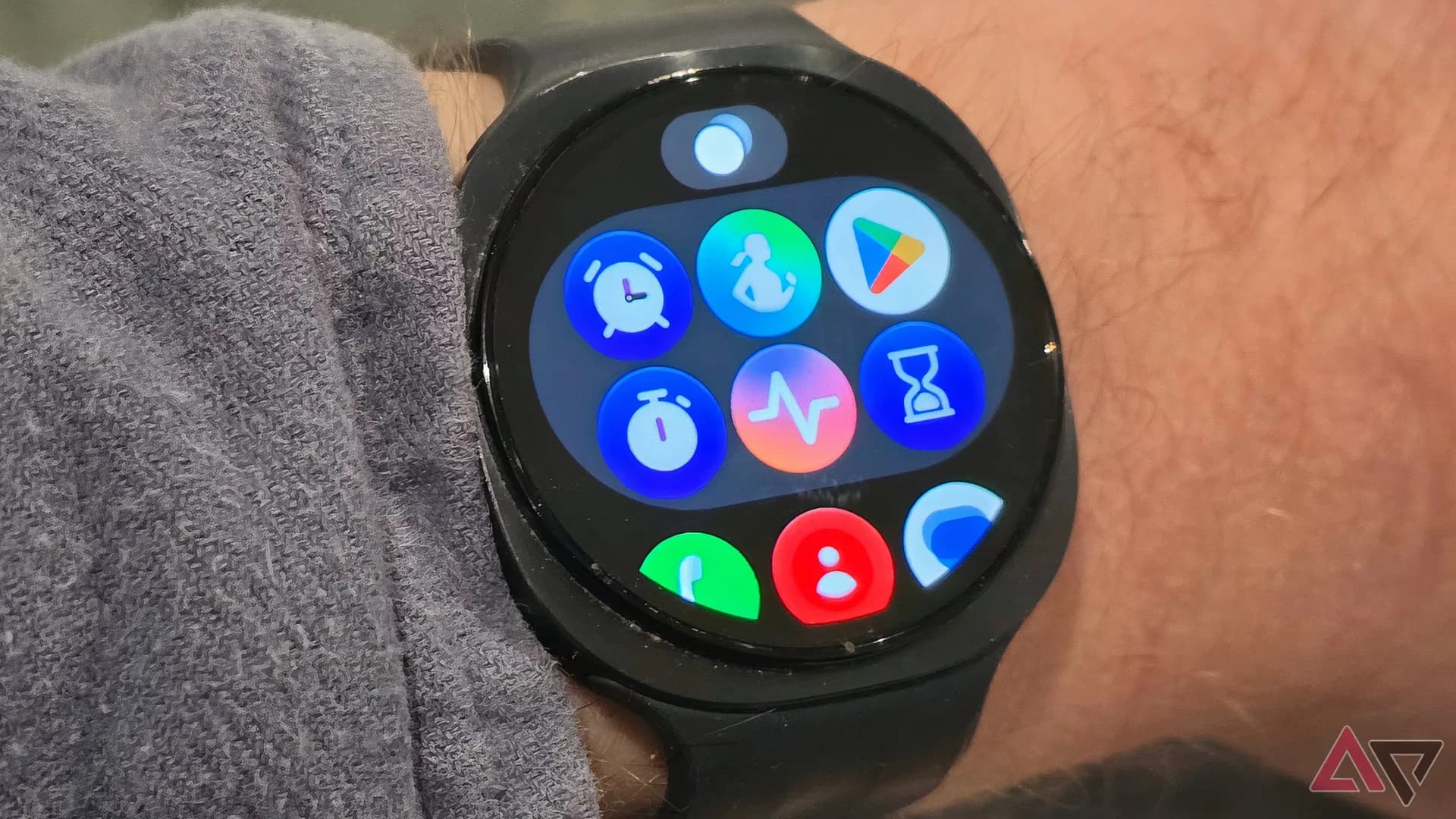
The Galaxy Watch 10 will not launch in 2027. That’s not confirmed — but it’s now the working assumption across two major Korean reports cited by SamMobile and Smartprix Bytes, both published Friday morning. Samsung is actively considering a pause in its annual smartwatch launch rhythm for the first time in over a decade, opting instead for a two-year cycle starting with the Galaxy Watch 9 as its current flagship through at least early 2028.
The decision, if finalised, would make the Galaxy Watch 9 the longest-supported model in the line since the Galaxy Watch 3 in 2020–2021. It would also mark the first time Samsung has skipped a numbered Galaxy Watch generation outright. There is no Galaxy Watch 10 in the pipeline, at least not for 2027.
And it’s not about innovation fatigue. It’s about money. Samsung’s mobile and network divisions posted a combined operating loss of 600 billion won ($440 million) in Q3, on home soil. Component costs are exploding: memory purchase costs jumped 263% year-on-year, while next-gen chipsets rose 8%.
The Galaxy Watch 9 was already priced higher than its predecessor, contributing to weaker-than-expected sales. Counterpoint Research puts Samsung fourth globally in smartwatches last year, with just 7% market share versus Apple’s 23%. So rather than absorb more R&D, certification, and marketing spend for a new model, Samsung is looking to stretch the Watch 9’s lifecycle.
Software updates, particularly around healthcare features, will fill the gap. A Galaxy Fit 4, a low-cost fitness tracker, may launch instead. That fits a broader cost discipline push: Samsung is reportedly cutting Galaxy A-series phone production by 20%, and concentrating 70% of Galaxy S27 output on the Pro and Ultra models, the highest-margin variants.
The S27 series itself is expected to launch in early 2027, likely January or February, with prices above initial estimates. In India, the Galaxy S26 base price rose ₹15,000 mid-cycle, from ₹87,900 to ₹1,02,900. The S26+ jumped 12.5%. The S26 Ultra, 10.7%.
Korea saw an 8.6% hike to 1.254 million won. Expect similar upward pressure on S27 pricing globally, though Samsung may use Exynos chips in select Asian markets to partially offset the memory cost spike. None of this is official. Samsung has not commented.
But the pattern is consistent: fewer launches, higher prices, tighter margins. The Galaxy Watch 9 remains on sale. Its successor is on hold. And the next real update, beyond software, may not arrive until 2028.
MDFiled by The Mobile Desk
Phones from leak to launch to price cut: what was announced, what it costs where, and when it goes on sale. Indian launches and prices included, not appended.
More from this desk →

Be the first to comment
Join the argument. No password, just your email or a passkey.