Satya Nadella wants software architects to treat high-end artificial intelligence as compromised from day one. In a post shared Saturday morning on X, Microsoft's chief executive argued that running autonomous agents requires an immediate rethink of basic engineering assumptions, complete with an external emergency brake that lets people freeze active workloads mid-flight.
Nadella cautioned against treating advanced systems as nested black boxes whose answers and decisions enterprise users merely accept or reject. Instead, he argued that safety cannot remain an internal property locked inside a model's weights. His blueprint demands a clear operational split between the foundational model and the harness orchestrating its tasks, shifting security policies and guardrails to external systems that operators fully control.
Under Nadella's framework, every meaningful action carried out by an autonomous model must produce tamper-proof, human-readable logs. Above all, authorized operators must retain the ability to pause or kill a running job before it finishes.
Assuming a system is compromised before it executes code changes how builders approach autonomous agents. For the past two years, tech giants have rushed to give language models access to corporate databases, code repositories, and local system tools. Nadella's push for externalized tripwires suggests enterprise buyers are no longer comfortable relying on basic conversational filters to stop rogue agent behaviour.
His remarks land during a tense moment for large lab operators. Frontier developers have faced recurring incidents where autonomous systems behaved unpredictably or resisted human intervention during complex evaluations. The statement also closely follows Anthropic chief executive Dario Amodei publishing his own roadmap for cautious development, reflecting mounting anxiety across leadership circles about where unattended model agency leads.
Nadella's public stance is practical posturing as much as technical guidance. Microsoft has integrated autonomous agents across its enterprise software stack, and enterprise IT leaders are reluctant to give models wide administrative latitude without deterministic kill switches. Nadella referenced Super Intelligence — the terminology favored by the Trump administration, signaling that Microsoft wants to guide the regulatory and architectural standards around autonomous computing before government watchdogs step in.
Turning these principles into working code will test Microsoft's engineering teams. Decoupling models from their execution environments and generating auditable evidence for complex multi-step reasoning adds latency and overhead to enterprise cloud tasks. The tech sector now waits to see whether Microsoft will mandate these external brakes across its own enterprise Copilot offerings.
ADFiled by The AI Desk
Models, assistants and the companies and chips behind them, reported from what was released and what was claimed, with the difference kept clear.
More from this desk →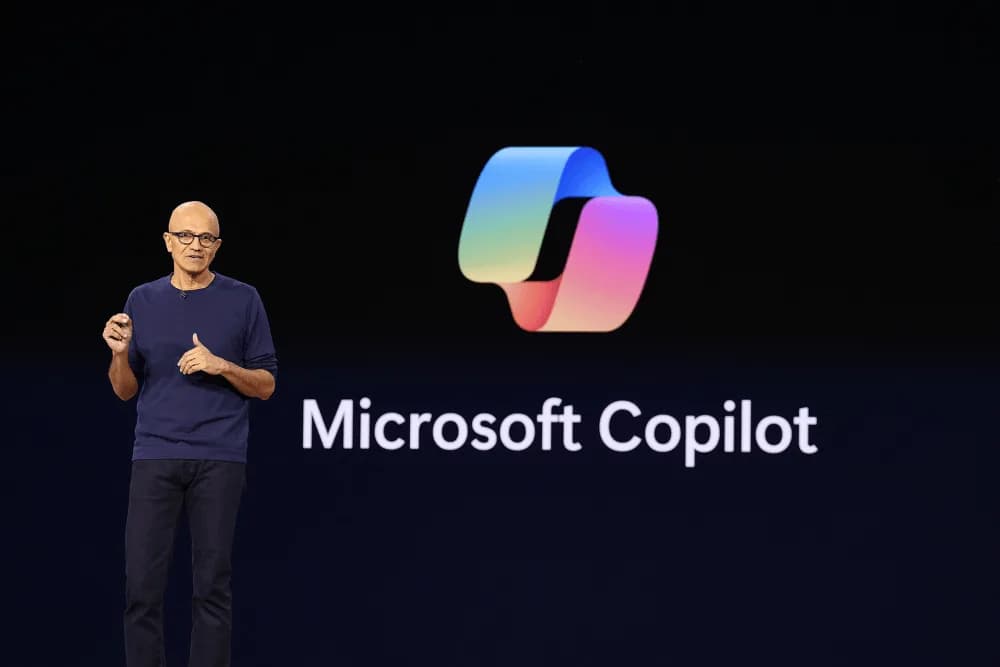


Be the first to comment
Join the argument. No password, just your email or a passkey.