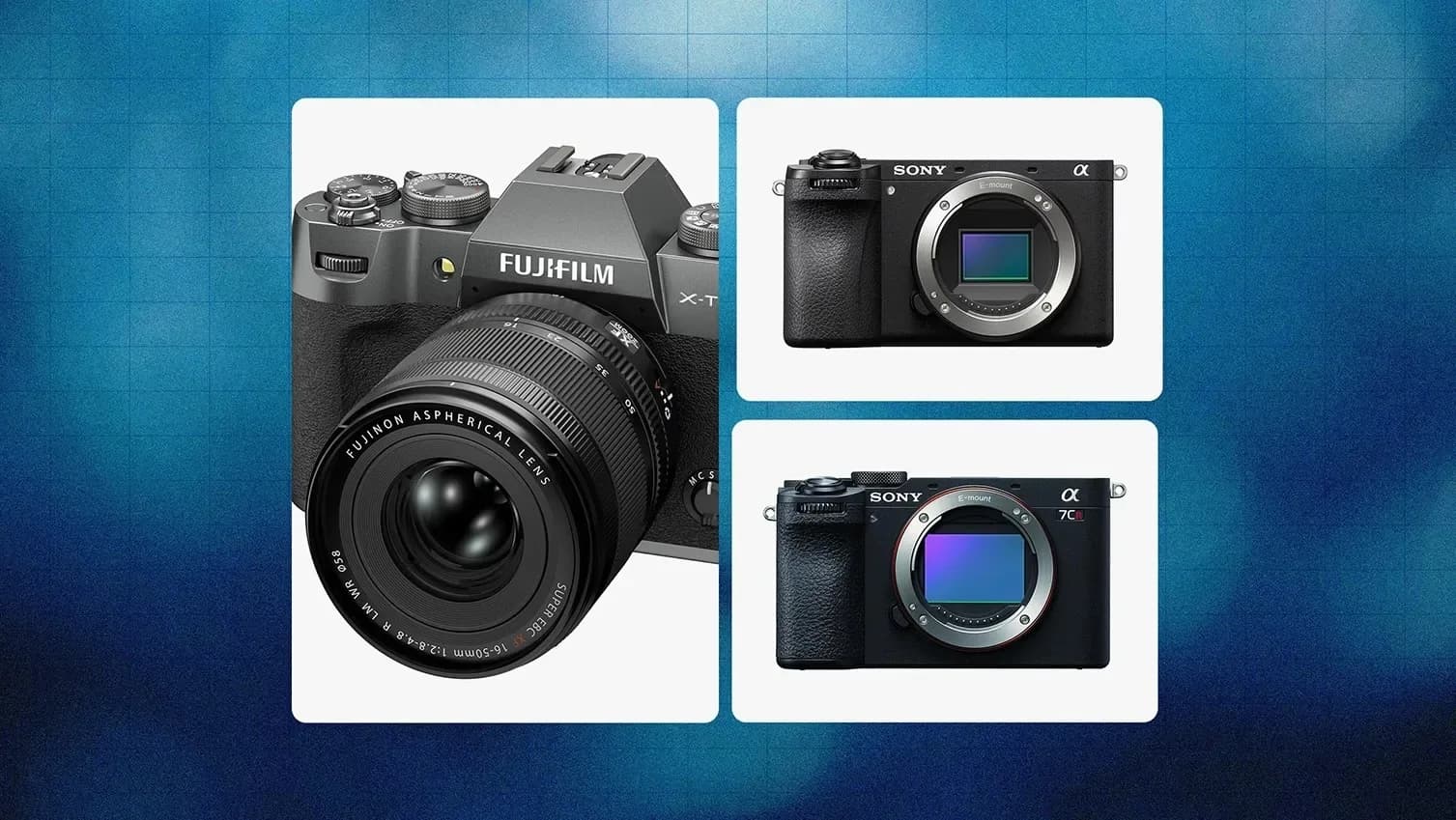
The central tension of travel photography is weight versus image resolution. Sony attempted to settle that debate by fitting a 61-megapixel backside-illuminated sensor into the travel-friendly chassis of the Sony a7CR. The camera sells for $3,398 at US retailers including Amazon and B&H Photo. It targets a distinct kind of traveler: someone visiting a destination specifically to take pictures, rather than just snapping quick memories from a vacation.
Packing that massive full-frame sensor into a travel bag requires notable ergonomic sacrifices. To shave volume off the body, Sony eliminated the autofocus joystick. Shoppers used to nudging focus points with their thumb must tap the screen or turn dials instead. The electronic viewfinder is small and low-resolution, which stands out uncomfortably on a camera priced well above three thousand dollars. Sony also dropped a fully mechanical shutter. While the front control dial improves one-handed operation over older compact bodies, keeping the setup lightweight depends entirely on which lenses go into the pack.
Internal processing hardware avoids those cuts. Sony fitted the a7CR with a dedicated processing unit designed specifically to run machine-learning autofocus routines. That system handles subject recognition and tracking across stills and video, maintaining a steady lock while firing bursts at 8 frames per second with continuous autofocus. For solo creators documenting their movements, an Auto Framing mode uses those same algorithms to punch in on a subject and follow them across the frame, mimicking the movement of an actual camera operator.


Be the first to comment
Join the argument. No password, just your email or a passkey.