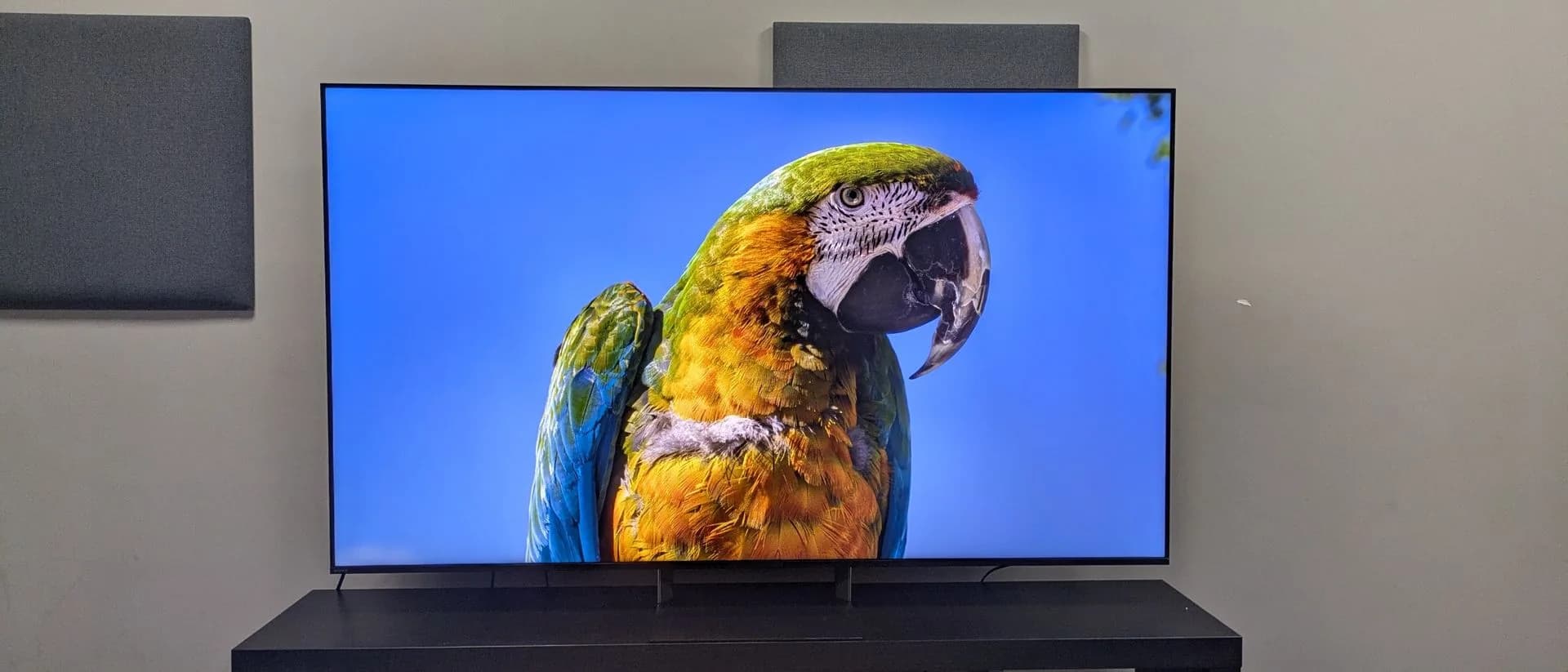
Sony Bravia 9 II is live globally — $3,599.99 for the 65-inch model in the US, ₹3,29,990 in India (as per Sony India’s official pricing page, confirmed by TechRadar India), and £3,499.99 in the UK. It’s Sony’s flagship RGB LED TV for 2026, sitting above the Bravia 7 II, and available in 65, 75, 85 and 115-inch sizes. The 65-inch model launched at $3,599.99 / £3,499.99 / AU$5,995, putting it at the premium end of the market. At that price, it sits around $500 more than rival OLEDs and other RGB TVs, according to TechRadar’s testing. In Australia, the 65-inch model has dropped to AU$4,795. A AU$1,200 cut from launch, but prices remain unchanged in the US and UK as of October 2026. Sony rarely discounts its TVs, so steep price cuts are unlikely. Availability is immediate in all markets where listed. No pre-order lockups or phased rollouts. Retailers like Best Buy, Croma and Reliance Digital are stocking units now. No word yet on whether Sony will bring the True RGB tech down to the Bravia 7 II line in 2027. The Bravia 9 II uses an RGB mini-LED panel, dubbed ‘True RGB LED’ by Sony. With discrete red, green and blue mini-LEDs instead of the white LEDs found in conventional mini-LED panels. That architecture is meant to boost color reproduction and contrast. TechRadar calls it ‘a showcase for what RGB can do’, and says of the few RGB TVs tested so far, this one ‘comes closest to succeeding’ at rivalling OLED. Its picture quality is described as the crowning achievement: vibrant yet accurate colors, fluid motion for sports, and contrast and black-level performance ‘arguably the best I’ve seen from a backlit TV’. Viewing angles could still be better, and some blooming exists, but it’s still ‘an excellent backlit TV’. The matte anti-glare screen makes it ‘perfect for bright-room viewing’, and it handles mirror-like reflections better than the Bravia 7 II. Built-in sound is strong: an 80W system with two tweeters, two full-range speakers, two subwoofers and two beam tweeters. Audio features include Voice Zoom 3, Auto Calibration and Acoustic Multi-Audio+, plus Dolby Atmos and DTS:X support. TechRadar notes the speakers deliver ‘remarkable detail’ and ‘clear speech’, though bass and low-end power fall short of expectations. Meaning cinephiles may still want a soundbar. Gaming is another strength: two fully-specced HDMI 2.1 ports (4K/120Hz, VRR, ALLM), Perfect For PS5 features including Auto HDR Tone Mapping and Auto Genre Picture Mode, but only two of the four HDMI inputs are 2.1-spec. The XR Processor powers AI upscaling (XR Clear Image AI) and motion processing (XR Motion Clarity). Smart features run on Google TV with Gemini. Hands-free voice control, content recommendations, access to Netflix, Prime Video, Disney Plus, and in the UK, BBC iPlayer and ITVX. HDR support includes Dolby Vision and IMAX Enhanced, but not HDR10+. That omission means buyers wanting both formats will need to look at Hisense, TCL or Philips models instead. Measured brightness is exceptional: 4,180 nits and 4,416 nits peak HDR in Cinema and Professional modes respectively, the latter being closest to Filmmaker Mode. Full-screen HDR hits 974 nits. SDR reaches 703 nits in Standard mode and 656 nits in Cinema. Those numbers make it viable for broadcast TV even in sun-drenched rooms.
Sony Bravia 9 II launches globally: True RGB LED, 4,416 nits, ₹3.29 lakh in India
Sony’s new Bravia 9 II uses True RGB LED — not white mini-LEDs — and hits 4,416 nits peak brightness. It’s priced at $3,599.99 (US), ₹3,29,990 (India), £3,499.99 (UK). No HDR10+. Two HDMI 2.1 ports. Ships now.
By Living Room
The Home Tech Desk · (3 hours ago)
Reported from
How this story was made
Written by the Hitechreports desk from the reporting credited above, with facts attributed to their original publishers. We do not test devices ourselves; anything about performance, battery life or cameras comes from the outlets that did. Prices are as reported at the time of writing. Editorial policy · Report an error
Filed by The Home Tech Desk
TVs, home appliances and the smart home: refrigerators, washing machines, air conditioners, purifiers, robot vacuums, the sets on the wall and the platforms that connect them. Launches, prices in the US and India, and what changed.
More from this desk →Read next
More Home Appliances →
9-1-1 Season 10 Live Stream: Where to Watch Online
9-1-1 Season 10 live stream: where to watch — October 17, 2026, at 8 p.m. ET / 7 p.m. CT / 5 p.m. PT on ABC in the US; October 18 at 1 a.m. BST on Disney+ in the UK; November launch expected in Australia on Disney+; October 17 at 8 p.m. ET on GlobalTV and StackTV in Canada.

Sony Adds Mafia The Old Country and Dino Crisis 2 to PlayStation Plus
Sony's PlayStation Plus October game catalog brings Mafia: The Old Country, Horizon Forbidden West, and classic revival Dino Crisis 2, with the main wave arriving on consoles starting October 20.
Sony blocks PS5 jailbreaks from PSN with mandatory firmware 14.10 update
Sony has cut off PlayStation Network access for jailbroken PS5 consoles unless they install firmware update 14.10 — released October 1, 2026.
Be the first to comment
Join the argument. No password, just your email or a passkey.