Sony sits in second place behind Canon in total camera shipments, and by one measure it's already the industry leader: its image sensors power more than half the cameras sold worldwide, according to Digital Camera World. That's a company with enormous reach into nearly every corner of photography, from phone sensors to full-frame mirrorless bodies.
And yet, in a piece published Friday, the outlet's editor, Gavin Stoker, argues that Sony rarely gets the affection that smaller, slower-moving rivals do. His case isn't about sales. It's about feeling.
Sony has the historical claim to back up its dominance. Back in 2012, it launched the fixed-lens Cyber-shot RX1, and a year later it followed up with the Alpha A7 and A7R, the first full-frame mirrorless interchangeable-lens cameras to reach the market. That was 2013. Thirteen years on, Canon and Nikon have both built out comprehensive full-frame mirrorless lineups of their own, so the stretch where Sony felt genuinely ahead of the pack was brief.
Stoker also points back further, to 2006, when Sony bought Konica Minolta's imaging division to fast-track its own Alpha DSLR line rather than build one from the ground up. He suggests that history, bought rather than built, might be part of why the brand still feels like it hasn't fully earned its stripes with longtime photographers, even two decades later.
Then there's design. Sony's bodies lean angular and utilitarian, built by a consumer electronics company that Stoker says prioritizes function over the kind of nostalgic form factor that draws people to an OM System PEN or a Leica rangefinder. He raises, and doesn't fully answer, whether Sony's image output itself reads as more clinical than warm compared with what legacy brands produce.
None of this is new territory for recent Sony releases. The piece singles out the Alpha 7R VI and the upcoming FX5 as competent additions that haven't shifted the brand's reputation. Competent is, in fact, the word that keeps surfacing: impressive specs, consistent image quality, reliable autofocus, all true, and none of it enough on its own to generate the kind of loyalty that turns buyers into evangelists.
Stoker frames it as an open question rather than a verdict. Should Sony lean harder into retro design the way Nikon and Fujifilm have with film-era throwbacks, or keep pushing forward as an electronics-first brand and accept that the love, if it comes, will come some other way. Sony hasn't responded to the critique, and nothing suggests a design pivot is coming. For now the company keeps winning on specs and sensor share while the harder-to-quantify brand affection stays somebody else's to claim.
GDFiled by The Gadgets Desk
Audio, wearables, cameras, tablets, chargers and every other device worth carrying or plugging in.
More from this desk →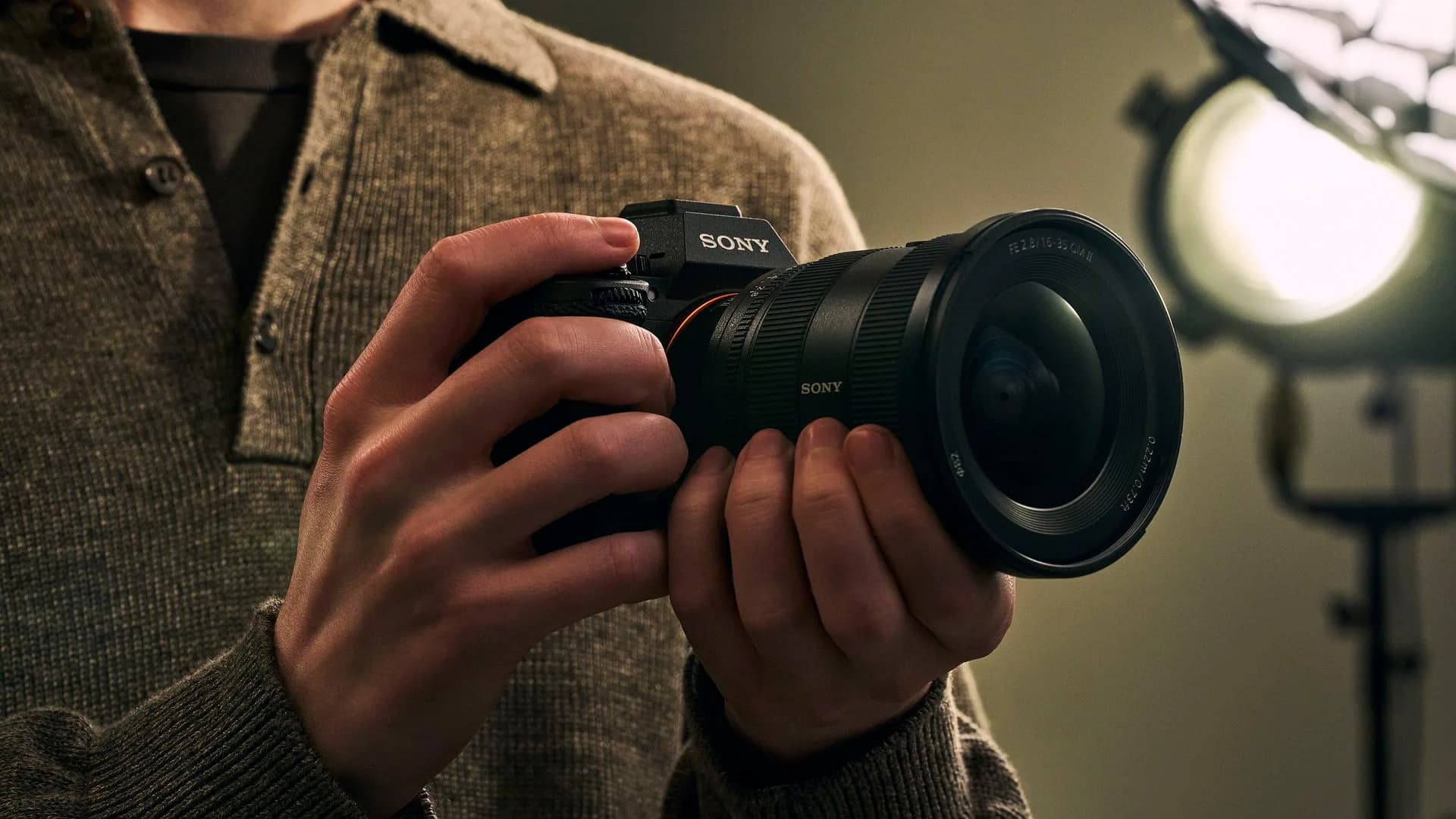
Be the first to comment
Join the argument. No password, just your email or a passkey.