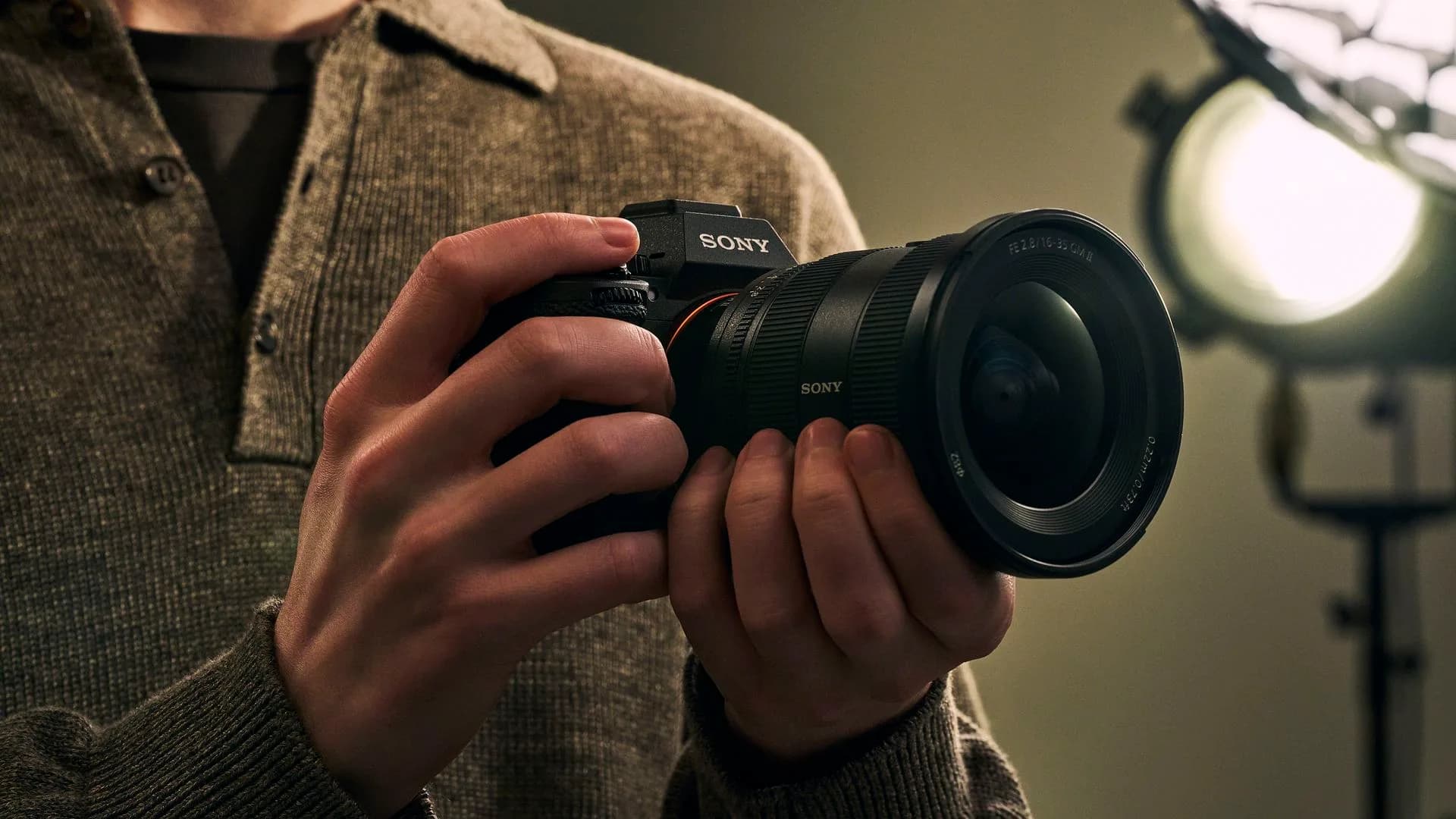
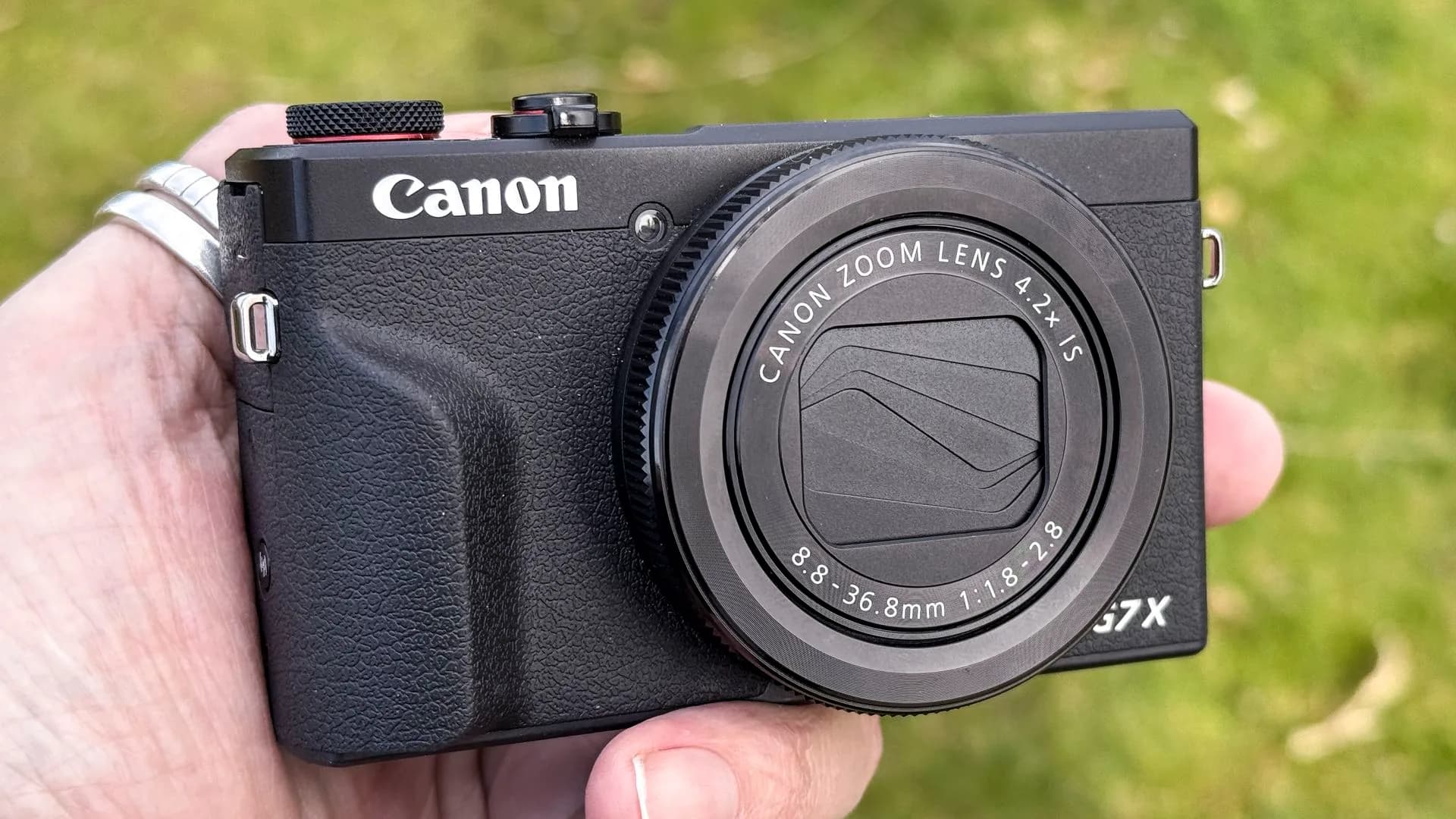
Traditional mirrorless stills cameras are taking a back seat as major manufacturers pour their engineering into compact cinema equipment. Sony has introduced the FX5 to take over from the FX3, while Nikon is expanding its cinema footprint with the ZR and Canon is fielding video-oriented bodies including the EOS C50 and EOS R6 V.
The push marks a clear shift in how camera makers approach hybrid shooters. Stills-first releases have slowed across the board. In their place, camera brands are chasing commercial video demand that stretches from social clips to commercial advertising displays. Nikon cemented that trajectory by buying digital cinema giant RED, and the fruit of that broader philosophy is filtering into its standalone hybrid lineup.
What separates these compact cine bodies from the DSLRs that preceded them is physical shape. Standard mirrorless bodies retain the faux-pentaprism hump of film SLRs, housing an electronic viewfinder that sits permanently atop the frame. Compact cinema bodies ditch the built-in EVF altogether. By flattening the top plate, manufacturers deliver a boxier, lighter chassis that balances far more easily on gimbals and slides directly into rig cages.
Yet manufacturers are not treating these as purely studio tools. Sony's answer for handheld operation on the FX5 is a detachable viewfinder that mounts to a smart hotshoe. The accessory approach means shooters can strip the camera down for stabilization rigs or attach the finder when working at eye level in harsh sunlight.
Nikon has taken a related tack with the ZR. The camera shares its partially-stacked sensor and processing engine with the Z6III, yet abandons the mechanical shutter entirely. Fast sensor readout speeds handle the capture, while a monitor-driven control layout replaces traditional dial clusters. The result is a video-focused box that carries the core still-image engine of a mid-tier mirrorless body into a modular footprint.
For photographers who split their working hours between still capture and client video jobs, the trade-off is becoming increasingly practical. Add-on finders drive up total kit costs, but the modular body style offers a level of mounting flexibility that conventional mirrorless frames cannot match. As Sony, Canon, and Nikon continue expanding these compact video lines, the classic camera silhouette is rapidly giving way to adaptable, modular hardware.
GDFiled by The Gadgets Desk
Audio, wearables, cameras, tablets, chargers and every other device worth carrying or plugging in.
More from this desk →
Be the first to comment
Join the argument. No password, just your email or a passkey.