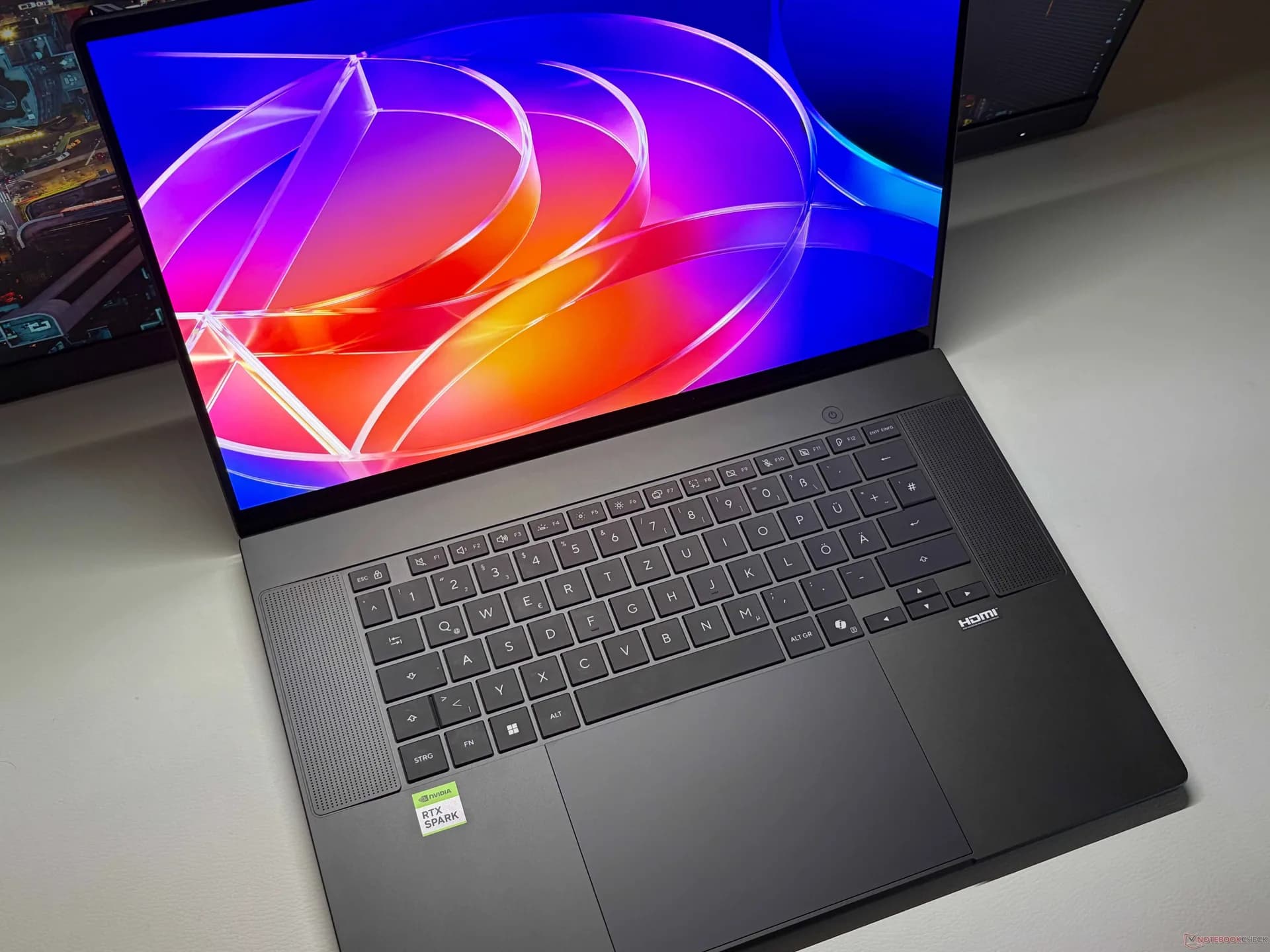
Microsoft's new flagship laptop has a display problem, according to a review from Notebookcheck published Thursday. The Surface Laptop Ultra, built around Nvidia's RTX Spark N1X processor, pairs that chip with a 15-inch Mini-LED panel running at 120 Hz in Microsoft's familiar 3:2 aspect ratio. On paper, the numbers are strong: 1,000 nits of brightness in SDR, 2,000 nits in HDR, and a high native resolution.
In practice, Notebookcheck's reviewer says the screen falls short in two specific ways.
The first is ghosting, visible even at 120 Hz, which the outlet traces to the slow response time of the underlying IPS panel. A Mini-LED display isn't a different screen technology so much as a regular IPS panel paired with a backlight made of many individually controllable lighting zones. That backlight is supposed to be the whole point: it lets dark areas of the screen dim or switch off for deeper blacks, a trick called local dimming.
That's the second problem. Notebookcheck says it could not find any way to turn local dimming on in the Surface Laptop Ultra. Without it, the panel behaves like an ordinary IPS screen, with the higher black levels that come with that, and a maximum contrast ratio well below what Mini-LED hardware is capable of. Blacks end up looking gray rather than black, the review says, even though the backlight itself is bright enough to produce punchy HDR highlights.
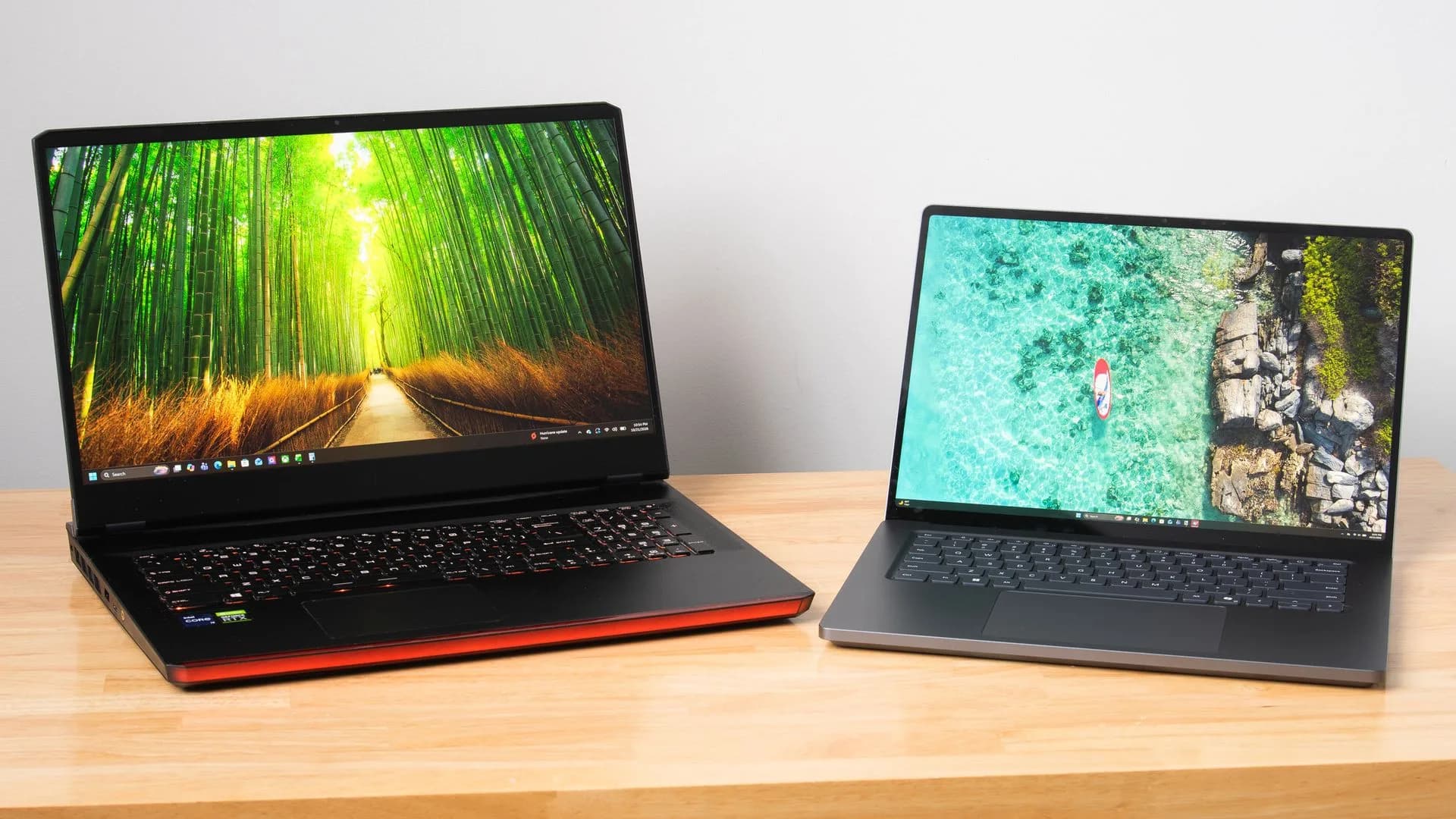
The comparison points Notebookcheck reaches for are pointed. The Asus ProArt P16 uses a 4K tandem OLED panel that the outlet calls excellent, and the Apple MacBook Pro 16 ships its own Mini-LED screen with working local dimming. Against either, the review argues, the Surface Laptop Ultra's subjective image quality lags well behind what its spec sheet promises.
Notebookcheck frames the response-time issue as effectively unfixable, since it's a hardware limitation of the IPS panel itself. The missing local dimming is a different story. The outlet says it's in contact with Microsoft about the issue and holds out hope a software update could switch the feature on, which would at least address the contrast and black-level complaints even if the ghosting remains.
Microsoft has priced the Surface Laptop Ultra as a premium machine, and the RTX Spark N1X chip inside it has already drawn attention of its own, including a resolution fix Microsoft pushed for gaming on the device. A display that can't match its own spec sheet is a tougher sell at that price, and buyers weighing it against the ProArt P16 or a MacBook Pro 16 now have a concrete reason to look twice. Whether Microsoft ships a fix, and how soon, is the next thing worth watching.
CDFiled by The Computing Desk
Laptops, desktops, processors, graphics cards and the operating systems that run on them.
More from this desk →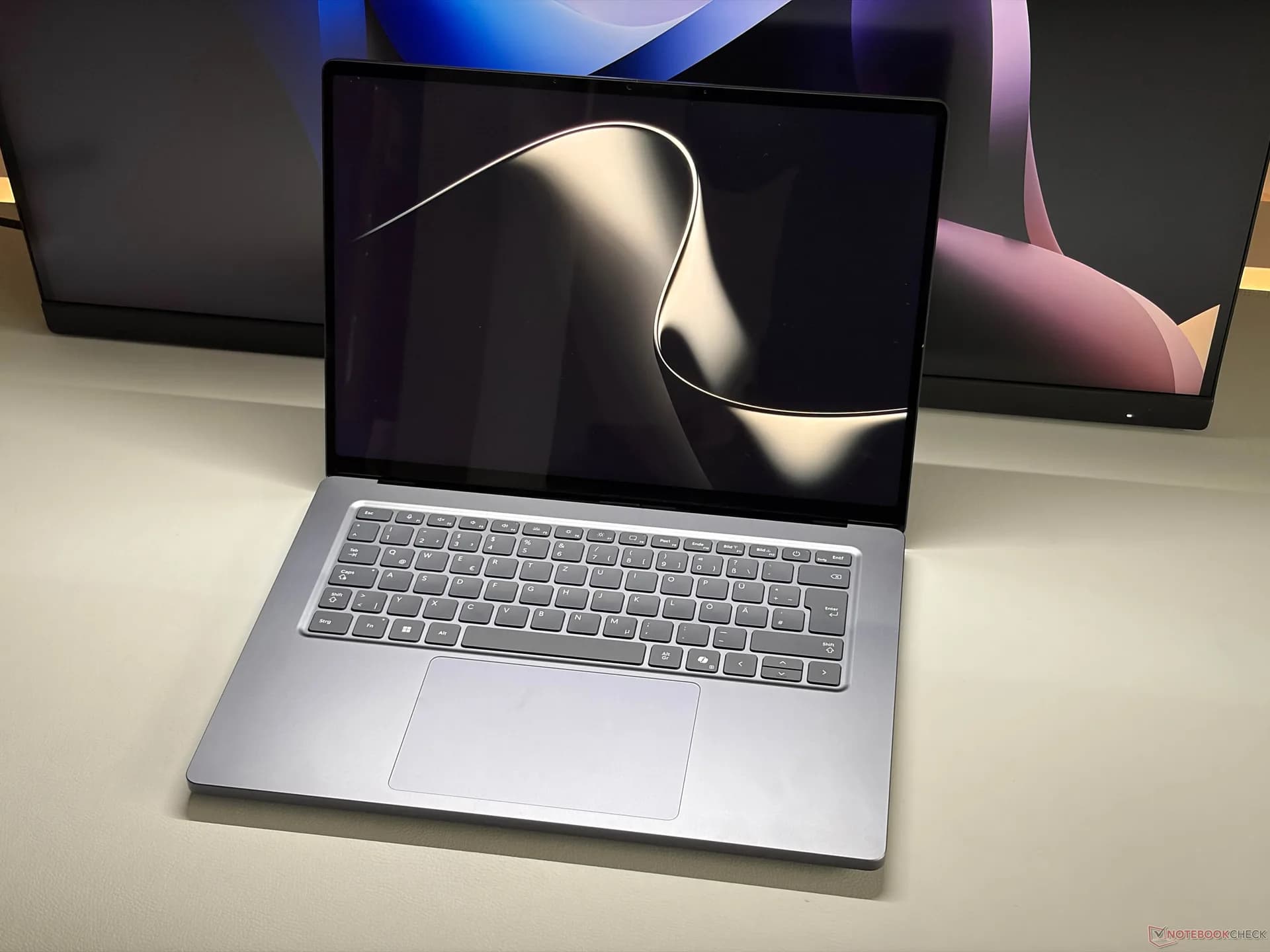
Be the first to comment
Join the argument. No password, just your email or a passkey.