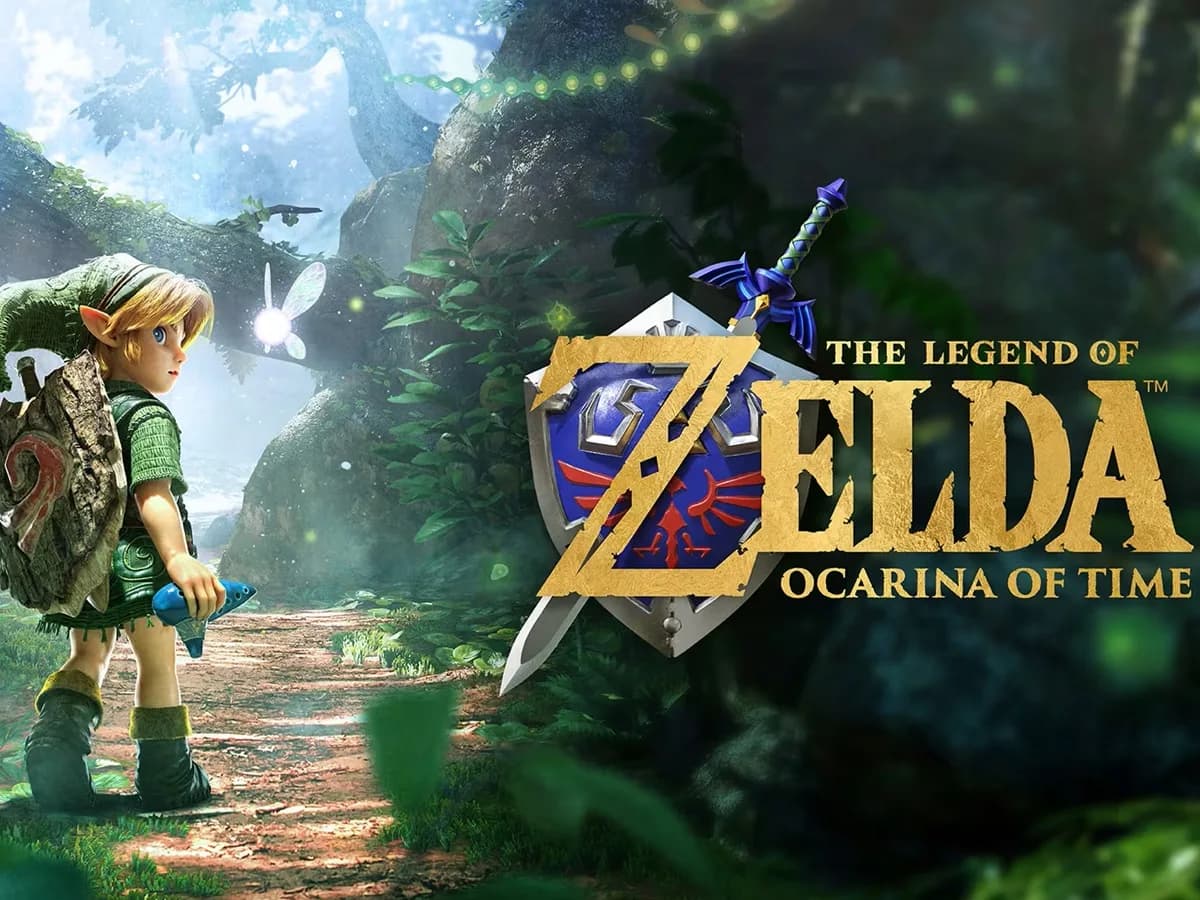
The Legend of Zelda: Ocarina of Time remake launches November 5, 2026 — exclusively on Nintendo Switch 2. No PC, no mobile, no cloud. Just Switch 2. $59.99 digital. $69.99 physical. That’s the price, that’s the platform, that’s the date. Confirmed in the Zelda 40th Anniversary Direct, not teased, not leaked, not speculated. Nintendo said it. Done. The game runs at 1080p and 60 fps docked, per Digital Foundry’s analysis of September footage, and no, it doesn’t use Nvidia DLSS or any third-party upscaler. Nintendo built its own pipeline. Link now jumps on command instead of auto-leaping at ledges. The camera is fully free in Hyrule Castle Town. No more fixed angles. Time passes in real time: walk into town at noon, linger, and watch the sky darken. Loading screens remain between major zones. Producer Eiji Aonuma called that a deliberate choice, to keep the rhythm of the original intact. Every major cutscene is fully voiced. Zelda. Saria. Darunia. Ruto. Ganondorf. Link stays silent. Voice cast unannounced. There’s a new Hall of Fallen Foes. A museum room where statues of defeated enemies unlock lore and replayable boss fights, with best-time tracking. And yes: the Switch 2’s built-in microphone lets you hum or blow into the Joy-Con to play Ocarina melodies. Nintendo will also sell a physical replica Ocarina separately. The Zelda Notes service in the Nintendo Switch app adds a virtual Ocarina, daily quizzes (2,000+ questions), and play data syncing. Download size is listed at 27 GB, though Nintendo says that may change before launch. The Legend of Zelda 40th Anniversary Edition Switch 2 console drops a week earlier: October 29. The game is sold separately. No bundle. No pre-order bonus. Just the hardware, then the software. This isn’t a remaster. It’s a ground-up rebuild. The first official Ocarina of Time remake since the 2011 3DS version. And it arrives just as Nintendo’s next-gen console begins its rollout. Not a test. Not a stopgap. The flagship title for Switch 2’s launch window.
The Legend of Zelda: Ocarina of Time remake release date, price, and Switch 2 details
$59.99. November 5. Switch 2 only. No ports. No delays. Nintendo’s full rebuild of Ocarina of Time is shipping — and it’s the anchor title for the console’s launch.
By Player Two
The Games Desk · (2 hours ago)
Reported from
How this story was made
Written by the Hitechreports desk from the reporting credited above, with facts attributed to their original publishers. We do not test devices ourselves; anything about performance, battery life or cameras comes from the outlets that did. Prices are as reported at the time of writing. Editorial policy · Report an error
Filed by The Games Desk
Consoles, handhelds, PC gaming and the platforms and hardware behind them.
More from this desk →Read next
More Gaming →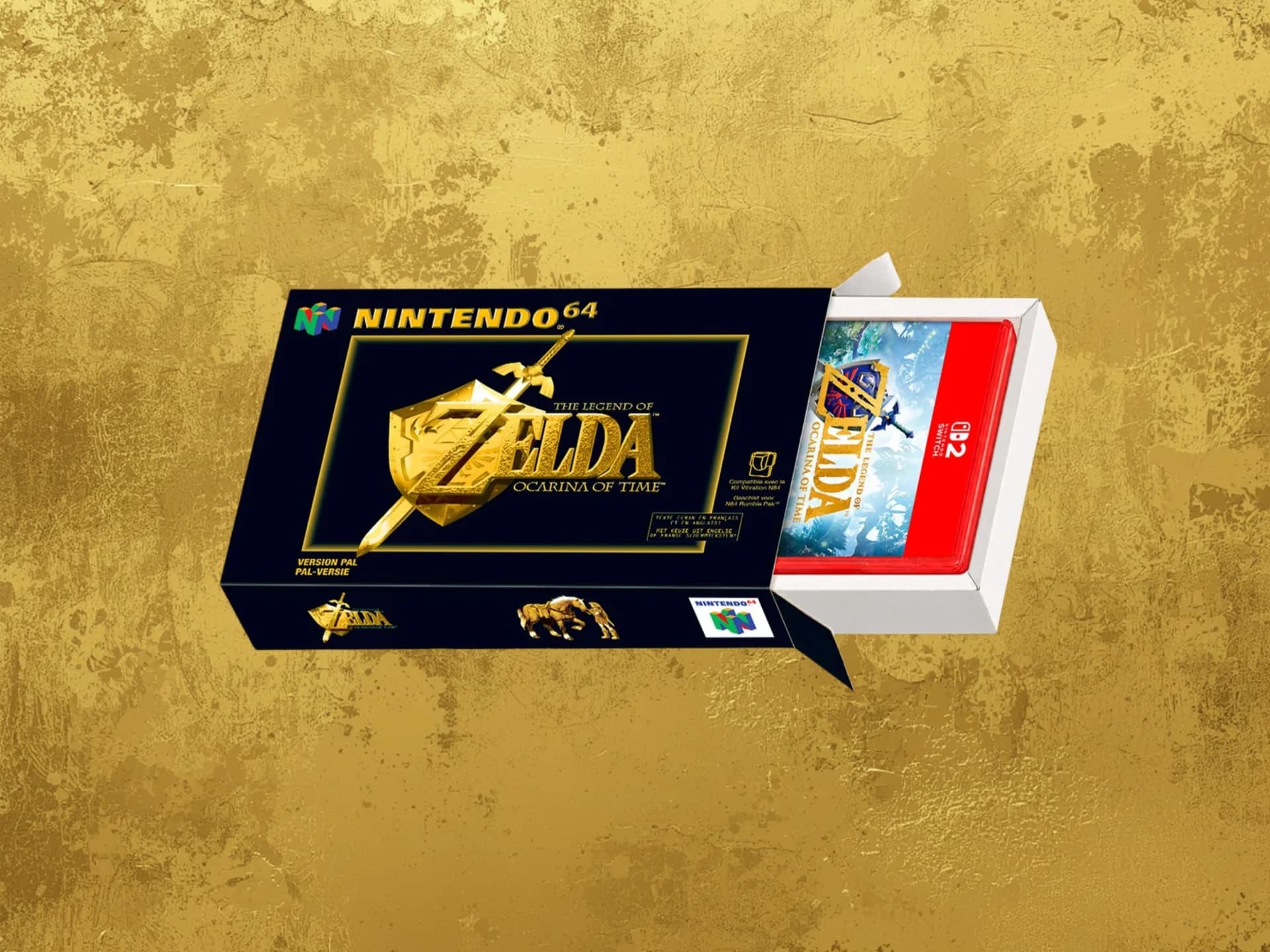
Zelda Ocarina of Time Remake Pre-Orders Are a Geography Quiz
The Ocarina of Time remake for Switch 2 launches November 21. Pre-order bonuses are split by country — and none include everything.
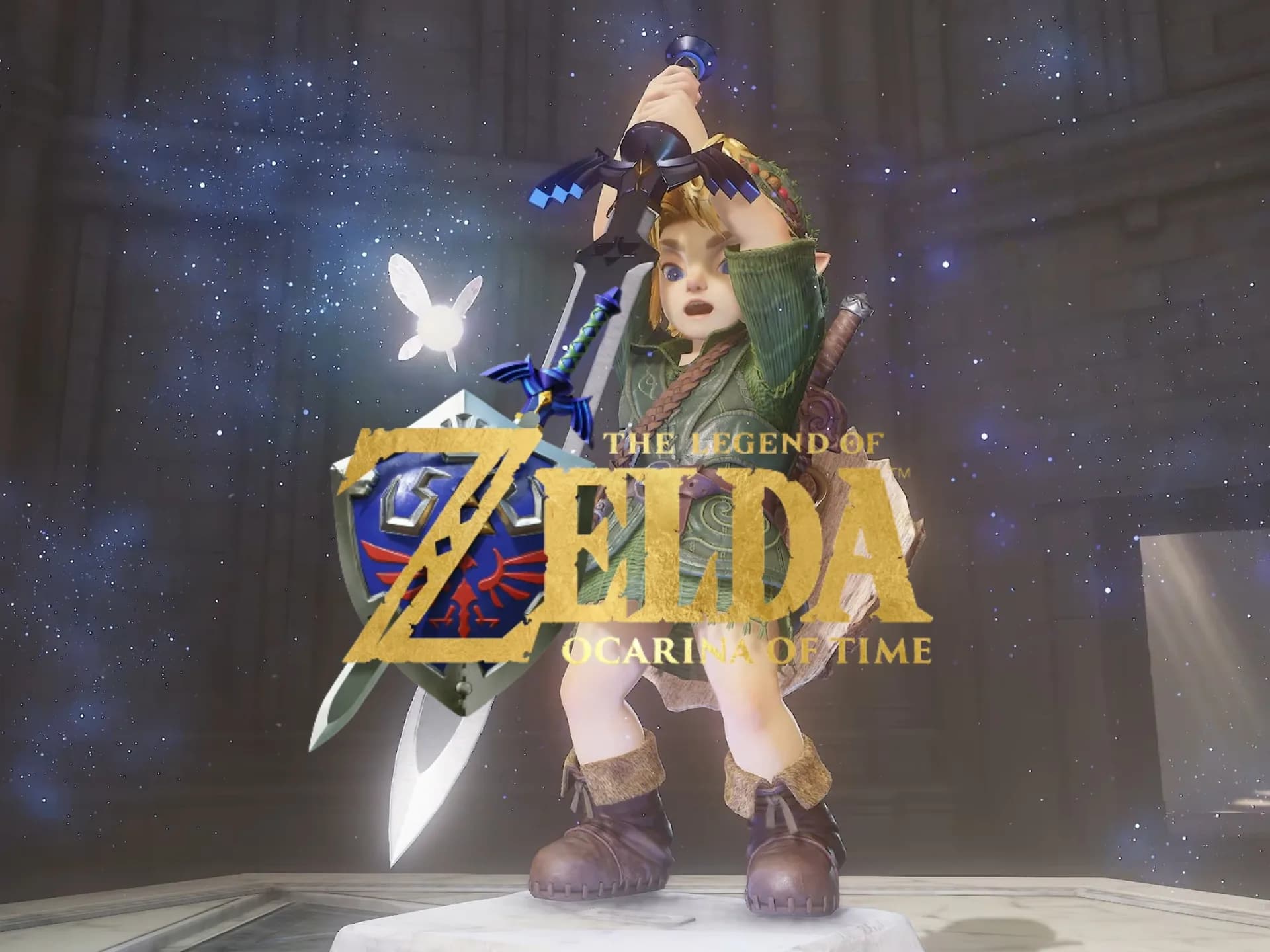
Zelda Ocarina of Time Previews Rumored Ahead of Switch 2 Launch
Media hands-on impressions for the Switch 2 remake of The Legend of Zelda: Ocarina of Time could arrive this week ahead of its November 5 launch.
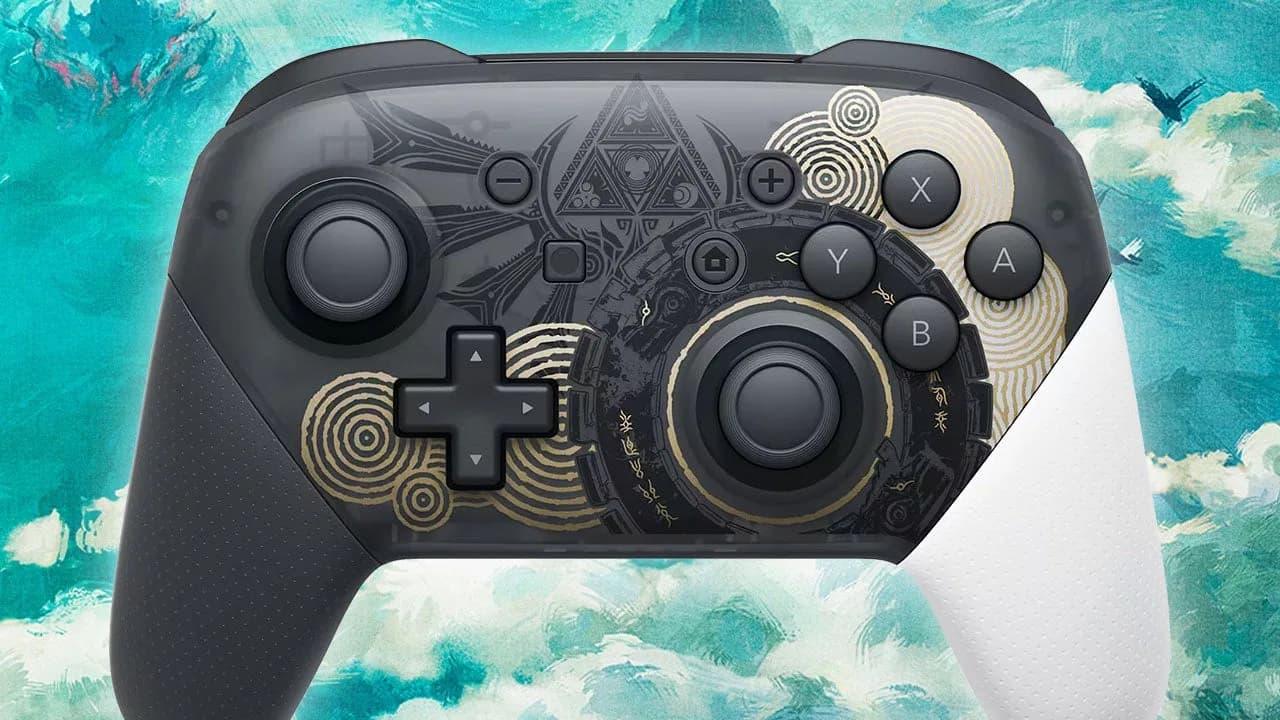
Zelda Switch Pro Controller $69.99 Today Only
The Legend of Zelda: Tears of the Kingdom Edition Nintendo Switch Pro controller is $69.99 at Woot — today only. It’s compatible with the Switch 2, but lacks rear paddles, GameChat, a headphone jack, HD Rumble 2, and wake-on-press.
Be the first to comment
Join the argument. No password, just your email or a passkey.