Thermaltake's CAPO X is built around an odd premise: two separate PCs, one enclosure. The full tower case stacks two independent chambers, each with room for its own motherboard, power supply and storage, and hides the PSU out of the way rather than mounting it behind a shroud at the bottom.
A review published in Japanese and relayed by TechRadar put that layout to the test by building two very different machines inside it. The upper chamber got an AMD Ryzen 7 9800X3D paired with a Radeon RX 9070 XT. The lower chamber got an Intel Core Ultra 7 265K paired with a GeForce RTX 5070 Ti.
How hot each system ran alone
Running solo, both configurations held up fine under sustained load, according to the review, which used Cinebench 2026 to stress the processors and 3DMark's Steel Nomad Stress Test to push the graphics cards. The upper AMD system's CPU and GPU both settled around 60°C. In the lower chamber, the RTX 5070 Ti also landed near 60°C, while the Core Ultra 7 265K ran cooler, around 50°C. Temperatures climbed briefly as each test began, then leveled off without much drift.
Running both at once changes the picture
The numbers moved once both systems ran together. The review found the upper AMD build's temperatures rose by roughly 5°C compared with running it on its own, and traced that jump to heat from the lower Intel system bleeding upward and disturbing airflow through the top chamber. Warmer air coming out of the upper rear fan backed up that explanation, though the review stopped short of claiming every build in a CAPO X would see the same bump. A faster rear exhaust fan, it suggested, could help clear that trapped heat.
None of this amounted to a case for alarm. The review's conclusion was that stacking two systems doesn't automatically cook either one under the conditions it tested. But it does mean builders can't treat the two chambers as fully separate environments. Fan placement, speed and the direction each system pulls and pushes air all affect the other half of the case, not just their own.
A case for people who already know what they're doing
The build itself takes longer than a standard single-system tower, for obvious reasons: two motherboards, two power supplies, two sets of storage, and twice the cabling to route. The review also flagged a missing fan hub as an annoyance, since coordinating fans across both chambers without one means either running cables directly to the motherboards or buying a separate fan controller.
Thermaltake hasn't been covered here on pricing or availability for the CAPO X, and neither source gives a release window or a retail price for the US or Indian markets. For now, what's confirmed is narrower: the dual-PC layout works as designed, cooling-wise, with the caveat that running both machines at once asks more of the airflow than running either alone.
CDFiled by The Computing Desk
Laptops, desktops, processors, graphics cards and the operating systems that run on them.
More from this desk →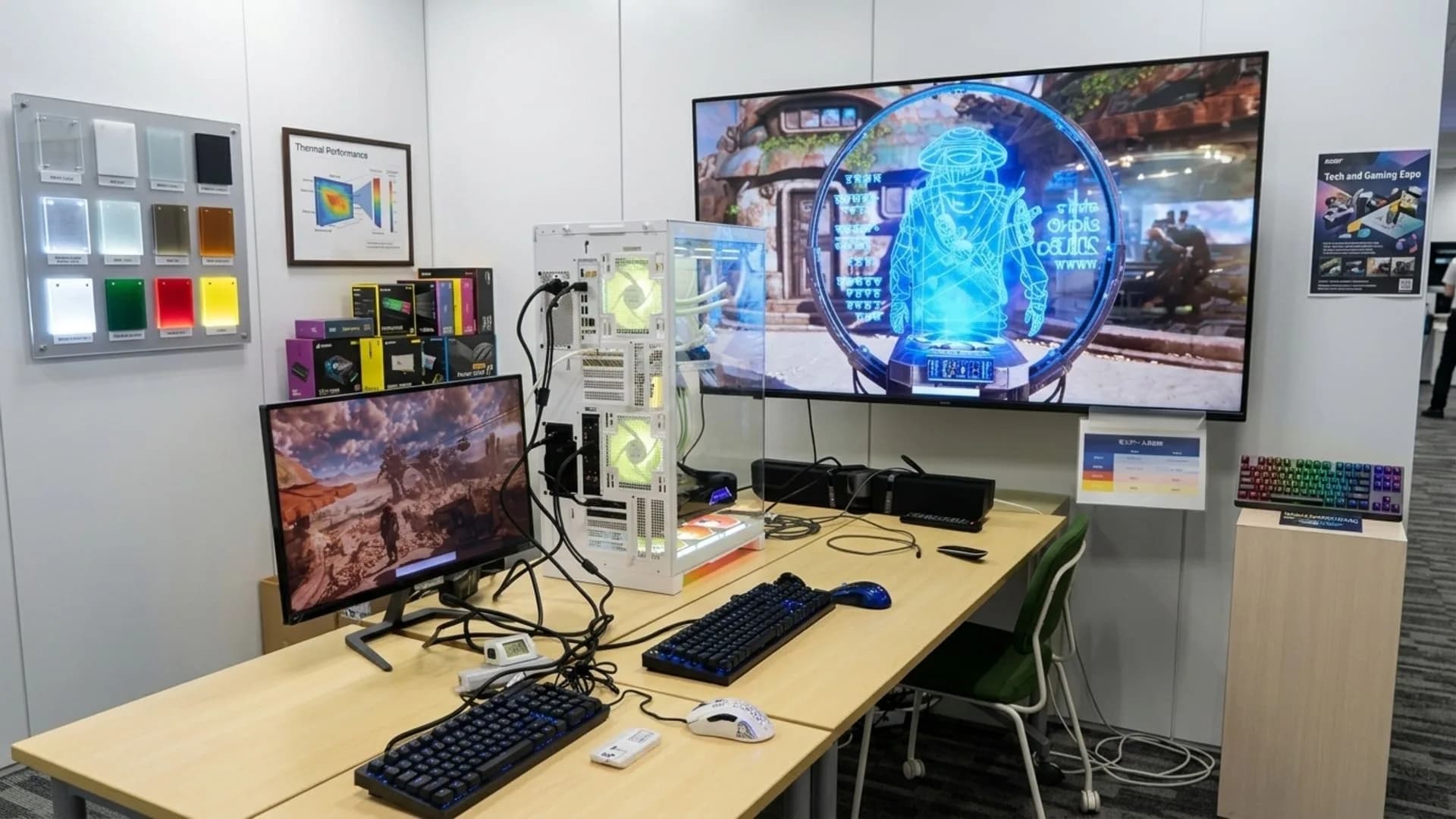

Be the first to comment
Join the argument. No password, just your email or a passkey.