Ukrainian attack drones took out two of five server facilities run by Russian tech giant Yandex over two consecutive days. The strikes, which hit sites in the Sasovo and Kaluga regions on October 8 and October 9, took offline the critical infrastructure behind the country's dominant search engine and its generative artificial intelligence tools.
Ukrainian President Volodymyr Zelenskyy confirmed the operation in a post on X, calling the action a direct, symmetrical response to Moscow's drone campaign against Ukrainian server hubs that had degraded mobile networks across Ukraine since late September.
Yandex confirmed no staff were injured in the strikes, though it acknowledged broad disruptions across its network. The fallout went well beyond search queries. Independent outlet Meduza and Reuters reported outages across major Russian digital platforms that rely on the company's servers, including state railway booking services, digital lender T-Bank, video streamer Ivi, a major domestic dating app, and real estate portals.
Supercomputers Damaged
The physical toll zeroes in on the hardware that trains Russian AI software. Ukrainian manufacturer Firepoint said its FP-1 one-way attack drones hit the Kaluga site, which serves as the tech firm's biggest physical computing hub. The earlier attack on Sasovo struck a compound holding two of the three supercomputers responsible for training the company's flagship YandexGPT model.
Knocking out two regional facilities leaves the platform relying on only three surviving installations to shoulder regular traffic alongside massive model weights. That creates an immediate processing bottleneck for both commercial consumers and enterprise software customers.
Digital Infrastructure Under Fire
Data centers have evolved into regular targets in modern conflict. The strikes follow an incident in February where Iranian drones attacked several Amazon Web Services data hubs across Bahrain and the United Arab Emirates following joint US and Israeli military operations.
Facing shortages of interceptor munitions to defend against incoming Russian cruise missiles and drones, Ukraine has increasingly deployed medium- and long-range unmanned aircraft against infrastructure deep within Russian borders. The military had previously prioritized oil refineries, naval routes, and logistical facilities for Russian e-commerce operators Wildberries and Ozon.
Now, server rooms and supercomputer clusters are on the target sheet. With key training hardware in Sasovo damaged and central operations in Kaluga interrupted, Russian engineers are left racing to reroute remaining online workloads through an increasingly strained domestic grid.
CDFiled by The Computing Desk
Laptops, desktops, processors, graphics cards and the operating systems that run on them.
More from this desk →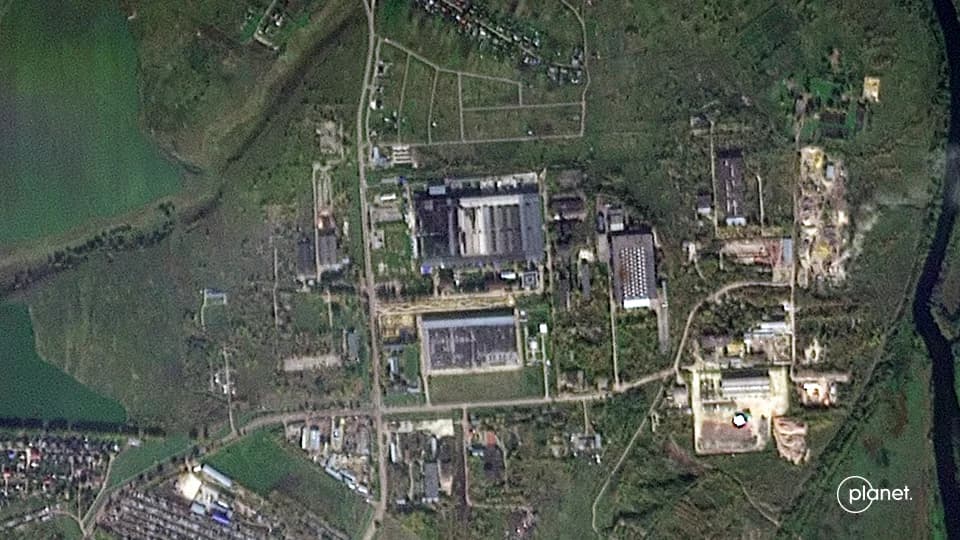



Be the first to comment
Join the argument. No password, just your email or a passkey.