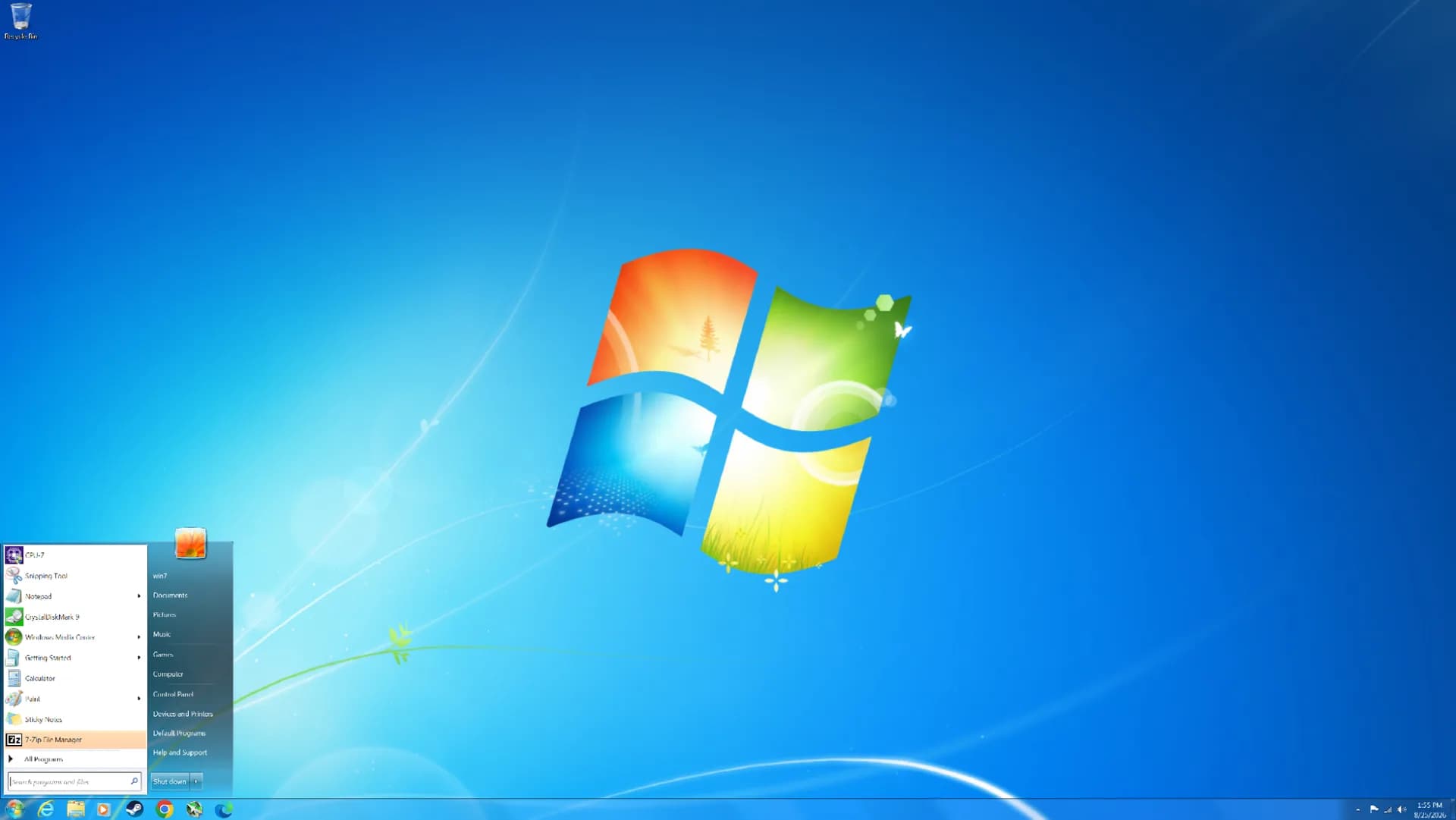
Windows 7 still boots on modern hardware — and in some games, it runs smoother than Windows 11. Tom’s Hardware installed the 2009 OS on an AMD AM5 system with an RDNA 2 GPU, then benchmarked ten titles across DirectX 9 and 11. The result isn’t nostalgia: it’s measurable frame-time consistency where Windows 7 wins, especially in CPU-bound moments. Metro 2033 Redux and Batman: Arkham Origins both showed stronger 1% lows on Windows 7, meaning fewer stutters during complex scenes. Even though Windows 11 delivered higher average FPS in most cases. That gap widened at 1080p, narrowed at 4K, and flipped entirely for DirectX 9 games, where Windows 7 runs natively while Windows 11 relies on the D3D9On12 translation layer. But getting there is hard. No native NVMe or USB 3.0 support means drivers must be slipstreamed into the ISO. No official AMD AM5 chipset drivers exist for Windows 7. Secure Boot had to be disabled. CSM had to be enabled, and only because the test motherboard still supports legacy boot. Resizable BAR? Not available. VBS and HVCI were turned off on Windows 11 for fairness, but the comparison remains asymmetrical: one OS was built for today’s silicon. The other wasn’t. Still, the data holds. Windows 7’s lighter kernel overhead delivers tighter frame pacing where the CPU bottlenecks. A real-world advantage for competitive or rhythm-sensitive titles. It doesn’t mean Windows 7 is viable for daily use. No security updates since January 2020. No support for modern peripherals, TPM 2.0, or WSL2. But for a narrow slice of gaming, especially older or engine-limited titles. The 17-year-old OS hasn’t been fully outrun. Windows 11 ISO downloads remain the default for new installs. Windows 7 ISOs are still circulating, unofficially, among modders and retro-gaming communities, not as relics, but as tools.
Windows 7 vs Windows 11: older OS wins frame consistency in key games
Tom’s Hardware tested Windows 7 on modern hardware — and found it outperforms Windows 11 in frame consistency for some games.
By Clock Speed
The Computing Desk · (3 hours ago)
Reported from
How this story was made
Written by the Hitechreports desk from the reporting credited above, with facts attributed to their original publishers. We do not test devices ourselves; anything about performance, battery life or cameras comes from the outlets that did. Prices are as reported at the time of writing. Editorial policy · Report an error
Filed by The Computing Desk
Laptops, desktops, processors, graphics cards and the operating systems that run on them.
More from this desk →Read next
More Laptops & PCs →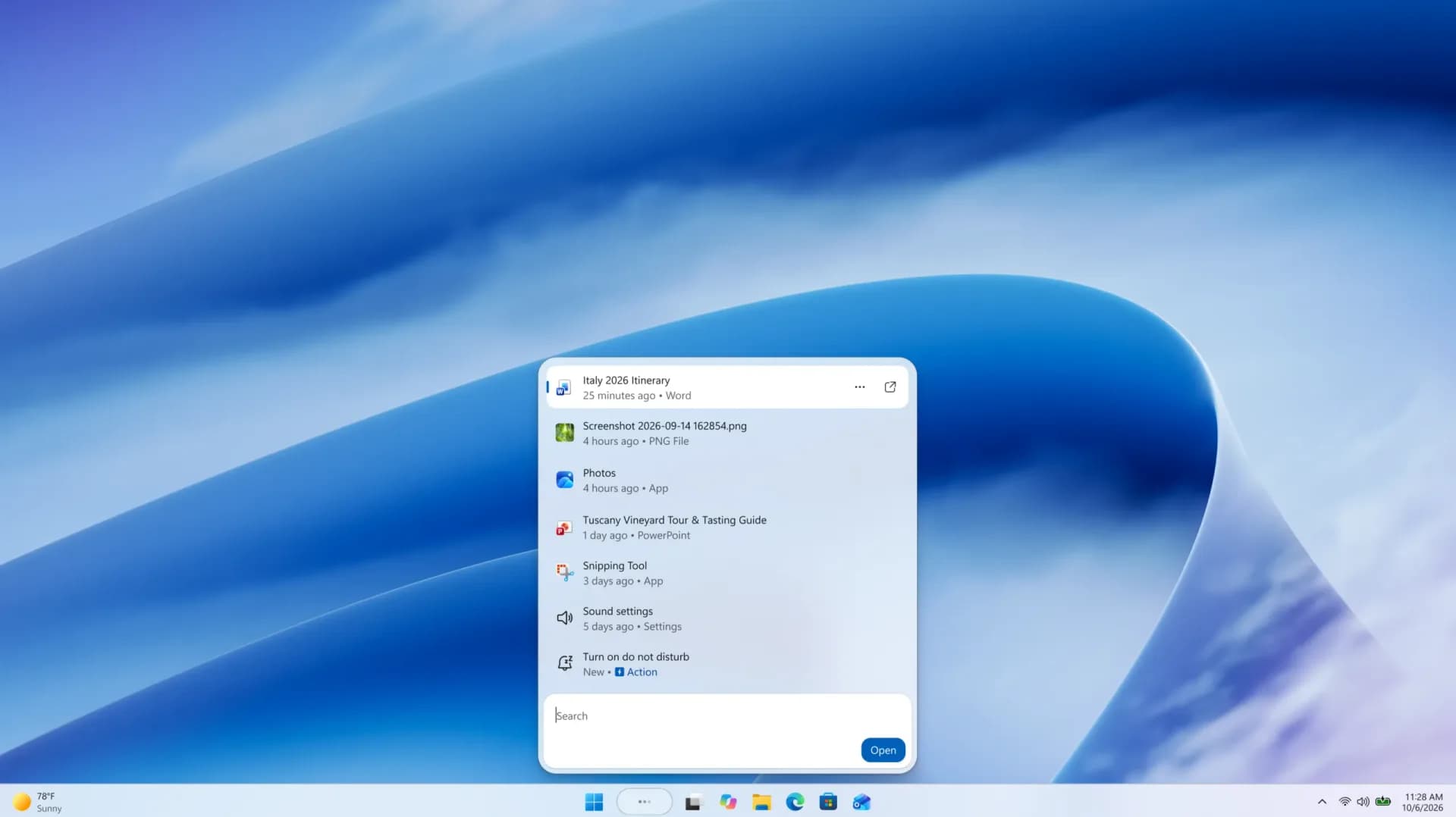
Windows 11 Pro gets a proper search: faster, inline, and ready to act
Microsoft has quietly rolled out a redesigned Windows Search for Windows 11 — not as a standalone app, but as an integrated system-level overhaul now in active testing with Windows Insiders.
macOS 27 adds remote AppleCare log collection for IT teams
macOS 27 introduces remote AppleCare log collection — a quiet but consequential change for enterprise IT teams managing Apple devices globally.
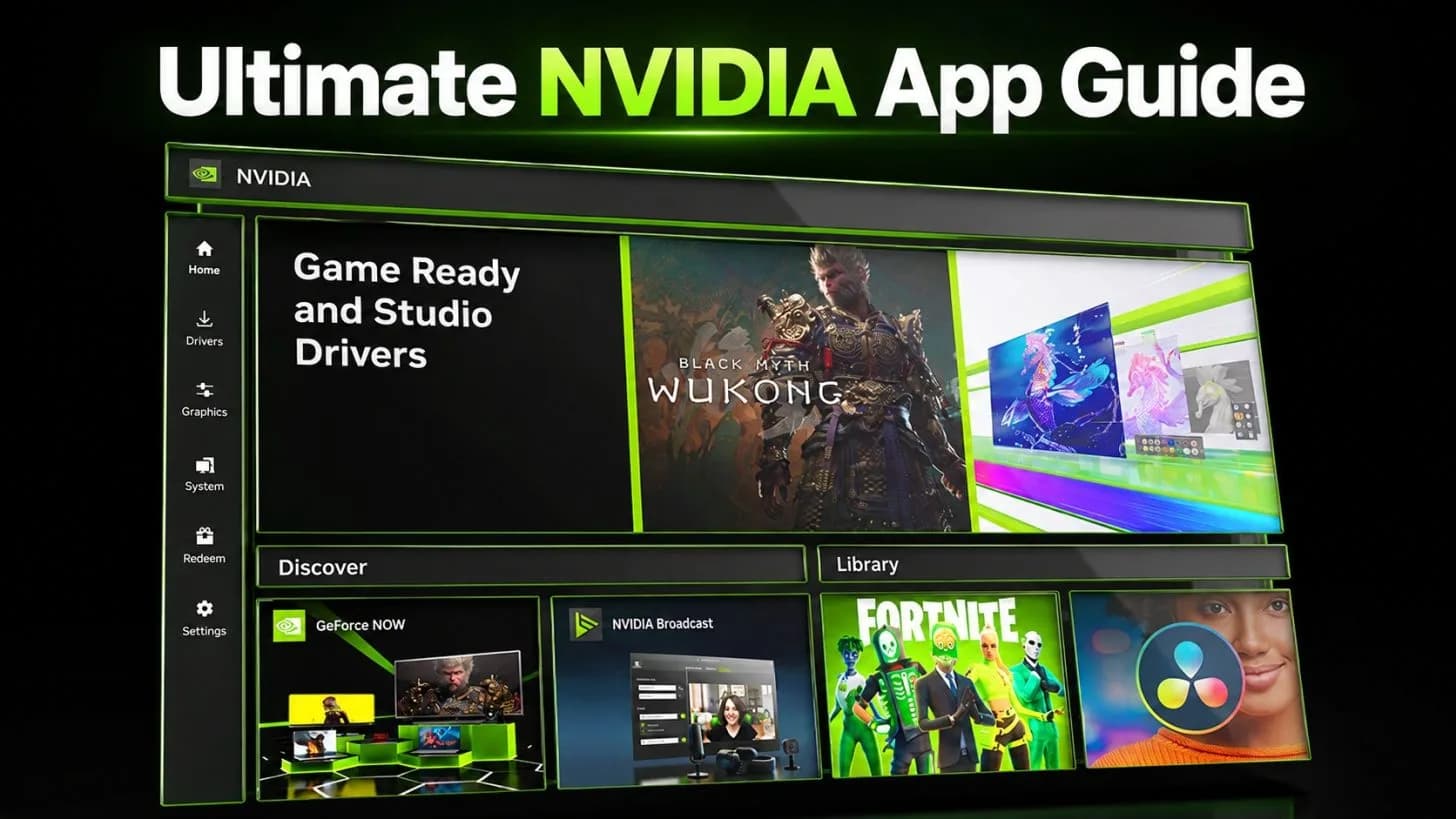
Nvidia App Retires Classic Control Panel Across Consumer GeForce Drivers
Nvidia has completed its phaseout of the legacy Control Panel for GeForce systems, folding graphics overrides, driver rollbacks, and DLSS tuning directly into the standalone Nvidia App.
Be the first to comment
Join the argument. No password, just your email or a passkey.