Xiaomi wants its phones to play nice with Apple hardware. With the release of HyperOS 4, the Chinese manufacturer is bridging the traditional divide between its own operating software and iOS, letting owners transfer data, mirror incoming alerts, and view photo galleries across both platforms.
The cross-platform toolkit allows an iPhone and a Xiaomi handset to swap documents, web links, contacts, and images without relying on generic cloud drives or third-party transfer web apps. Cloud photo storage gets integrated across both platforms as well, meaning someone can open and browse their synced cloud albums on an Apple phone just as they would on native HyperOS hardware.
Beyond moving static files back and forth, the software handles active communications. HyperOS 4 introduces two-way synchronization for incoming alerts, letting owners check live notifications and reply to instant messages on either device. If a chat pings while you are using an iPhone, you can respond immediately without fishing the other handset out of a bag or breaking focus.
The ecosystem bridge extends beyond phones to Apple's larger screens. Through a utility called the Mi Connect Desktop application, Mac and iPad owners can project and control their Xiaomi smartphone directly from iPadOS or macOS. That gives users full access to their mobile applications and phone interface on a larger display without requiring a Xiaomi tablet or a Windows computer on the desk.
There are specific setup hurdles before any of this works. Users must install Xiaomi's dedicated connectivity software on the secondary device and remain signed into a common Xiaomi account across both ends to maintain the link.
The features first showed up on the flagship Xiaomi 18 Pro Max. A wider rollout across more compatible devices is scheduled to kick off on October 15.
Android manufacturers have struggled for years to counter Apple's continuity features, which knit iPhones, iPads, and Mac computers together so tightly that switching away feels painful. In markets where consumers regularly mix an Android mobile with an iPad for reading or a MacBook for office tasks, third-party workarounds have historically been clunky. Xiaomi is tackling that dilemma by meeting Apple users on their own screens instead of demanding that they buy exclusively into a single brand.
How well the setup manages persistent background synchronization under iOS's strict background task limits will become clear once general availability opens up next week.
MDFiled by The Mobile Desk
Phones from leak to launch to price cut: what was announced, what it costs where, and when it goes on sale. Indian launches and prices included, not appended.
More from this desk →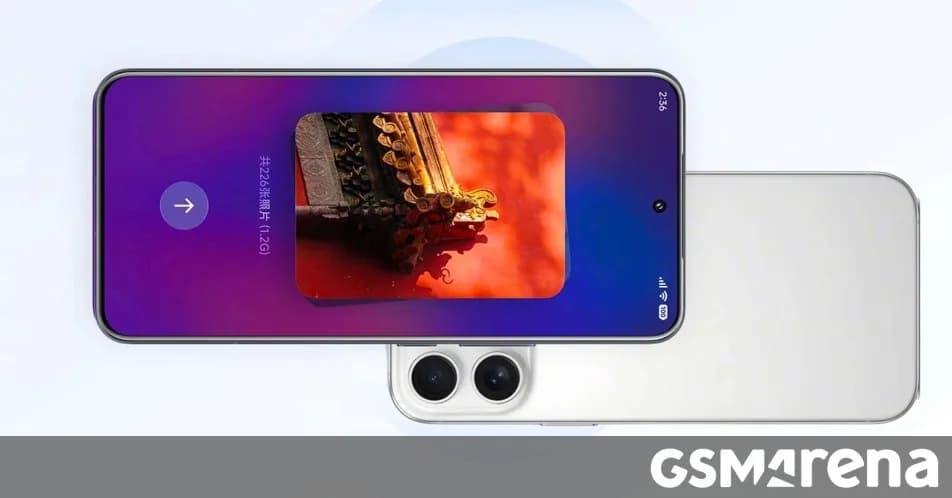

Be the first to comment
Join the argument. No password, just your email or a passkey.