Google and XREAL have pulled the curtain back on the AURA, a pair of wired extended-reality glasses that run Android XR and put Gemini directly in the wearer's line of sight. It's the first headset built on Android XR to ship with Qualcomm's Snapdragon Reality Elite platform, which debuts alongside the device.
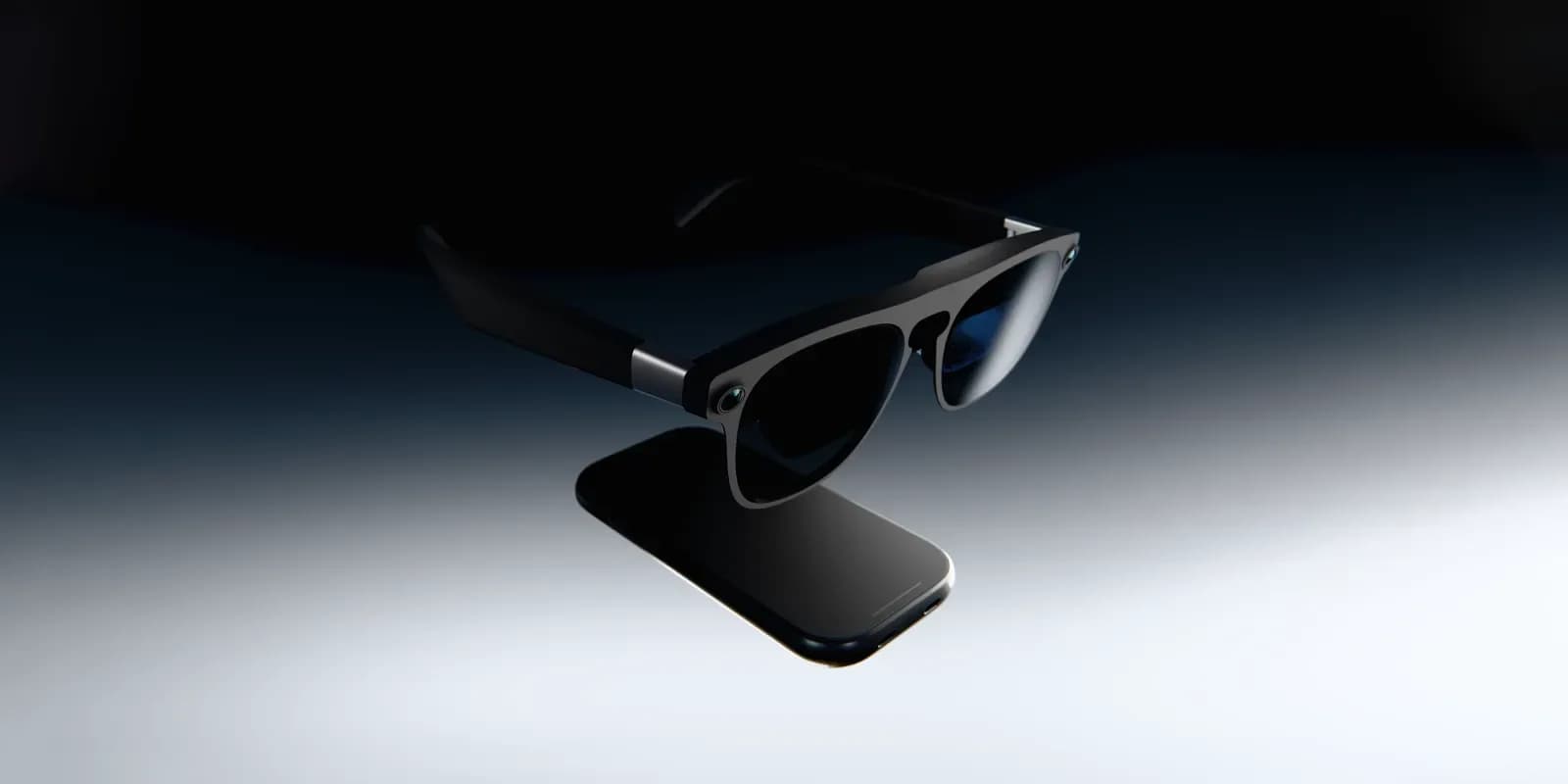
The glasses themselves weigh under 95 grams and use transparent lenses to project apps and video into the user's field of view while the real world stays visible around them. All the actual processing, plus the battery, lives in a separate compute puck connected by cable, which is how XREAL keeps the glasses this light. Field of view comes in at 70 degrees, and the headset taps into Google Play's full app catalogue, including more than 150 titles built specifically for XR.
Gemini is the part Google wants people talking about. It can see what's on screen and in the room through the glasses' cameras, which means a wearer can ask it to organise floating app windows, pull up details about something in front of them, or help brainstorm off whatever document or video happens to be open. None of that requires switching apps or picking up a phone.
Turning a laptop into a floating monitor
The headline trick is Wired Mirroring. Plug a laptop in over USB-C and its screen shows up as a resizable window floating next to whatever Android XR apps are already open, no extra software needed. Because the display is only visible to the person wearing it, Google is pitching this as a way to work on sensitive documents in a coffee shop or on a plane without anyone reading over your shoulder. A Bluetooth keyboard and mouse, or the compute puck itself as a trackpad, turns the whole setup into a makeshift multi-monitor desk.
Entertainment gets similar treatment. YouTube, Google TV and other streaming apps run natively, and the glasses support 180-degree, 360-degree and 3D content, including new immersive films and performances Google is lining up for launch. A spatial-view feature can convert ordinary video, photos or games into 3D with a tap, and a window-follow mode keeps an open app centred as the wearer moves, shrinking it to the edge of view so they don't walk into furniture. Google Photos is getting its own spatial gallery sometime in 2026, letting people browse their library by year or day and reopen favourite shots in 3D.
Gaming support spans thousands of Android mobile and tablet titles from Google Play, plus the option to mirror a handheld, PC or console into the field of view. XR-native games from Owlchemy Labs and Resolution Games use hand tracking instead of a controller, and Google has named Fallout Factions and Project Hail Mary: Journey Among the Stars as titles coming to the platform.
XREAL AURA is open for orders now for buyers 18 and up in the United States, Canada and South Korea, with bundles that add a keyboard, a controller or both. Japan gets its turn on November 2, 2026. Neither company has said anything yet about pricing or availability in India, and there's no word on when, or if, that will change.
GDFiled by The Gadgets Desk
Audio, wearables, cameras, tablets, chargers and every other device worth carrying or plugging in.
More from this desk →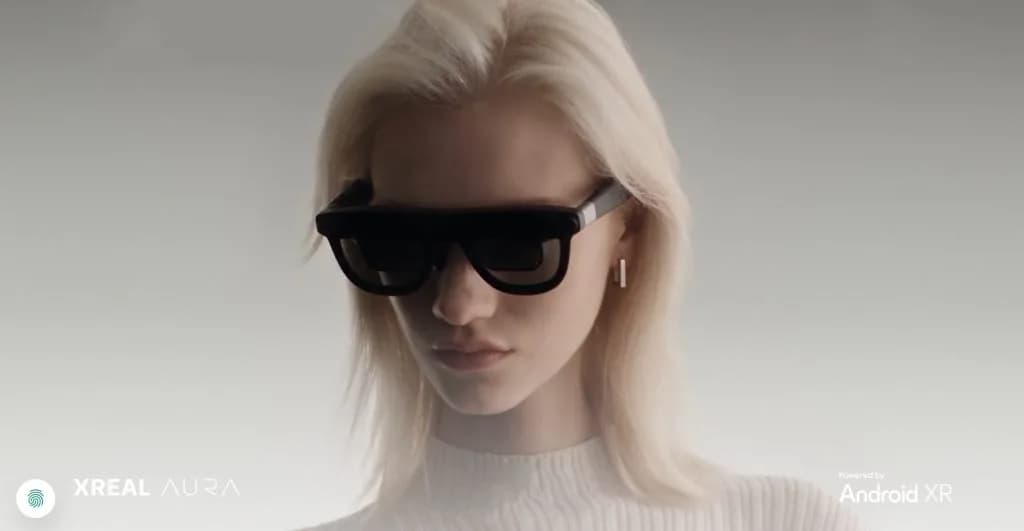
Be the first to comment
Join the argument. No password, just your email or a passkey.