That old iPhone sitting in a drawer still has a working microphone and a working Siri. According to a report from BGR, pairing it with any Bluetooth or wired speaker is enough to turn it into a makeshift hands-free smart hub, no new hardware purchase required.
The setup itself is almost embarrassingly simple. Connect the old phone to a speaker, make sure both devices stay powered on and plugged into a wall outlet, and keep the iPhone updated to a recent version of iOS. Say "Hey Siri" and the phone responds the same way it always has, just now through an external speaker instead of its own tiny driver.
That gets you most of what a dedicated Siri speaker does: hands-free requests, reminders, timers, music playback, basic smart home commands. What it does not get you is a true Apple Home hub. The Home app, Apple's control center for connected accessories, requires a HomePod or an Apple TV 4K to be designated as the hub device. An iPhone can act as a remote for that setup when you're away from home, but it cannot become the hub itself, no matter how it's wired up. So a homemade Siri speaker built from an old iPhone functions more like a voice assistant than a full smart-home controller.
Why bother when HomePod exists
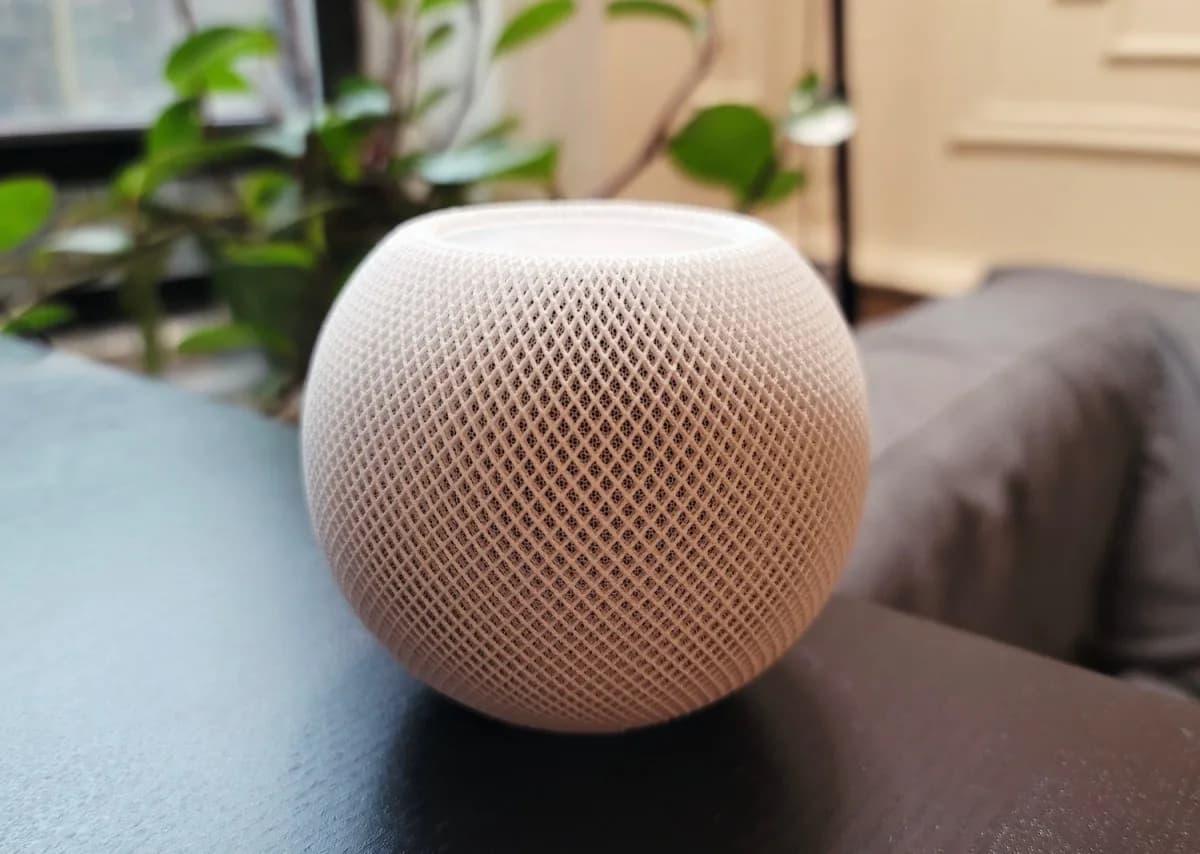
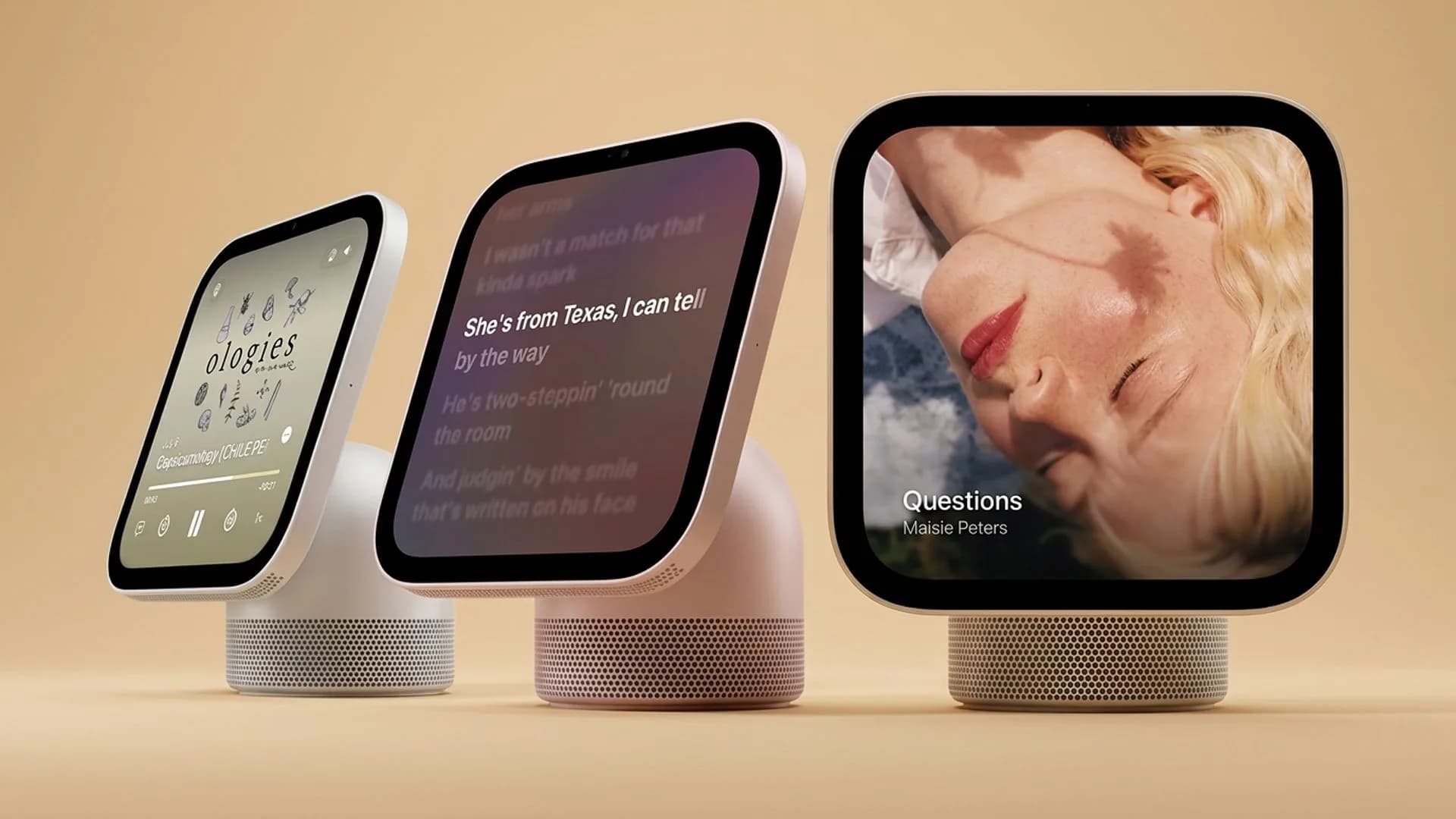
The appeal here is obviously price. Apple's current HomePod sells for $349, and the HomePod mini 2 runs $149. Apple's newer HomeView hub, revealed in October 2026, launched at $299. All three cost real money, and none of them do anything an old iPhone plus a cheap Bluetooth speaker can't approximate for the basics.
If someone already owns a decent speaker, the only outlay is an outlet and a phone that would otherwise go unused. For households with a drawer full of old iPhones, some going back several generations, that's a lot of potential Siri hubs sitting idle for no good reason.
The tradeoff is aesthetic and functional rather than financial. A phone duct-taped to a speaker is not going to look like a piece of furniture the way a HomePod does, and it won't double as a hub for Matter or HomeKit accessories in the way Apple's own devices do. For anyone who just wants to bark a timer request or play a podcast without picking up a phone, though, BGR's workaround covers that ground without spending anything new.
Apple has not commented on using old iPhones this way, and the company continues to sell the HomePod lineup and HomeView as the official route into hands-free Siri at home. For now, this remains a DIY fix rather than anything Apple is pointing people toward, so anyone trying it should expect a bit of fiddling and no official support if something goes wrong.
HTFiled by The Home Tech Desk
TVs, home appliances and the smart home: refrigerators, washing machines, air conditioners, purifiers, robot vacuums, the sets on the wall and the platforms that connect them. Launches, prices in the US and India, and what changed.
More from this desk →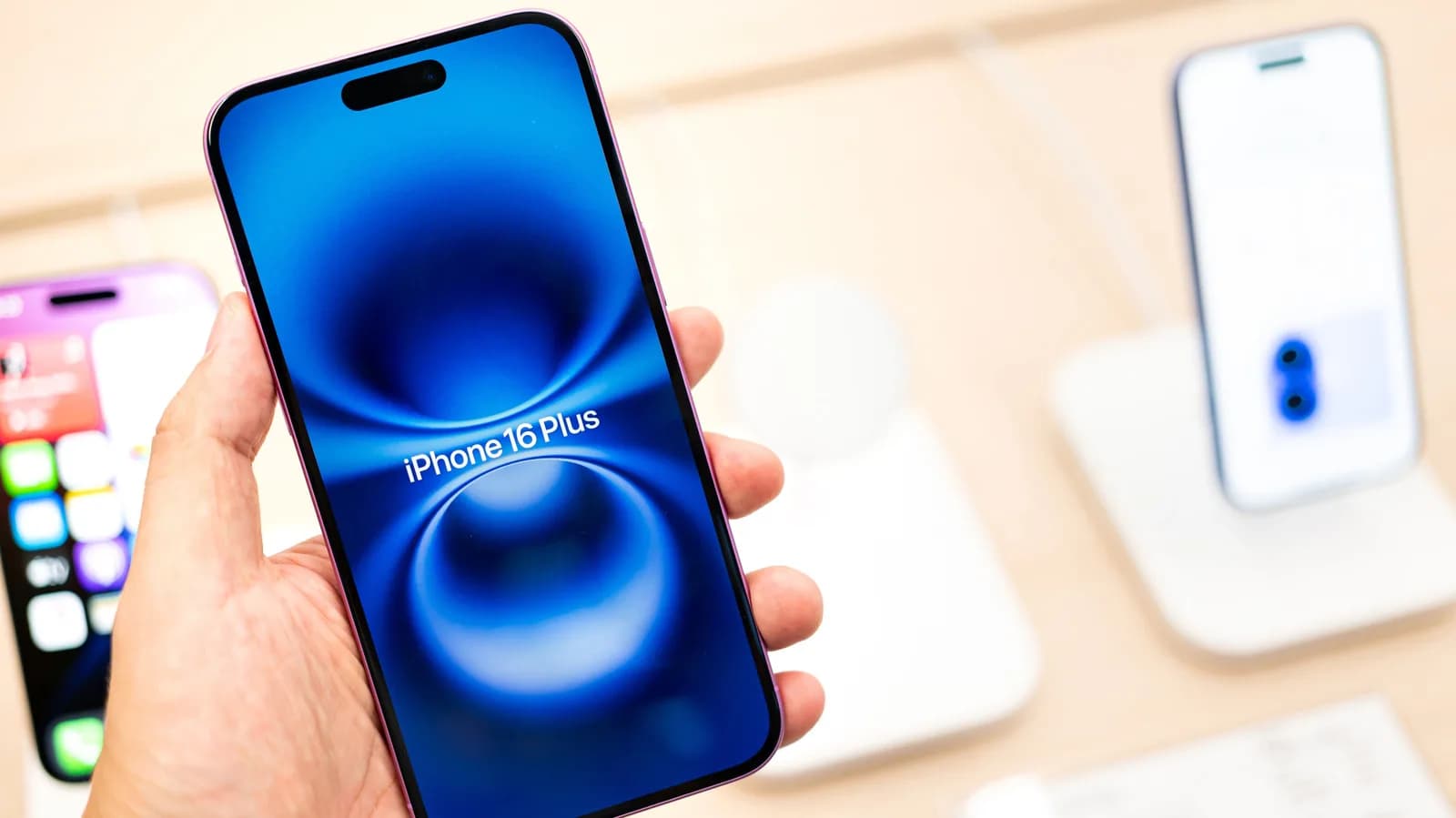
Be the first to comment
Join the argument. No password, just your email or a passkey.