Andarium — an Android 17 emulator built for iPhones and iPads, is gone from the App Store less than a day after it appeared. Apple removed it following a formal warning, citing App Review Guidelines 2.5.2 (prohibiting apps that “replicate the functionality of another platform”) and 1.1 (concerning app safety and integrity).
The developer, Yi Xie, confirmed the takedown in a public statement. No appeal succeeded. No re-submission has been announced. Andarium is offline as a commercial app, effective immediately.
It never reached the iPhone 17 or iPhone 17 Pro, because neither exists. This story is about emulation, not Apple’s next handset. Searchers typing “iPhone 17” or “iPhone 17 Pro” will land here, but those models remain unannounced, unconfirmed, and irrelevant to this event. What is real: a working, local Android environment on iOS hardware, now banned from Apple’s storefront.
Andarium ran LineageOS on top of a custom Linux kernel called Kernarium, compiled for Apple Silicon and A-series chips. It supported APK sideloading via the Files app, CPU and RAM allocation controls, VM snapshots, touchscreen mapping, and Bluetooth keyboard/mouse input. Background operation was disabled, the virtual machine paused when the app wasn’t foregrounded.
It needed at least an A14 chip (so iPhone 12 and later, iPad Air 4+, iPad Pro M1+). Independent testers reported stuttering under load, thermal throttling, and memory pressure, especially with heavier Android apps. But it worked. Locally.
Without cloud latency. That’s precisely why Apple objected. Unlike Android-in-the-cloud services like BlueStacks Cloud or Genymotion Remote, Andarium didn’t route processing through servers. It executed Android binaries directly on Apple silicon using translation layers and kernel-level virtualization.
Apple’s stance is consistent: no competing OS runtime on iOS. Not even a sandboxed one. The removal doesn’t kill the project. Yi Xie has published the full source code and pre-built IPA files on GitHub.
Users with developer accounts can still sideload it, though without notarization, installation requires manual trust steps and works only on non-locked devices. No enterprise certificate is involved. No jailbreak is needed. Just time, patience, and a Mac.
So yes: you can run Android on an iPhone. You just can’t get it from Apple. And you won’t find it searching “iPhone 17” in the App Store, because it’s not there, and never will be again. The GitHub releases are live now.
CDFiled by The Computing Desk
Laptops, desktops, processors, graphics cards and the operating systems that run on them.
More from this desk →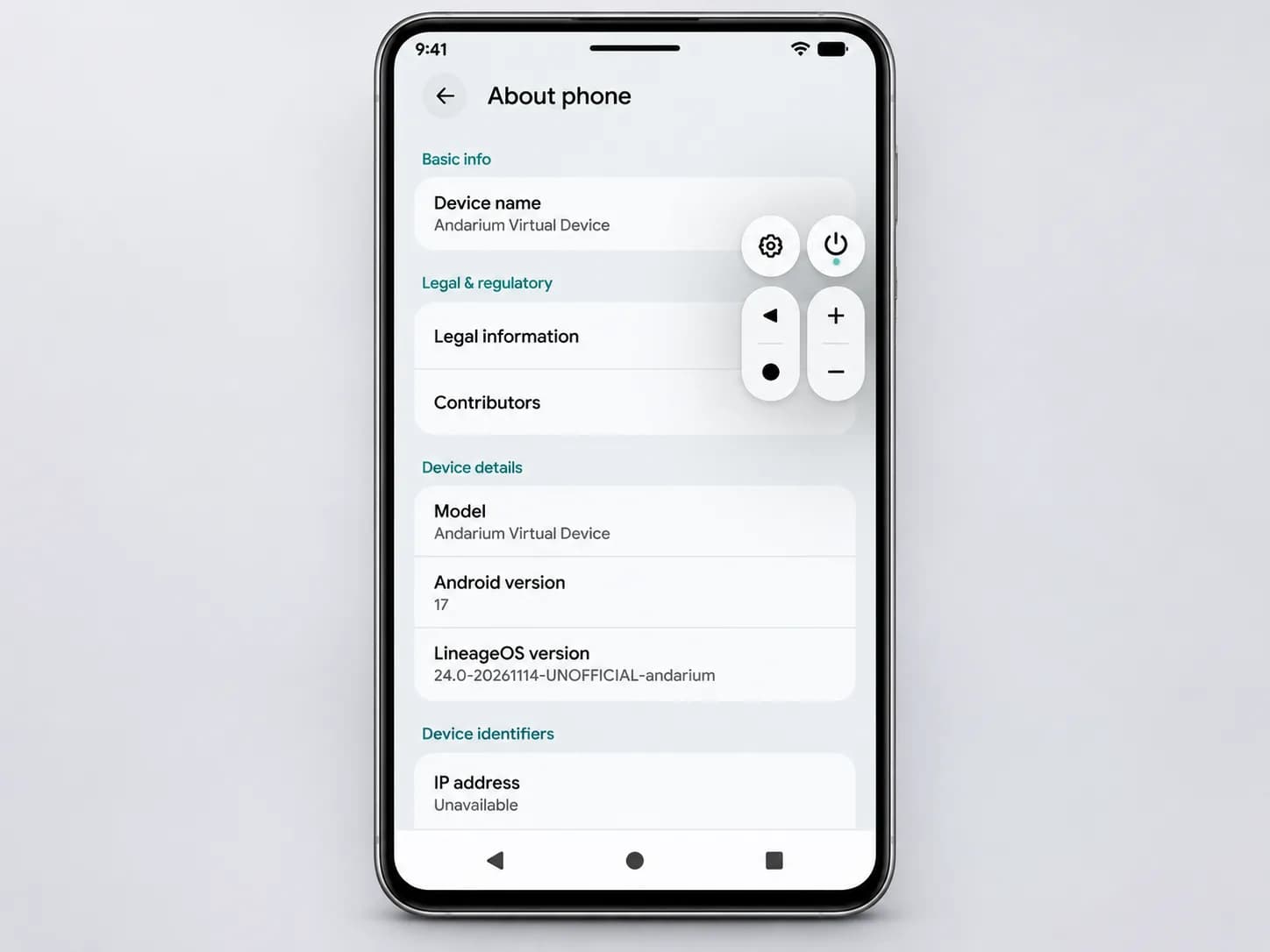
Be the first to comment
Join the argument. No password, just your email or a passkey.