Android Auto no longer works on any Galaxy phone stuck on Android 10 or older — including the Galaxy S9, Note 9, A50, and A80. Google has officially updated its support page to list Android 11 as the minimum required OS version for wired Android Auto connections. Android 9 Pie and Android 10 are now dropped entirely.
No patch, no workaround, no exception: if your phone hasn’t upgraded beyond Android 10, Android Auto is gone. Period. And it’s already broken for many users, not coming soon, but now stopped working. The change was confirmed by Google and reported by SamMobile and Android Authority on November 9, 2026.
It follows warnings sent to Android 10 users last month. This isn’t a beta tweak. It’s a hard cutoff baked into the latest Android Auto client. Wired connections, the most common way people use Android Auto in cars, simply fail.
Wireless Android Auto remains unaffected for now, but Google does not list separate requirements for wireless mode, and no official statement confirms its long-term independence from this shift. Samsung phones affected include every model that shipped with or topped out at Android 10: Galaxy S9 and S9+, Note 9, Galaxy A50, A70, A80, J6, M20, M30, and dozens of others across India’s mid-tier and legacy segments.
In India, where the A50 sold over 4 million units and the S9 remained in circulation well past 2024, the impact is broad. In the US, where the Note 9 was widely adopted in enterprise fleets and rental car programs, the disruption is operational, not just personal. Android 11 became the new floor because Google needs newer OS-level APIs for security, Bluetooth stack stability, and USB descriptor handling, none of which were backported to Android 10 in a way that satisfies current Android Auto certification.
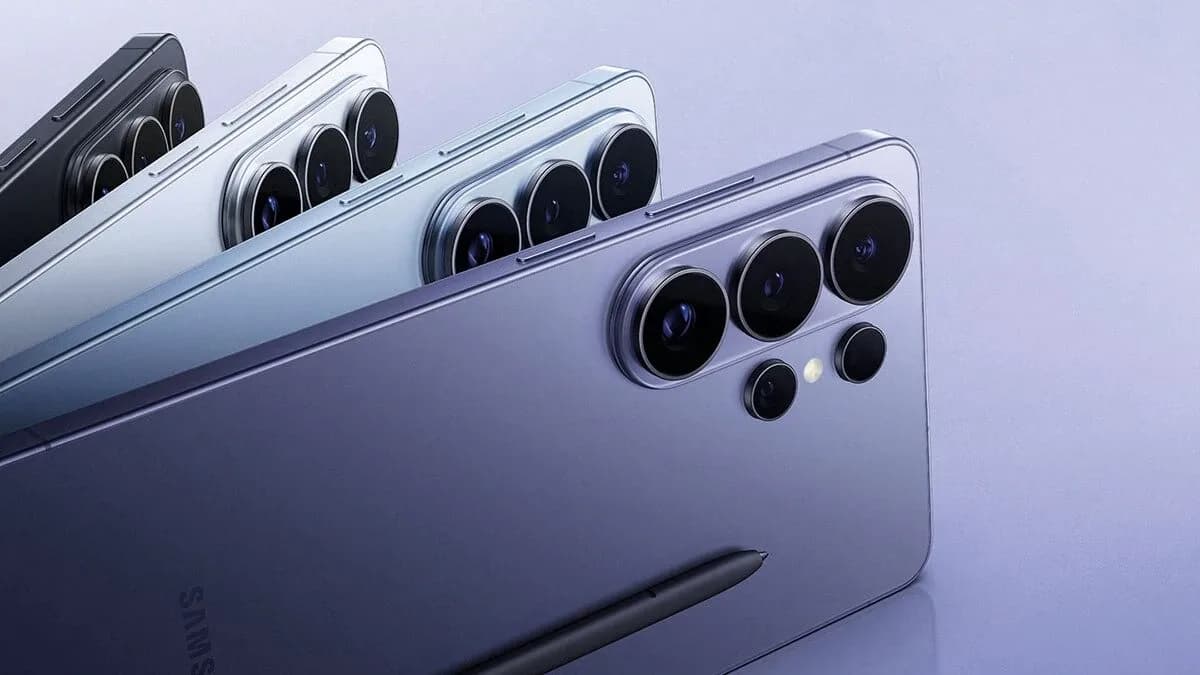
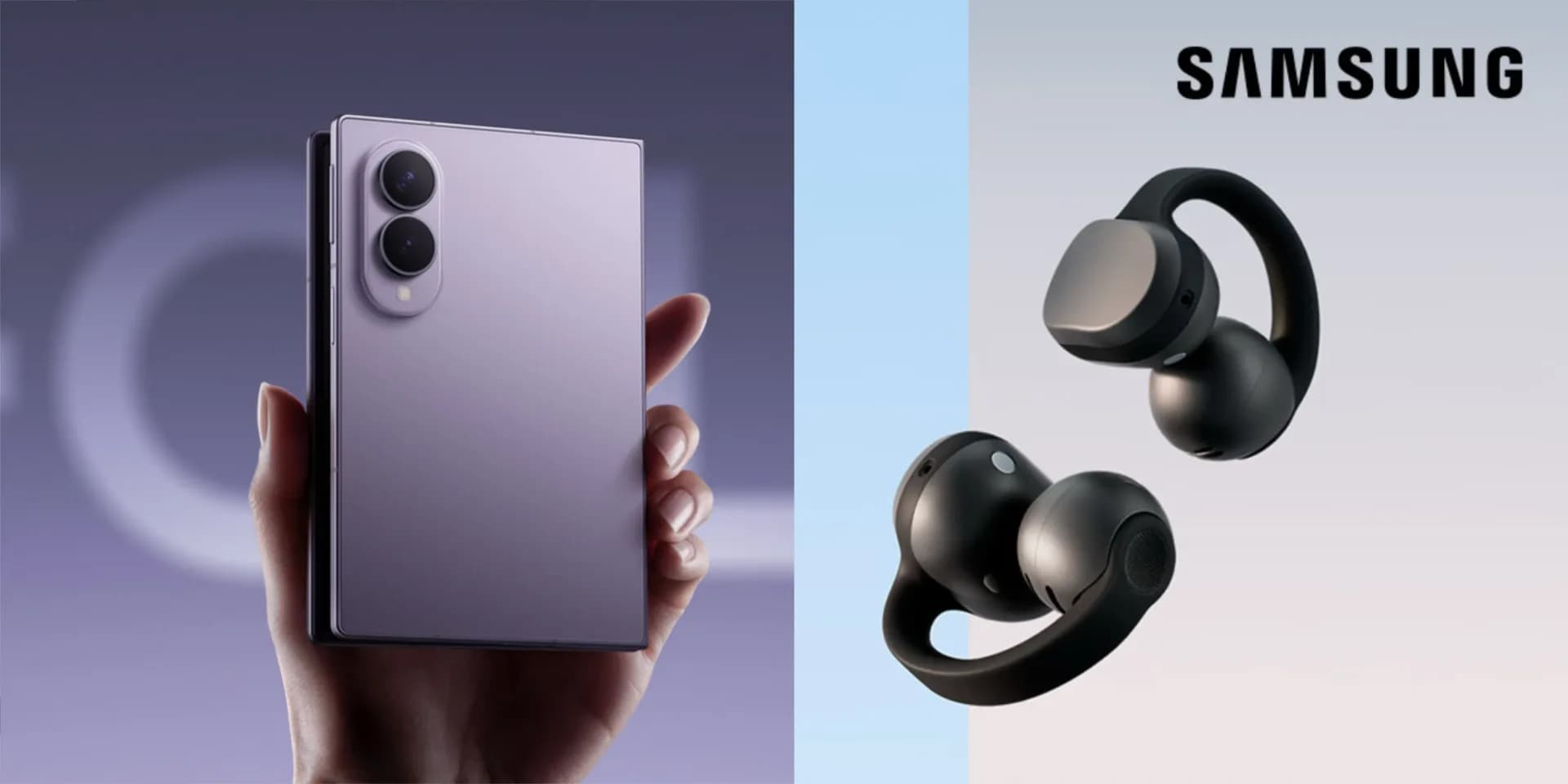
That’s why even patched or custom ROMs won’t restore compatibility unless they fully re-implement those layers, something no major community project has announced. Samsung’s latest flagships (S26 series, Z Fold 6, Z Flip 6) all ship with Android 14 and promise seven years of OS updates, meaning they’ll stay compatible through at least Android 21.
But for users holding onto a Galaxy S9 bought in 2018, or an A50 purchased in 2019, the choice is binary: upgrade the phone or lose Android Auto. No third option. Google’s pattern is clear: it drops two Android versions every two years. Android 6 fell in 2022.
Android 8 followed in 2024. Now Android 9 and 10 are out, and Android 12 will likely be next in 2028. The rollout is global. No regional exemptions.
No grace period. The updated support page is live. The breakage is real. And the clock on Android 10’s usefulness in-car has run out.
MDFiled by The Mobile Desk
Phones from leak to launch to price cut: what was announced, what it costs where, and when it goes on sale. Indian launches and prices included, not appended.
More from this desk →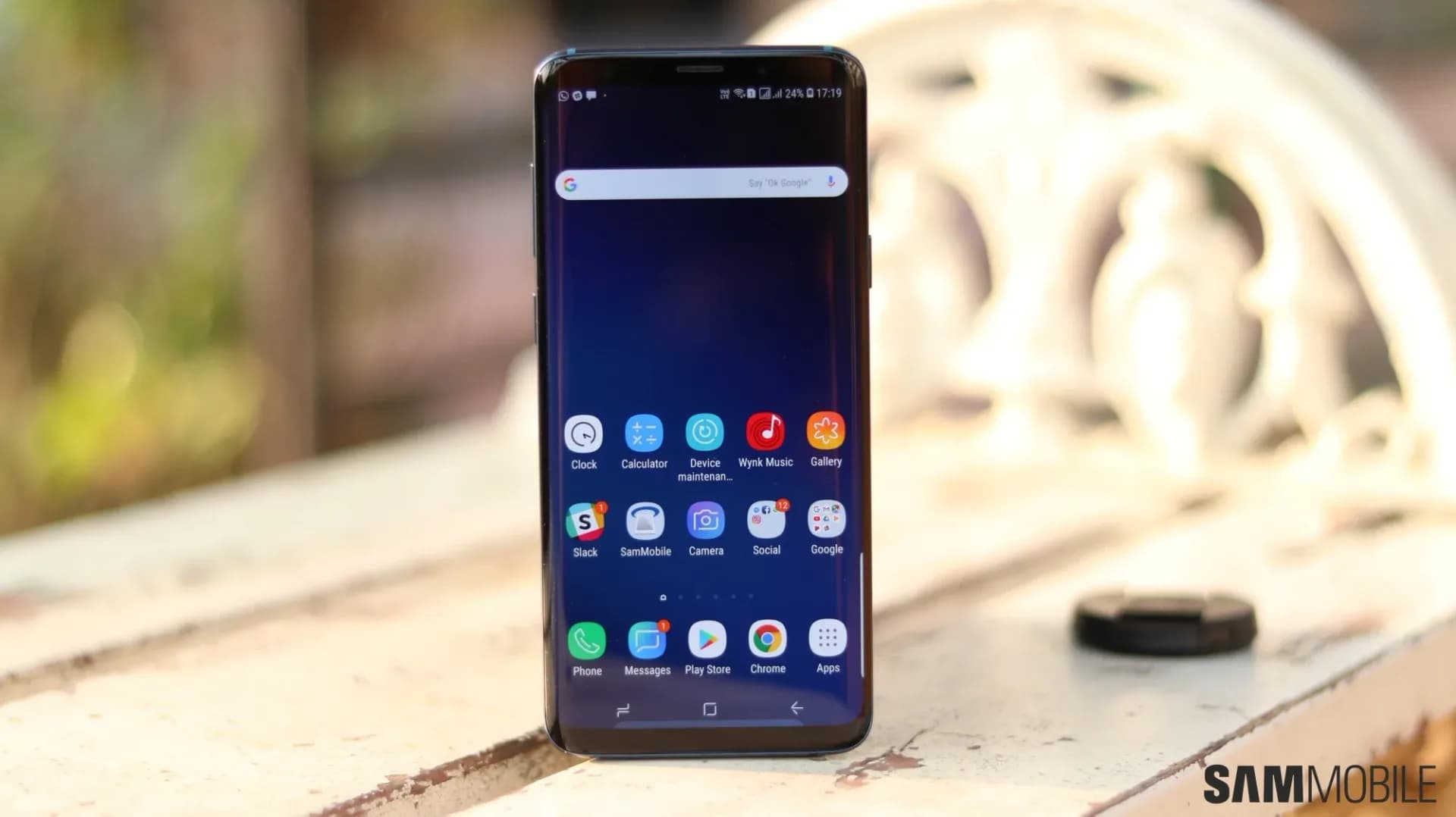
Be the first to comment
Join the argument. No password, just your email or a passkey.