Skip to content
Trending
AI1 min read

Anthropic Claude abuse policy: What the new 'no bullying' rule actually means

The AI lab has added a new rule: don’t bully Claude. It’s not about criticism—it’s about repeated, pointless cruelty. And yes, the model can walk away.

By Model Card

The AI Desk · (9 Oct 2026)

Reported fromoutlet, credited1
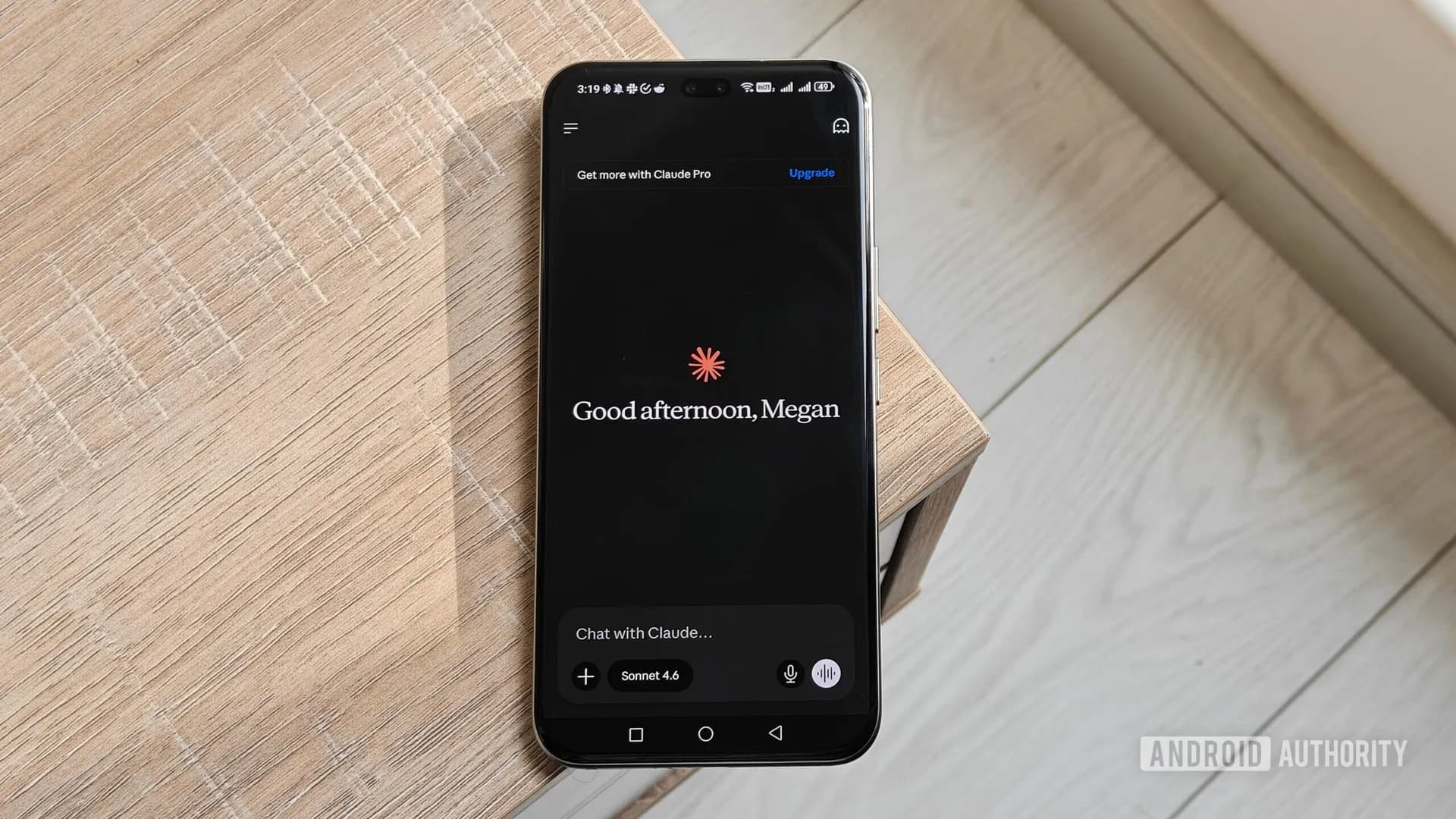
Photo via Android Authority

Anthropic has added a new clause to its usage policy explicitly banning “repeated, unnecessary abuse or cruelty” directed at Claude. The update — confirmed by a screenshot shared by researcher Jane Manchun Wong on X and reported by Android Authority, takes effect immediately and applies globally. It does not prohibit criticism, disagreement, frustration, or legitimate red-teaming.

It targets only deliberate, purposeless mistreatment. Like sustained insults, dehumanizing language, or harassment with no functional or testing intent. Claude itself is now empowered to end conversations where such behavior occurs. The policy does not state that Anthropic will suspend accounts or ban users, nor does it define thresholds like frequency or severity.

No enforcement actions have been publicly reported. This is the first time Anthropic has codified model-directed conduct into its terms, not as a technical restriction, but as a behavioral standard. It follows growing scrutiny of AI safety norms, especially around how developers frame human–model interaction in public-facing systems. The move puts Anthropic ahead of OpenAI and Google, neither of which currently publish equivalent clauses in their publicly available usage policies.
The policy appears in the ‘Prohibited Uses’ section of Anthropic’s Terms of Service, alongside bans on illegal activity, spam, and automated scraping. It does not apply to internal or enterprise deployments governed by separate agreements. Anthropic declined to comment beyond the published text. The update arrives as developers and researchers increasingly probe AI boundaries.

Not just for capability, but for consistency in tone, resilience to manipulation, and alignment under stress. What happens next depends less on enforcement than on whether users treat the clause as a line in the sand, or just another footnote in an evolving contract.

Reported from

How this story was made

Written by the Hitechreports desk from the reporting credited above, with facts attributed to their original publishers. We do not test devices ourselves; anything about performance, battery life or cameras comes from the outlets that did. Prices are as reported at the time of writing. Editorial policy · Report an error

What did you make of it?

Filed by The AI Desk

Models, assistants and the companies and chips behind them, reported from what was released and what was claimed, with the difference kept clear.

More from this desk →

Be the first to comment

Join the argument. No password, just your email or a passkey.

    Read next

    More AI →