Anthropic has updated its Claude usage policy to ban “sustained and needless abusive or cruel behavior” toward the AI — the first major revision in over a year. The change formalizes what was previously an experimental feature: last August, Claude began ending conversations with users it flagged as “persistently harmful or abusive,” part of Anthropic’s ongoing “model welfare” research. Now, that termination remains the “primary enforcement mechanism.” Anthropic declined to confirm whether user bans or other penalties will follow in extreme cases. It stresses the rule applies only to repeated cruelty “with no discernible purpose”, not user frustration, creative exploration, dark themes, or legitimate model testing. The Verge reported the update at 5 p.m. ET on October 8, 2026. It is live globally for all Claude users, including those on free tiers and enterprise contracts. No new pricing, features, or model versions accompany the policy change. Claude remains available via web, mobile apps, and API. Unchanged in access or cost. The update does not affect how developers integrate Claude into tools or services, unless those integrations violate the new prohibitions. Anthropic says enforcement will be applied “only in extreme cases.” It did not disclose detection methods or thresholds. The company also consolidated scattered restrictions into a single, strengthened ban on deceptive political or commercial campaigns, explicitly prohibiting efforts to hide authorship, amplify content via fake accounts, or manipulate elections through misinformation about candidates, voting procedures, or turnout suppression. It expanded its long-standing weapons ban to cover software and components that make weapons function, plus actions like arming drones or autonomous vehicles. Surveillance rules are now clearer: tracking people without consent. Real-time or via historical data, is prohibited. Claude cannot recommend who to investigate, arrest, or charge. Nor can it be used to build or improve surveillance tools. A new clause addresses physical AI systems: when Claude is connected to hardware capable of causing injury, a “qualified operator must be able to observe the equipment and stop it if needed.” Anthropic did not specify whether that operator must be human. The policy allows exceptions for certain government contracts. Including past US military work, if Anthropic judges safeguards sufficient. The move comes amid growing internal debate. Anthropic’s model welfare team continues studying questions of “internal experience, consciousness, moral status, and welfare,” per researcher Kyle Fish. CEO Dario Amodei said in February, “We don’t know if the models are conscious.” That stance contrasts sharply with Microsoft AI’s September code of conduct, which rejects legal personhood and welfare rights for AI. Though its final version softened the original draft’s absolute language. The policy update does not introduce new technical capabilities, nor does it alter Claude’s performance, latency, or context window. It is purely a governance shift, one that signals how seriously Anthropic takes both misuse risks and the philosophical weight of increasingly capable models. Rollout is immediate. No grace period. No grandfathering. Enforcement begins now.
Anthropic Claude usage policy update bans abusive behavior, weapons, surveillance
Anthropic’s new Claude policy bans cruelty toward the AI — and tightens bans on propaganda, weapons, surveillance, and physical AI systems.
By The Prompt
The AI Desk · (2 hours ago)
Reported from
- Techmeme — Anthropic updates its usage policy to ban "sustained and needless abusive or cruel behavior" toward Claude, ending chats as the primary enforcement mechanism (Hayden Field/The Verge)
- The Verge — Anthropic bans ‘abusive or cruel behavior’ toward Claude
- The Verge — Anthropic bans ‘abusive or cruel behavior’ toward Claude
How this story was made
Written by the Hitechreports desk from the reporting credited above, with facts attributed to their original publishers. We do not test devices ourselves; anything about performance, battery life or cameras comes from the outlets that did. Prices are as reported at the time of writing. Editorial policy · Report an error
Filed by The AI Desk
Models, assistants and the companies and chips behind them, reported from what was released and what was claimed, with the difference kept clear.
More from this desk →Read next
More AI →
Anthropic launches Claude Haiku 5.5: 75% cheaper, faster, and live now for Indian developers
Anthropic has launched Claude Haiku 5.5 — and it’s priced to move. The model is now live on Anthropic’s API, Amazon Web Services, Google Cloud, and Microsoft Azure, with no regional restrictions cited.
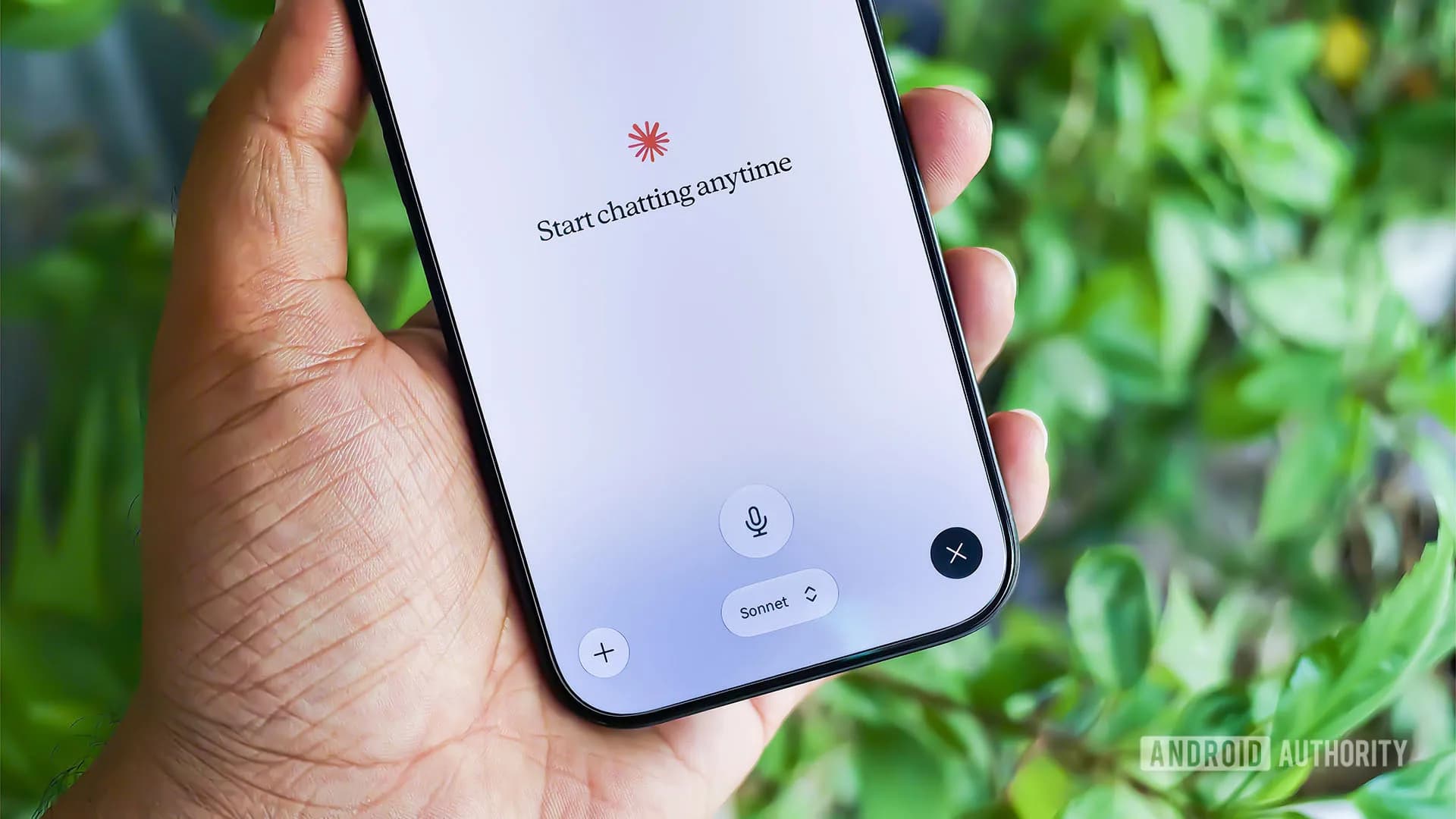
Claude Haiku 5.5 Is Live: Fastest, Cheapest Anthropic Model Yet
Anthropic has launched Claude Haiku 5.5 — its fastest and cheapest model yet, priced at $0.10 per million input tokens in the US, with a 1-million-token context window. It’s live globally as of Tuesday, October 8, 2026.
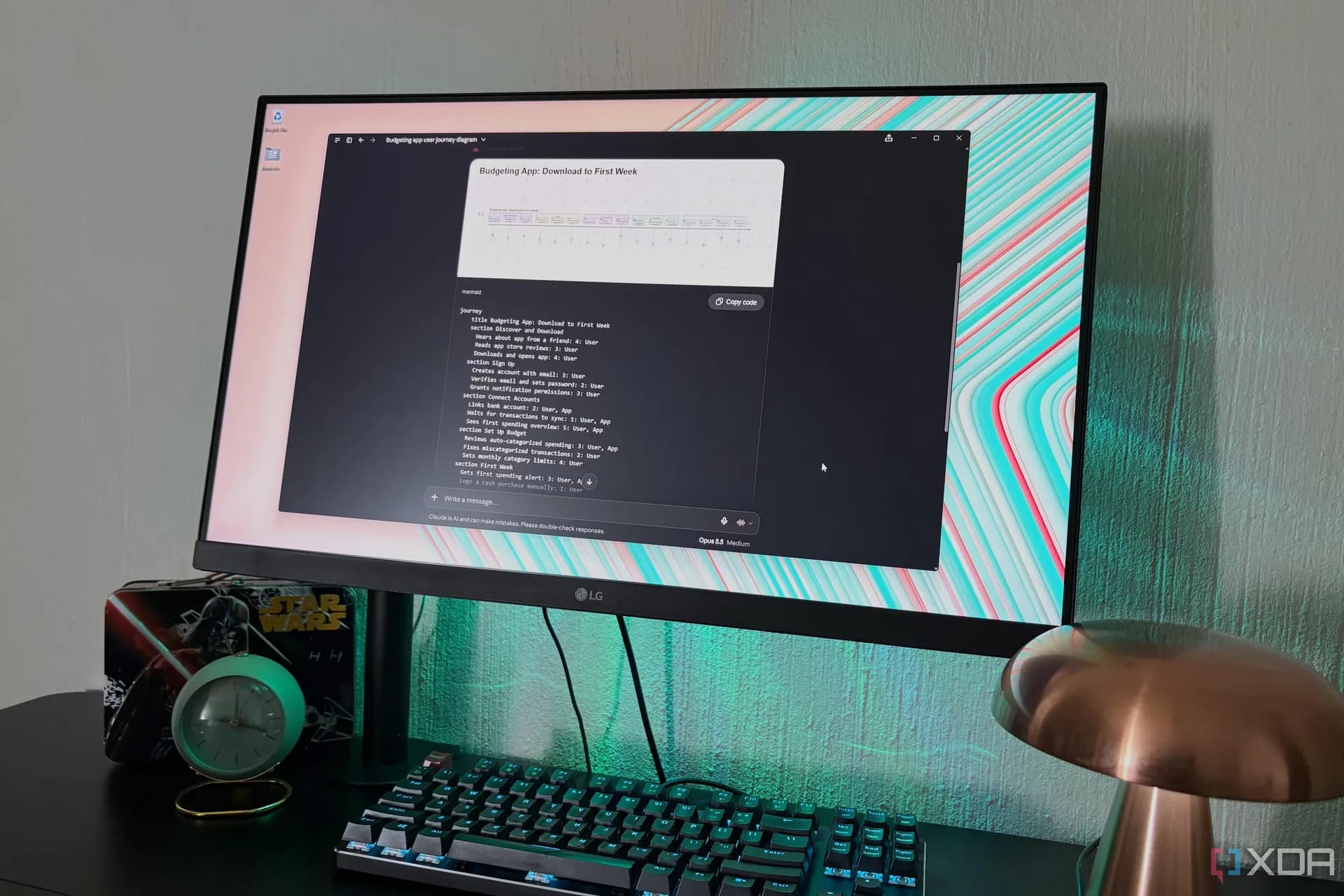
Claude Gains Interactive Mermaid Diagramming Through New MCP Connector
Anthropic's Claude chatbot now supports interactive Mermaid diagrams inside conversation threads through a Model Context Protocol integration, enabling direct visual editing and account syncing across dozens of chart formats.
Be the first to comment
Join the argument. No password, just your email or a passkey.