Anthropic says it has cut stolen Claude reasoning tokens by up to 99% — a direct countermeasure against industrial-scale model distillation. The company confirmed the drop in a statement published Sunday, citing new detection systems and access restrictions that now block internal chain-of-thought outputs from being scraped at scale. Attackers had been using hundreds of thousands of fake accounts to extract those tokens, feeding them into rival models. Anthropic names Zhipu and Moonshot as two Chinese firms involved: Zhipu allegedly used the data to train GLM-5.3’s cyber capabilities. Moonshot is accused of routing queries through Claude without disclosure. Both models are commercially available in China and globally. Anthropic warns stolen reasoning steps could feed into foreign military or surveillance tools, not just commercial AI. So it’s now banning flagged accounts automatically. Tens of thousands have already been blocked. A classifier scans for extraction patterns in real time. And internal reasoning. The step-by-step logic behind Claude’s answers, is no longer exposed to API users or web interfaces unless explicitly enabled by enterprise customers under strict terms. That change affects developers building agents or RAG pipelines that previously relied on full reasoning traces. Legitimate users are getting caught, Anthropic admits. Its call for industry-wide adoption of similar safeguards remains voluntary. No shared standard, no enforcement mechanism. No timeline for rollout beyond ‘now live’. No pricing impact announced. No update to Claude 4, Opus 5.5, or Sonnet 4.5 models themselves. Just tighter gates around how their thinking gets seen, and who gets to see it. Anthropic says the next step is refining false-positive rates while keeping extraction volume near zero.
Anthropic Cuts Claude Reasoning Token Theft by Up to 99% in Distillation Crackdown
Anthropic’s new anti-distillation system blocks internal reasoning tokens — and has already banned tens of thousands of accounts.
By Model Card
The AI Desk · (4 hours ago)

Reported from
How this story was made
Written by the Hitechreports desk from the reporting credited above, with facts attributed to their original publishers. We do not test devices ourselves; anything about performance, battery life or cameras comes from the outlets that did. Prices are as reported at the time of writing. Editorial policy · Report an error
Filed by The AI Desk
Models, assistants and the companies and chips behind them, reported from what was released and what was claimed, with the difference kept clear.
More from this desk →Read next
More AI →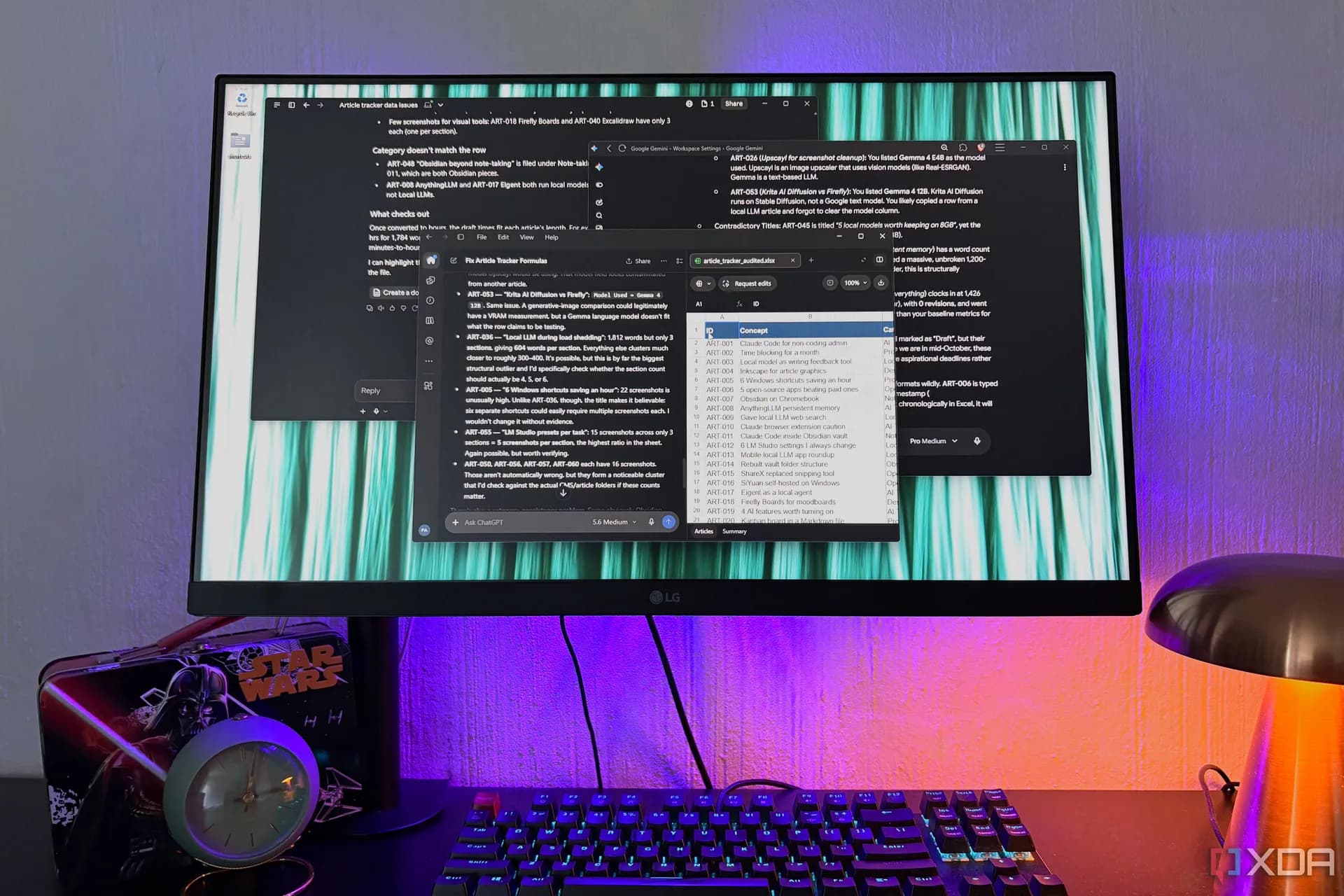
Claude Opus 5.5 Successfully Fixed a Complex Real World Spreadsheet
Claude Opus 5.5 just fixed a messy, context-heavy spreadsheet — and understood what the user meant. ChatGPT came close. Gemini didn’t get it at all.

Claude Haiku 5.5: Free for Everyone, 90% Cheaper for Developers
Claude Haiku 5.5 is live globally: free for all users, 90% cheaper for developers, and benchmarked by Anthropic against GPT-6 Luna — though independent verification is still pending.
Anthropic Claude usage policy update bans abusive behavior, weapons, surveillance
Anthropic has updated its Claude usage policy to ban 'sustained and needless abusive or cruel behavior' toward the AI — the first major revision in over a year.
Be the first to comment
Join the argument. No password, just your email or a passkey.