Apple is finally mounting a direct challenge to Amazon and Google on smart home hardware. For years, the Echo Show and Google Nest Hub dominated kitchen counters and bedside tables, while Apple kept buyers waiting with an erratic device roster and strict certification barriers. The arrival of the Apple HomeView display, alongside an official Apple Home Collection accessory line, marks an abrupt shift in that strategy.
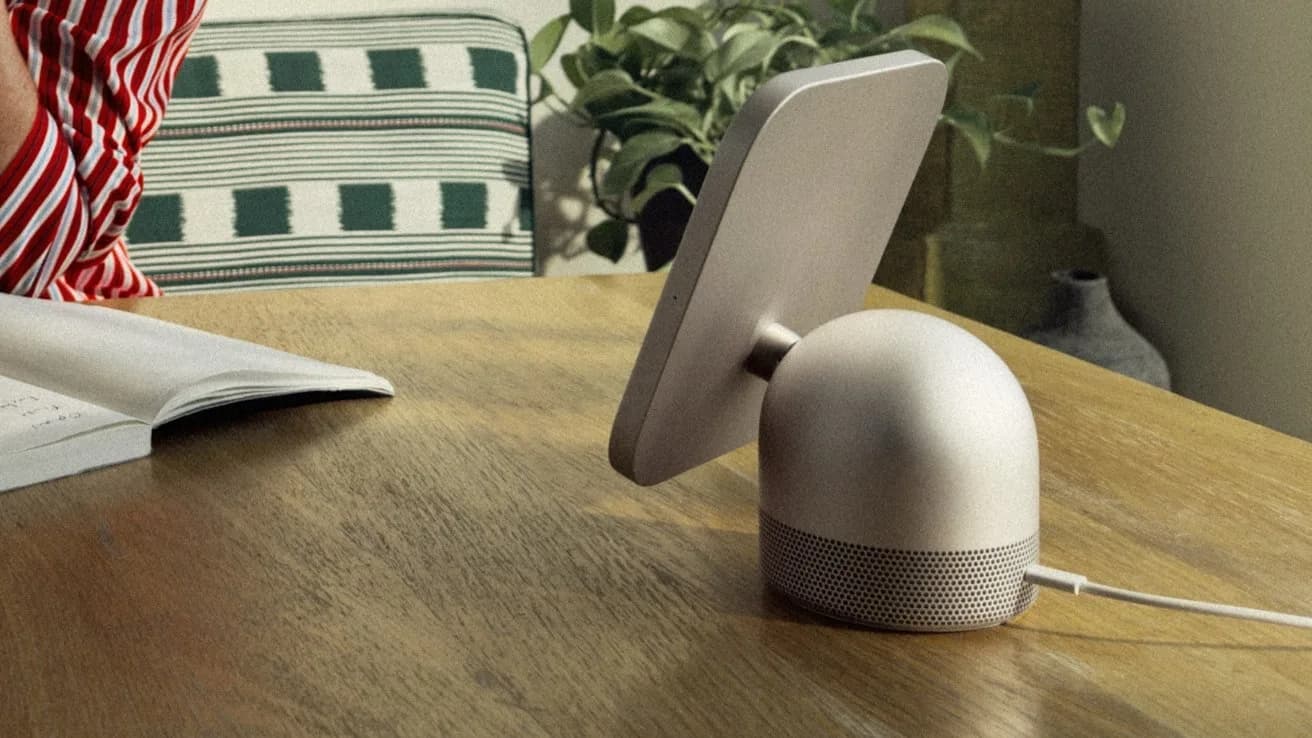
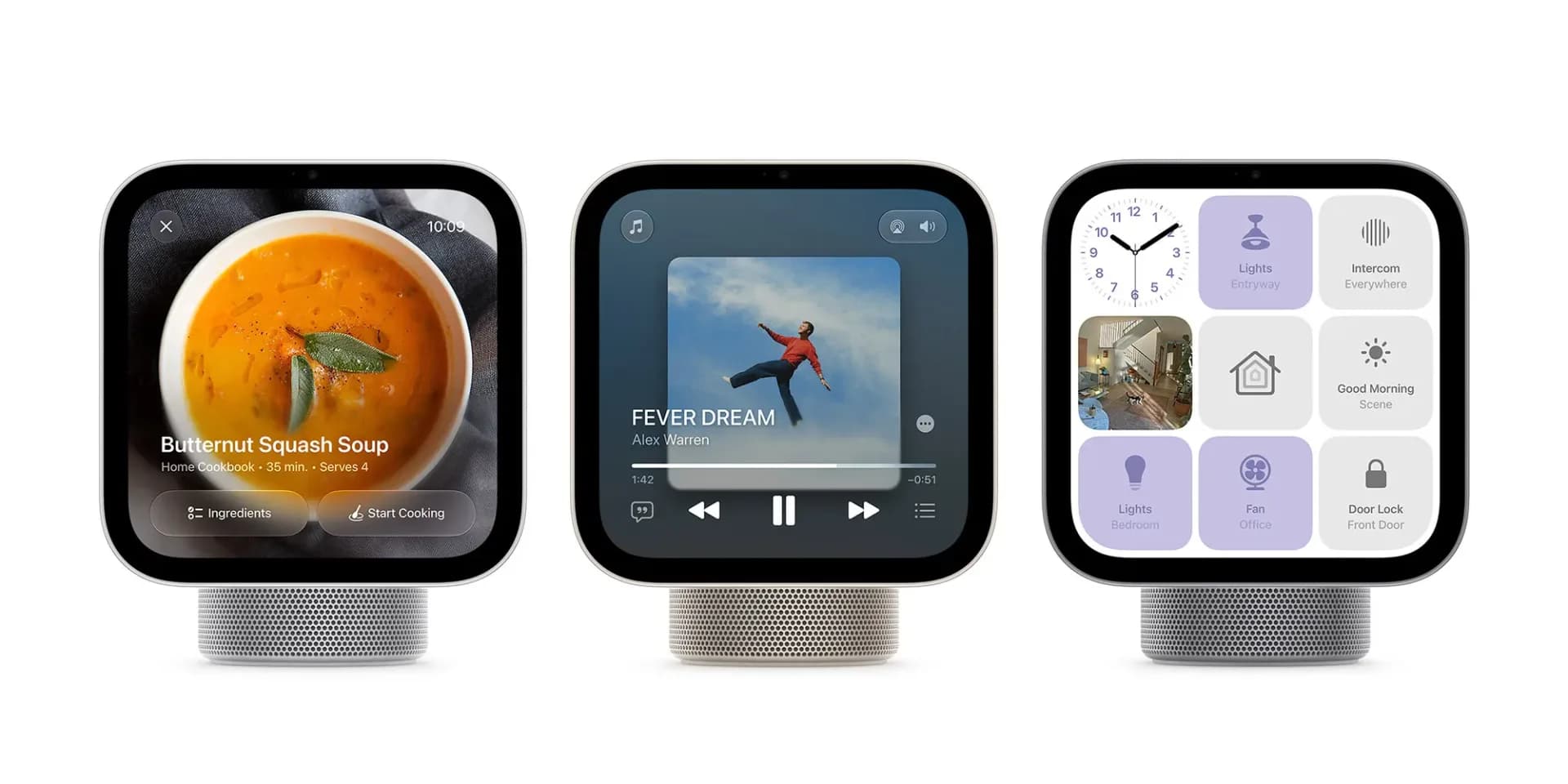
Apple designed the HomeView with an angled screen reminiscent of the classic iMac G4. It functions as a central command station for Thread and Matter networks. While it primarily suits households already invested in the Apple ecosystem, third-party services such as Spotify do run on it. Several software tricks set it apart from standard displays. Holding an iPhone close to the HomeView screen transfers whatever audio is playing straight to the unit. The display can also convert web recipes into guided cooking cards, and it monitors as many as nine live camera streams simultaneously.
The Hardware Play
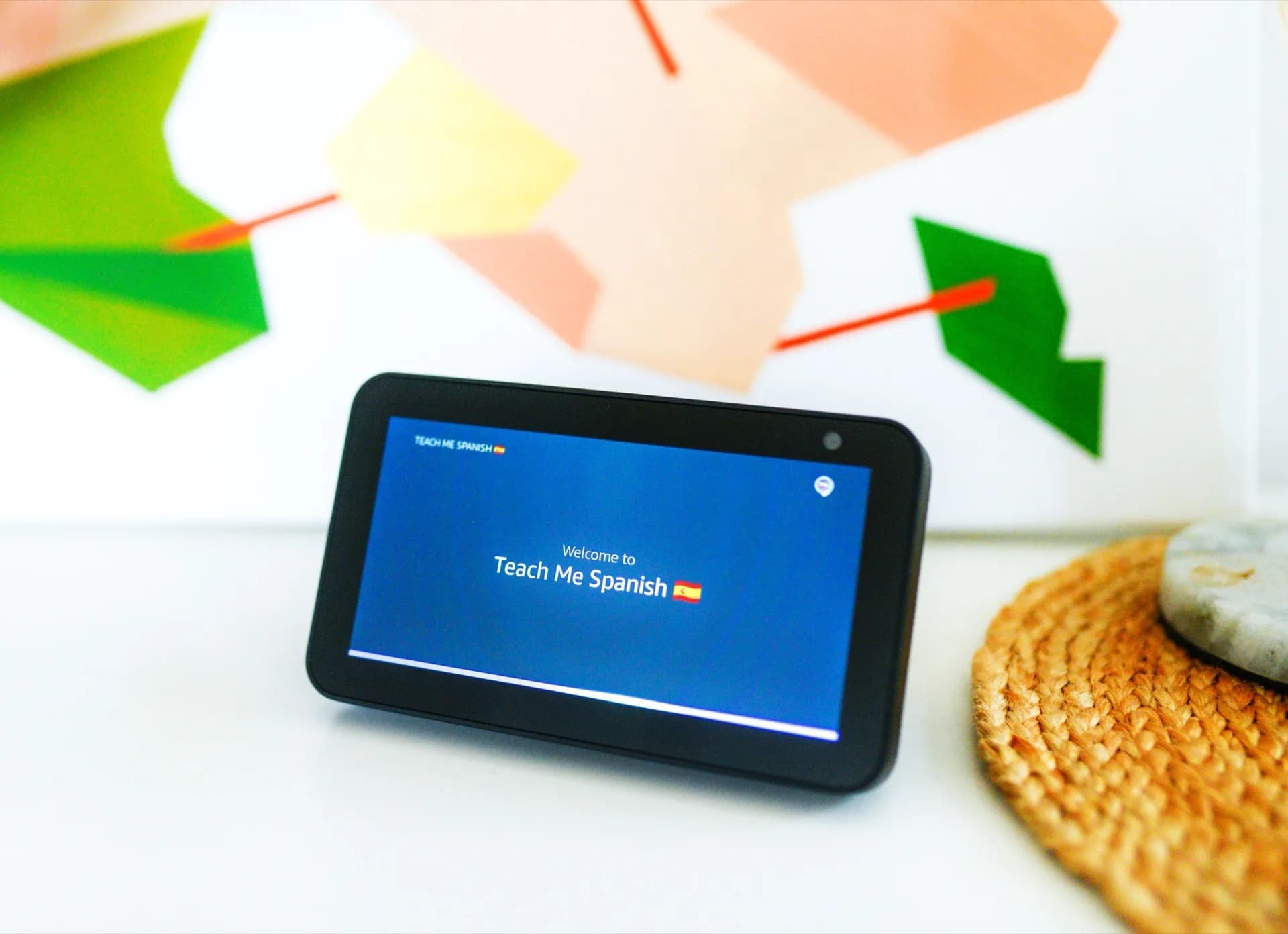
Amazon and Google still hold major advantages in variety. Both sell displays in multiple dimensions, including extra-large models that double as small television sets, and both offer mechanical privacy covers.
To bridge its missing camera and sensor portfolio, Apple teamed up with LG and Schneider Electric on the Home Collection. Rather than forcing shoppers to hunt down niche brands, the co-branded lineup provides essential smart home equipment that pairs with one tap and supports full Siri voice commands. That whole-home catalog carries higher prices than budget alternatives, which leaves room for third-party partners such as Ecobee. Yet it gives iPhone owners an easy path to set up gear without cross-checking compatibility lists.
The Privacy Pitch
Apple's strongest wedge against its rivals is privacy architecture. Amazon has drawn intense scrutiny for sharing Ring surveillance footage with police agencies, while Google faces active lawsuits over allegations that it harvested facial records without people's consent. LG has also faced pushback over adware on monitors and claims of TV data tracking, though Apple asserts its strict protocols apply across the partner lineup.
On the HomeView, sensor feeds and microphone recordings remain stored locally. Accessing personal files on the display demands an authenticated iPhone or iPad nearby. Apple claims all facial detection processes run fully encrypted, and any footage uploaded to cloud servers stays locked away from everyone for its 10-day retention period. When you step inside your front door, the indoor lens automatically tilts down.
Whether Apple can chip away at the massive head start enjoyed by Alexa and Google Home depends largely on whether shoppers will pay Apple's typical premiums for home hardware. But with Matter leveling protocol barriers, Amazon and Google finally have a formidable rival on the shelf.
HTFiled by The Home Tech Desk
TVs, home appliances and the smart home: refrigerators, washing machines, air conditioners, purifiers, robot vacuums, the sets on the wall and the platforms that connect them. Launches, prices in the US and India, and what changed.
More from this desk →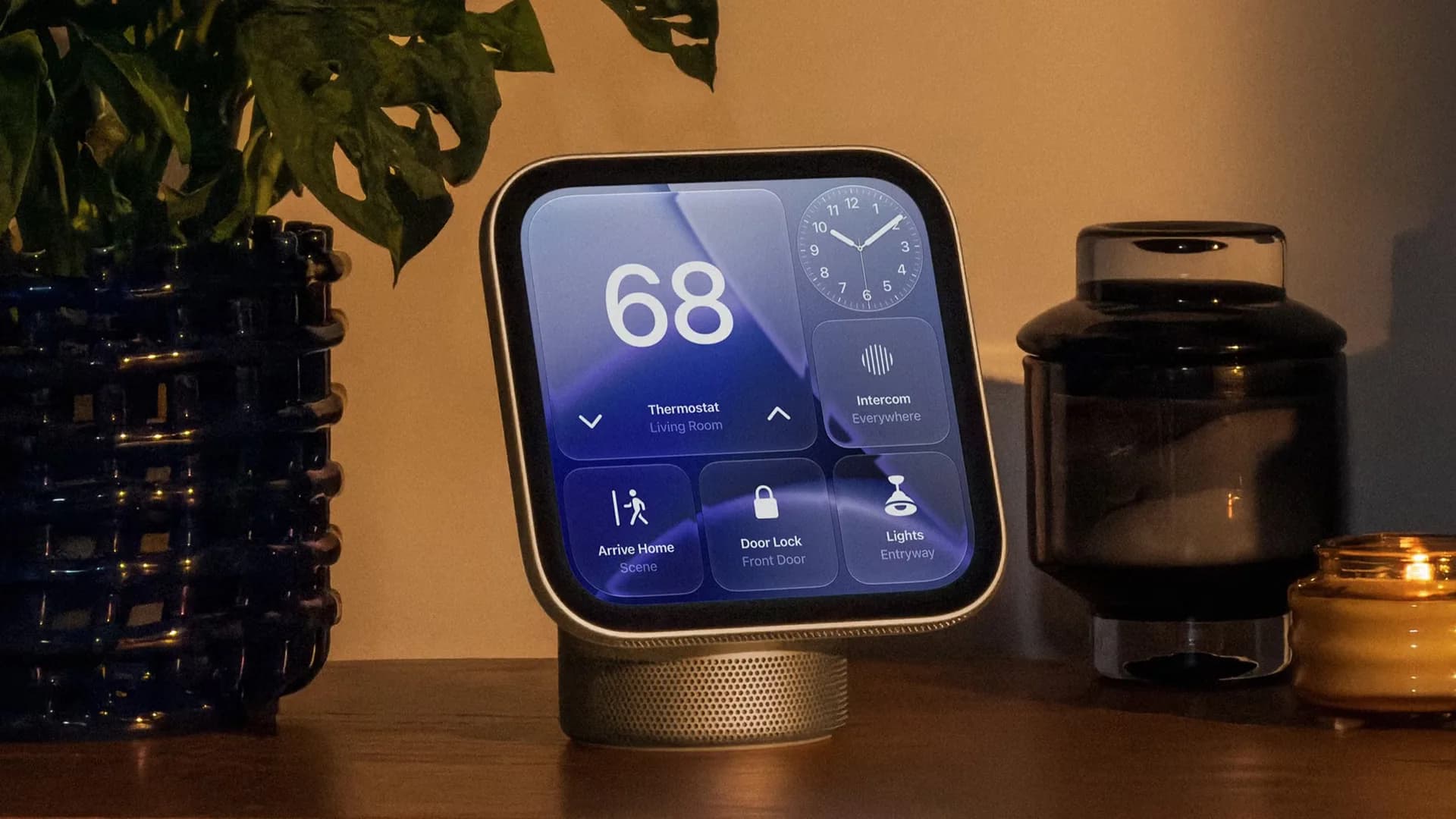
Be the first to comment
Join the argument. No password, just your email or a passkey.