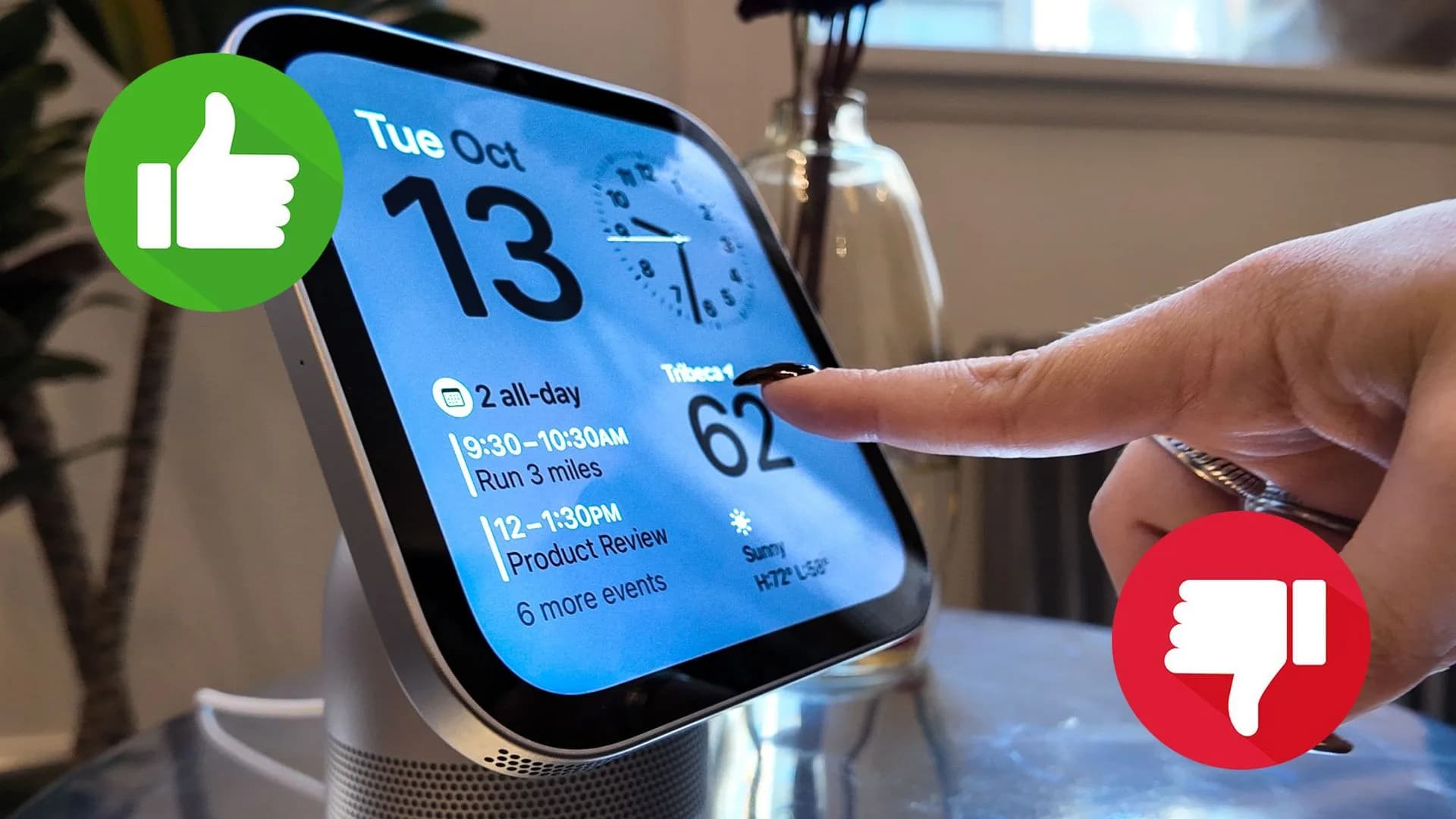
Apple HomeView launches November 13: $299 in US, ₹34,990 in India — no Face ID, but facial recognition for six users and dual dashboards built in. It’s Apple’s first smart display, ending a five-year wait that began with Mark Gurman’s 2021 report that Apple planned to expand its smart home lineup with a display-equipped device. Rumors persisted for years, including speculation about a robotic-arm version modeled after the discontinued Echo Show 10. Before Ming-Chi Kuo’s 2023 prediction narrowed the field to a 7-inch screen. That screen is now real: a 7-inch display anchored by the A18 chip and powered by Apple Intelligence. Pre-orders are live, Amazon is offering a $9 discount on the US model at launch. In India, Flipkart and Apple India’s site list it at ₹34,990. No UK or EU pricing appears in reporting. It does not have Face ID, but uses its 12MP front camera for household facial recognition. Up to six people, switching between a shared dashboard (lights, thermostats, security cams) and a personalized one (calendar, reminders, Messages) when someone approaches. Siri AI acts contextually on-screen: point at a live camera feed and say “unlock the front door”, or ask it to add recipe ingredients to your shopping list mid-cook. You can send Safari recipes to it, and it strips them down to clean, large-text step-by-step views. It answers complex, multi-turn questions without re-waking. And pulls personal context from Mail, Calendar, Messages and Reminders when paired with your iPhone or iPad. Phone calls ring across devices. Answer them on HomeView. The device supports hands-free FaceTime with Center Stage auto-framing, lets you dictate iMessages and hear replies read aloud, and doubles as an in-home intercom, blast voice announcements like “dinner is ready” across every Apple device in the house. Its far-field microphones support multi-user voice matching, so Siri AI differentiates between family members and responds with tailored answers even when spoken from across the room. There’s no third-party app store. No Android or Matter-only accessories supported out of the box. It’s built for Apple’s ecosystem, top to bottom. Tom’s Guide notes the dual-dashboard system solves a core smart home pain point: juggling multiple apps on your phone. When no one is in front of the screen, it defaults to universal controls, ideal for guests who need to adjust lighting without knowing your smart bulb names. When a recognized user walks up, and their unlocked iPhone or iPad is nearby on the same network, the device unlocks access to private data securely. Availability starts Friday, November 13.
Apple HomeView price, specs, and launch date confirmed: $299, 7-inch display, November 13
No Face ID. No third-party apps. But six-person facial recognition, dual dashboards, and Siri AI that acts on what’s on screen — Apple HomeView arrives November 13.
Get this deal
Apple HomeView: Reasons to buy
Buy on AmazonPaid links. As an Amazon Associate, Hitechreports earns from qualifying purchases. Prices change; the story gives the price as reported when it was written.
By Living Room
The Home Tech Desk · (2 hours ago)
Get this deal
Apple HomeView: Reasons to buy
Buy on AmazonPaid links. As an Amazon Associate, Hitechreports earns from qualifying purchases. Prices change; the story gives the price as reported when it was written.
Reported from
How this story was made
Written by the Hitechreports desk from the reporting credited above, with facts attributed to their original publishers. We do not test devices ourselves; anything about performance, battery life or cameras comes from the outlets that did. Prices are as reported at the time of writing. Editorial policy · Report an error
Filed by The Home Tech Desk
TVs, home appliances and the smart home: refrigerators, washing machines, air conditioners, purifiers, robot vacuums, the sets on the wall and the platforms that connect them. Launches, prices in the US and India, and what changed.
More from this desk →Read next
More Smart Home →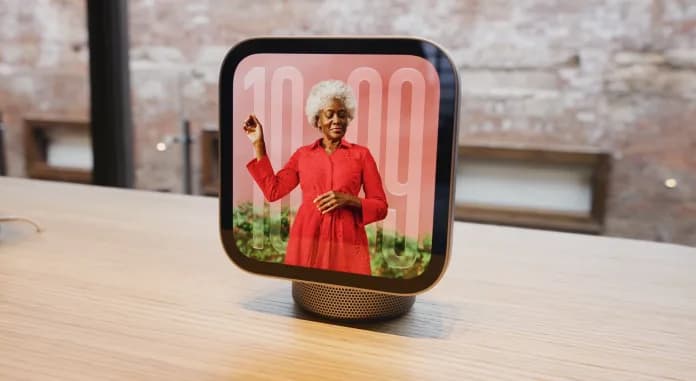
Apple HomeView price in India: Rs 39,900 for smart home hub with Siri AI and 7-inch screen
Apple HomeView is now official — and it’s priced at Rs 39,900 in India for both the tabletop and wall-mounted models. Pre-orders opened Sunday, October 13, via Apple’s website and Apple Store app. The device ships November 13 in India and other initial markets.
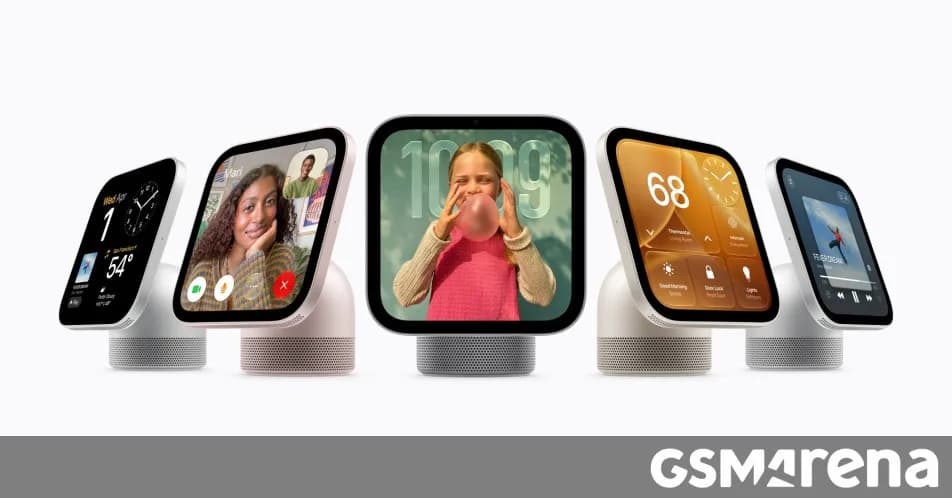
Apple Unveils HomeView Smart Display With A18 Chip and Siri AI
Apple has introduced the HomeView smart display, pairing an A18 chip and Siri AI with a 7-inch square screen for $299 ahead of a November 13 release.
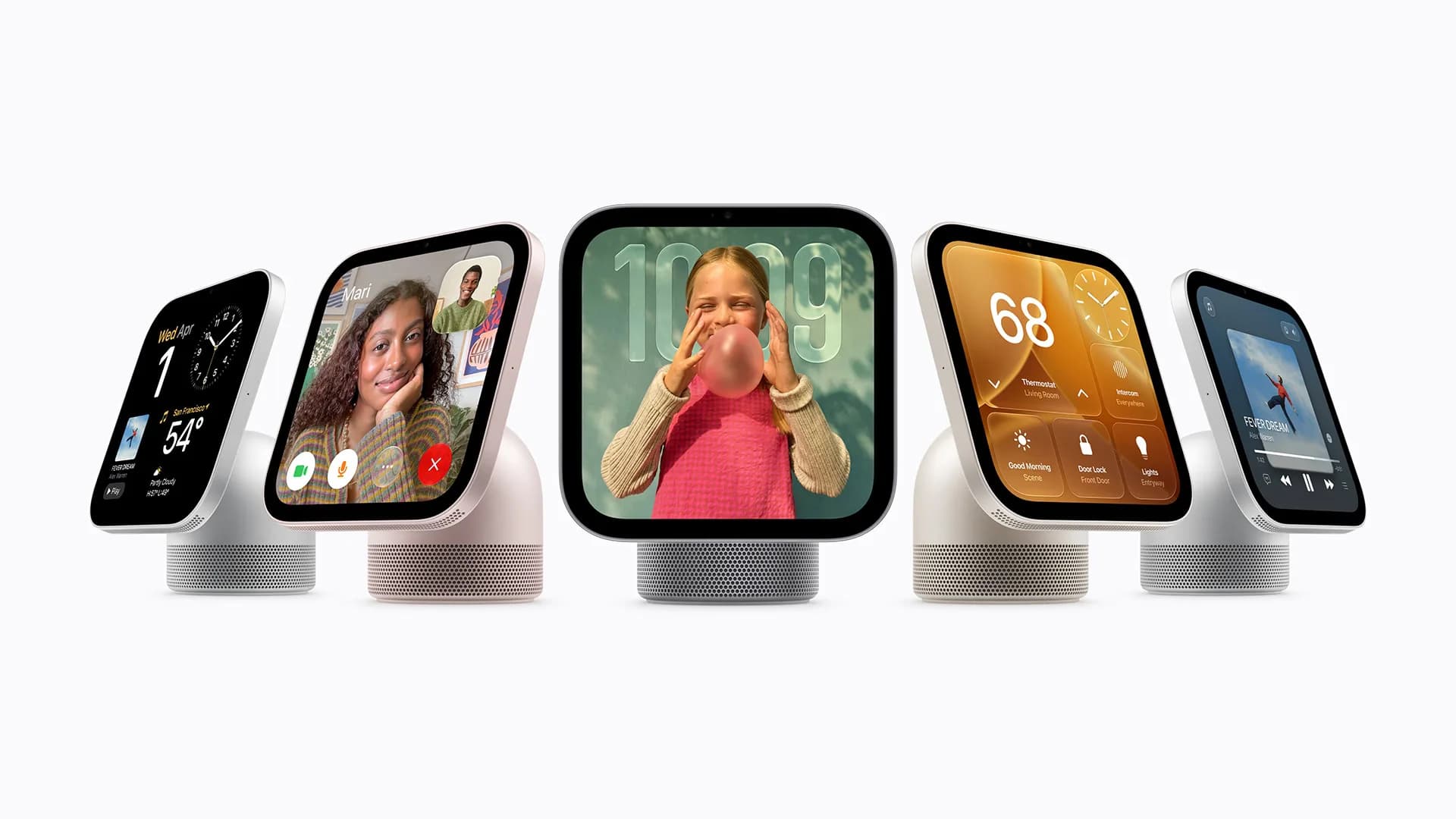
Apple TV 4K Siri AI and HomeView price: $299, available October 13
Apple HomeView launches at $299 — and Siri AI is coming to older Apple TV 4K models too, starting today.
Be the first to comment
Join the argument. No password, just your email or a passkey.