Apple has launched the fourth-generation Apple TV 4K — and priced it at $300 in the US, Rs 24,990 in India — with no lower-tier model remaining. The device ships with 128GB of storage, Wi-Fi and Ethernet, and drops the previous 64GB, Wi-Fi-only variant entirely. It goes on sale Friday, October 18, and arrives in stores and online October 25. Apple confirmed the launch date and pricing in a press release issued Tuesday, October 15. The same day it filed regulatory documents for the new hardware in India and the US. The Verge reported the $300 price and 128GB configuration before the official announcement, citing Apple’s website update. The Indian price was listed on Apple India’s site as Rs 24,990, matching the previous generation’s launch price adjusted for inflation, but now applied to a single, more expensive SKU. No UK or European pricing was disclosed in the sources. No mention was made of a 256GB option, nor of any regional variants beyond what’s confirmed for the US and India. The device is branded simply Apple TV 4K, not “Gen 4” or “2026 model” in official materials. Though reviewers and retailers are already using “fourth-gen” to distinguish it from the 2022 model. Apple did not issue a separate press event or keynote. The launch was handled via web update and regulatory filings, consistent with how it rolled out the 2022 model. The Verge noted the timing: four years since the last refresh, making this the longest gap between Apple TV 4K generations to date. That wait raised expectations. Especially among home theater users who’ve long asked for audio passthrough, HDMI input, optical audio out, and 4K/120Hz video output. None of those features made it in. Instead, Apple added a dedicated AV1 decoder (for Netflix and other compatible apps), far-field microphones for hands-free Siri, and Find My support for the Siri Remote. The remote itself remains unchanged in design, same aluminum body, same touch surface, same battery compartment. But now pairs automatically with the new box and appears in Find My if lost. The chip inside is faster than the A12 Bionic in the 2022 model, though Apple hasn’t named it publicly. The Verge called it “more processing power” without specifying architecture or benchmark gains. What’s missing matters most to a specific group: people with high-end AV receivers and speaker systems. They still can’t send Dolby Atmos or DTS:X bitstreams directly to their gear. Apple continues to use its proprietary Continuous Audio Connection instead, a software layer that decodes audio internally, then re-encodes it for output. That causes compatibility hiccups with some receivers, especially during format switching or when using lossless audio sources. The lack of 120Hz output also blocks Moonlight and other game-streaming setups from hitting full frame rates. A gap Amazon Fire TV and select Android TV boxes have already filled. For mainstream users, the upgrades are modest: better voice recognition, slightly faster app launches, smoother scrolling in Photos and Apple TV+, and improved streaming efficiency where AV1 is supported. But $300 is double what Roku Ultra or Fire TV Stick 4K Max cost, and triple the price of many mid-tier Android TV boxes. In India, Rs 24,990 puts it well above the ₹14,999 Fire TV Stick 4K Max and ₹17,999 Chromecast with Google TV 4K. Apple’s pitch remains ecosystem cohesion: clean AirPlay, HomeKit integration, and privacy-first design. But the Verge’s review makes clear the trade-off: premium pricing without premium home theater plumbing. That leaves the new Apple TV 4K in a narrow lane. Aimed squarely at users who already own multiple HomePods, want tighter Siri integration, or prioritize privacy over raw AV flexibility. It does not compete on specs or value with the broader streaming market. And it doesn’t fix the biggest complaint from the last four years. Apple says the device ships with tvOS 18.1. No firmware rollout schedule was given beyond “available at launch.” The next major update, tvOS 18.2. Is expected in November, but Apple hasn’t confirmed feature additions. Meanwhile, Apple Intelligence remains absent from the Apple TV platform entirely. Neither source mentions AI features arriving on the new box, and neither confirms whether Siri AI will ever land there. The Next Web’s report focuses exclusively on iOS, iPadOS, and macOS. The Apple TV runs a separate OS stack, and no timeline or roadmap for Apple Intelligence on tvOS was provided. So for now, the fourth-gen Apple TV 4K is a faster, pricier, more connected version of what came before. With the same gaps, same constraints, and same audience: loyalists willing to pay for polish over ports.
Apple TV 4K 2022 successor launches at $300
$300. No audio passthrough. No 120Hz. Just one model: 128GB, Wi-Fi + Ethernet. The fourth-gen Apple TV 4K is here — and it’s all about ecosystem lock-in, not home theater muscle.
The Gadgets Desk · (3 hours ago)

Reported from
How this story was made
Written by the Hitechreports desk from the reporting credited above, with facts attributed to their original publishers. We do not test devices ourselves; anything about performance, battery life or cameras comes from the outlets that did. Prices are as reported at the time of writing. Editorial policy · Report an error
Filed by The Gadgets Desk
Audio, wearables, cameras, tablets, chargers and every other device worth carrying or plugging in.
More from this desk →Read next
More Gadgets →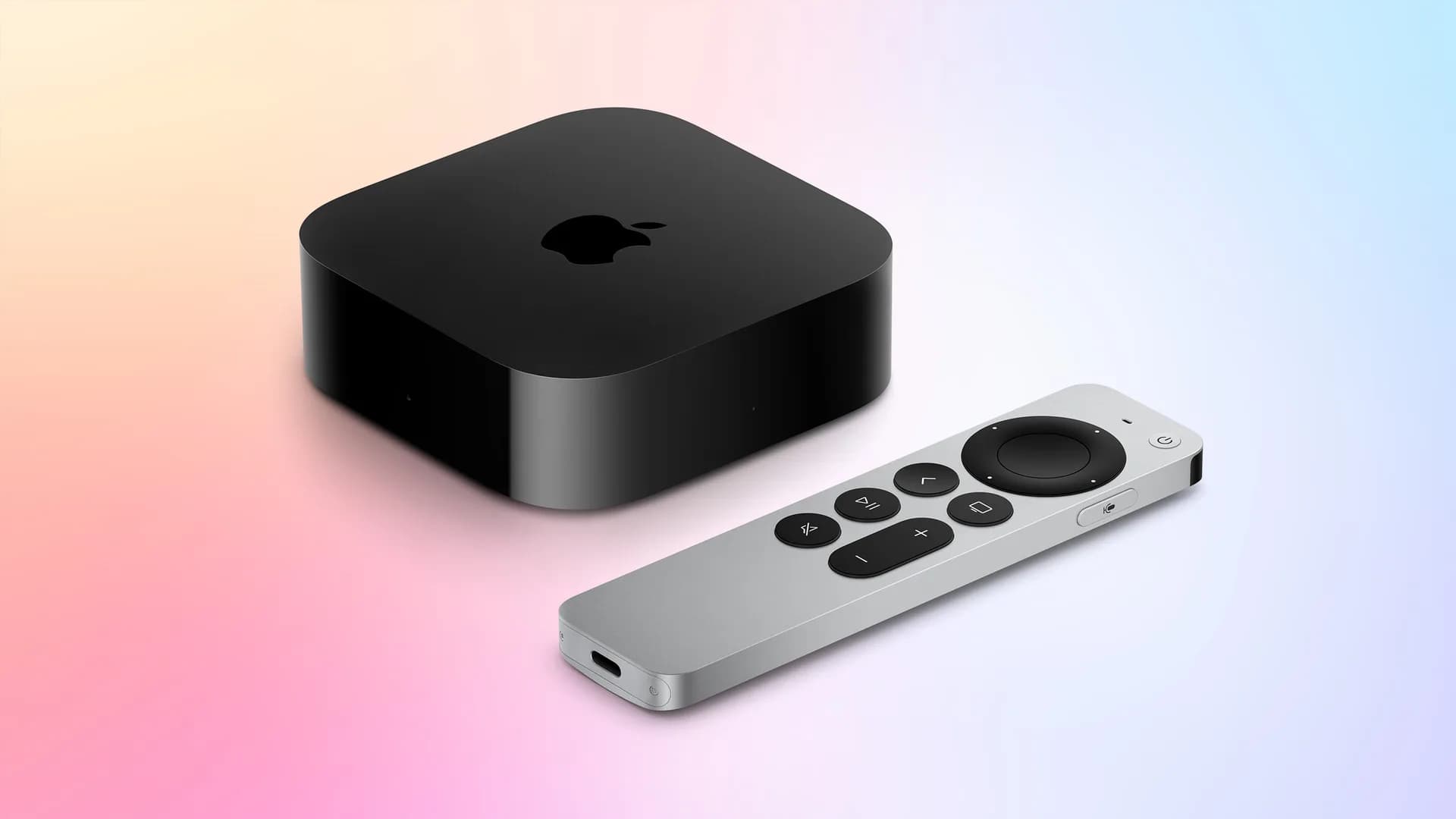
Apple Limits Siri AI on Home Devices to Newer Hardware and Eight Countries
Apple has clarified how Siri AI works across smart living spaces, confirming the original HomePod mini is cut off while requiring an Apple Intelligence phone or tablet to turn features on.
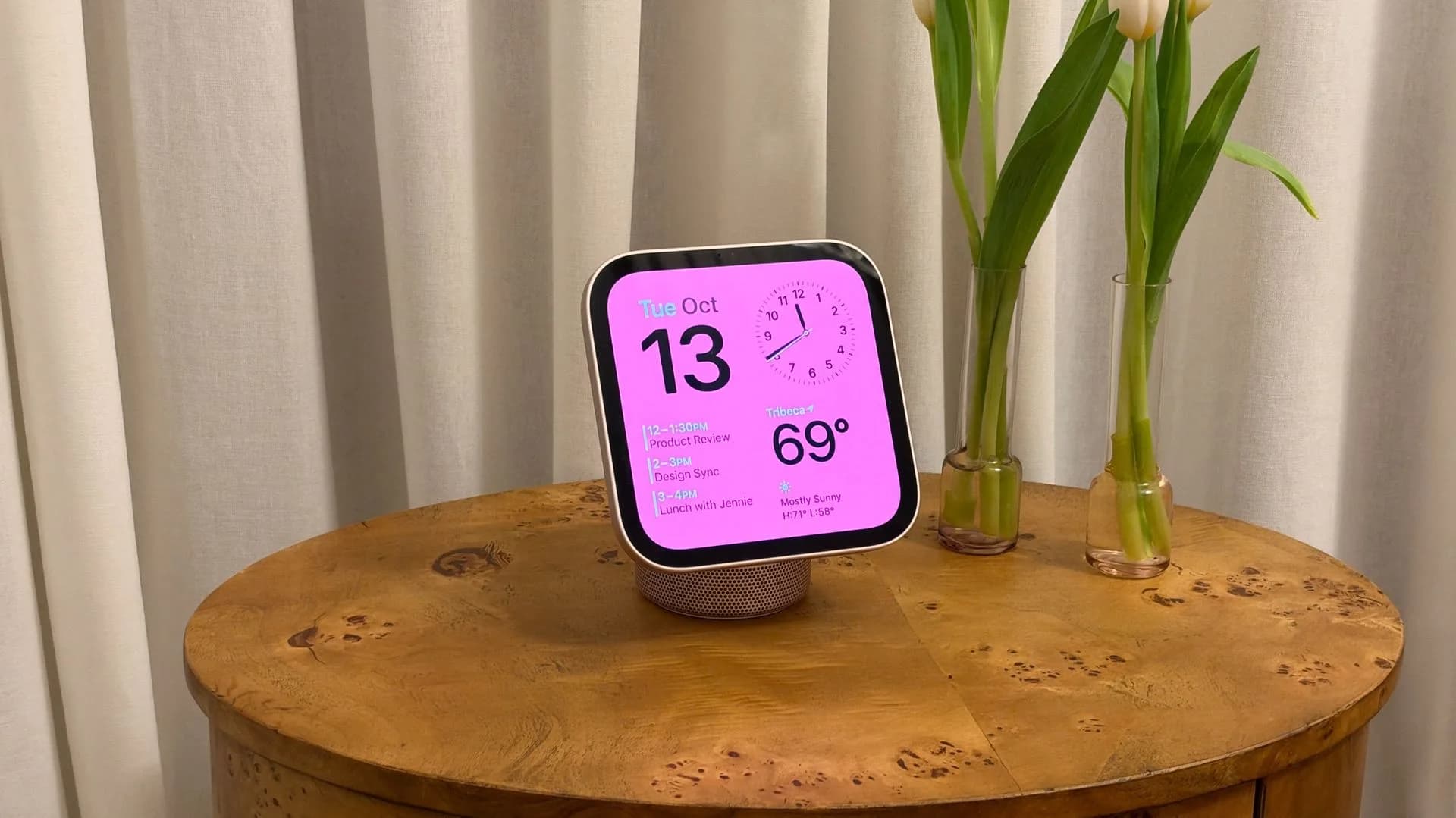
Apple HomeView Is Live: Its First Smart Display, With Six-Person Recognition and No App Store
Apple HomeView is real. It’s Apple’s first smart display, announced and demoed this week—not as a concept or teaser, but as a shipping product with pricing, variants, and a clear role: a stationary, ecosystem-native hub for homes already built around iPhone, HomePod, and Apple TV.
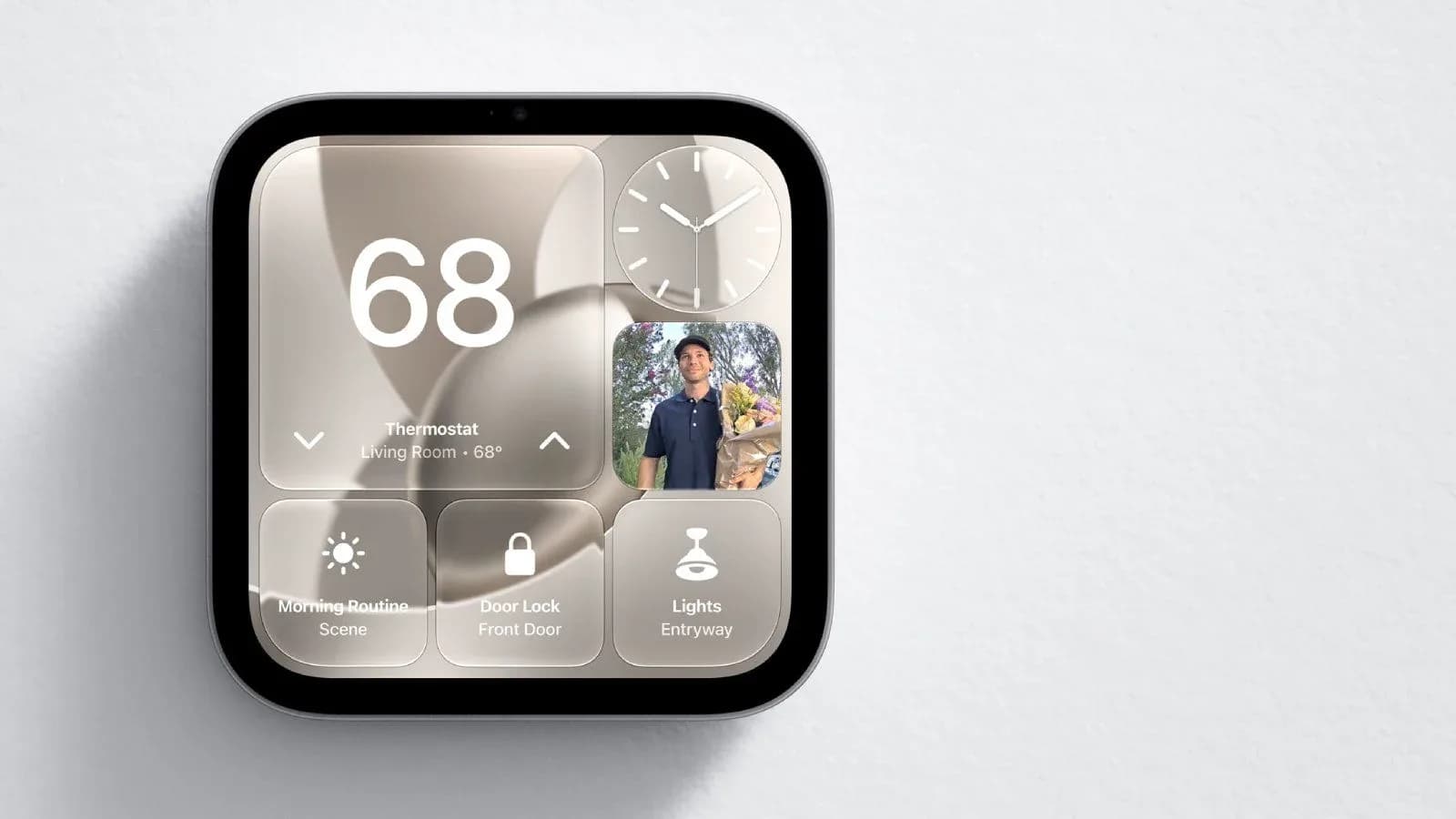
Apple Partners With ADT to Install HomeView Smart Displays
Apple has teamed up with ADT to provide professional installation for its new wall-mounted HomeView smart display and compatible smart accessories across the United States this autumn.
Be the first to comment
Join the argument. No password, just your email or a passkey.