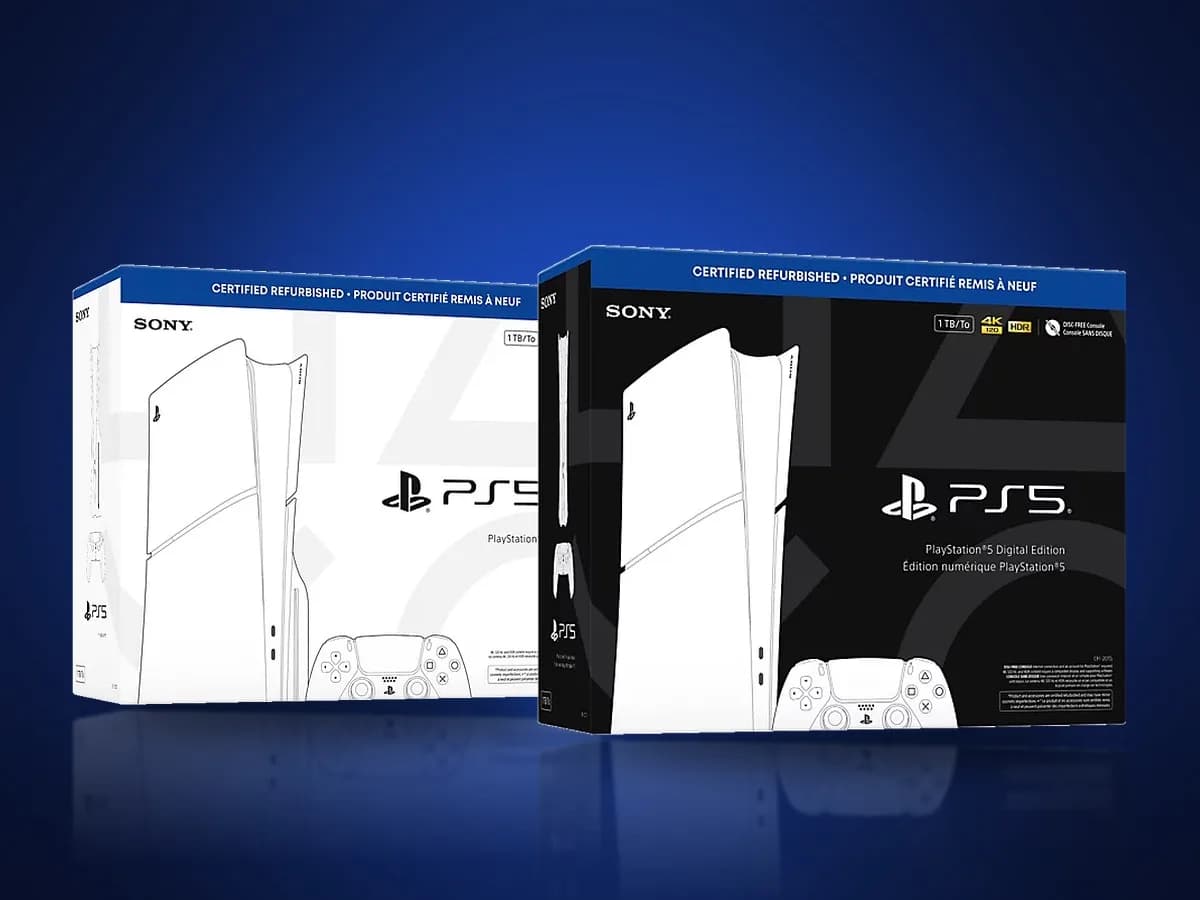
If you already own a PlayStation 5 and have never bothered plugging in a separate streaming box, there's a case for reconsidering. A comparison of the two devices for watching Netflix, Disney+ and other services lands clearly in Apple's favor, even though Sony's console can run the same apps.
The gap starts with HDR. PlayStation 5 supports only HDR10, the baseline high-dynamic-range format, and it doesn't do frame rate matching, the trick that lets a display switch refresh rates to match whatever you're watching so playback doesn't stutter. Apple TV 4K supports HDR10 as well, but it adds Dolby Vision, HDR10+ and HLG, covering nearly every HDR flavor a streaming service might throw at a screen.
Power draw tells its own story
The numbers on electricity use are stark. Apple TV 4K pulls up to 2.36 watts while streaming a 4K HDR movie and drops to around 0.48 watts in standby. A base PlayStation 5 can draw up to 220 watts during active use and roughly 1.3 watts even when it's powered off but still plugged in. For anyone streaming for hours a day, that difference adds up on an energy bill in a way a gaming console, built for a very different job, was never designed to avoid.
Software is the other divide. TvOS is built around a single task: get you into a show fast. The PlayStation 5's dashboard, by contrast, is a system built for games first, with streaming apps sitting alongside trophies, settings and a storefront. Both the third-generation Apple TV 4K, with Wi-Fi, Ethernet and 128GB of storage, and the PlayStation 5 include gigabit Ethernet, so a wired connection is an option on either if your router sits nearby.
None of this makes the PlayStation 5 a bad streaming device. It handles most major apps, and plenty of households already have one sitting under the TV, which makes buying a second box feel redundant. But the comparison suggests the console's entertainment features are a bonus layered on top of its real job, not the reason it exists.
Apple's newer, fourth-generation Apple TV adds an A19 chip, an AI-assisted Siri and deeper Find My integration, though the picture and audio output stay the same as the outgoing model. It also costs more than double what the original 2022 version did, which makes the case for an upgrade weaker unless the extra processing power or AI features specifically matter to you.
For anyone still deciding between a current PlayStation 5 and a dedicated streamer, the practical answer depends on how the box gets used day to day. Gamers who stream occasionally may not notice the gaps. Households that stream constantly, and watch the electricity meter, have a clearer case to add an Apple TV 4K alongside the console rather than relying on it alone. Whether Sony changes any of this when a PlayStation 6 eventually arrives remains, for now, unannounced.
HTFiled by The Home Tech Desk
TVs, home appliances and the smart home: refrigerators, washing machines, air conditioners, purifiers, robot vacuums, the sets on the wall and the platforms that connect them. Launches, prices in the US and India, and what changed.
More from this desk →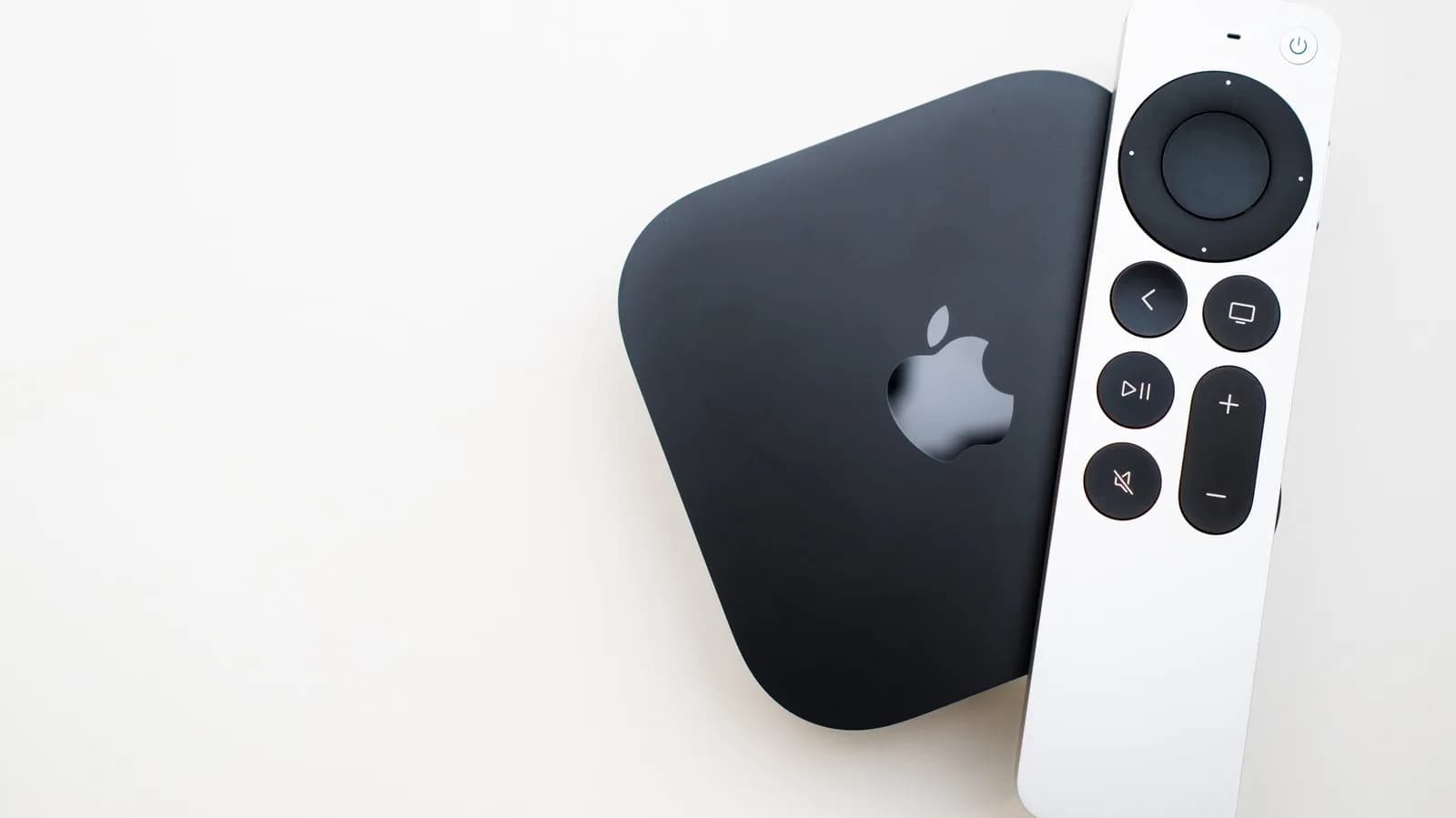
Be the first to comment
Join the argument. No password, just your email or a passkey.