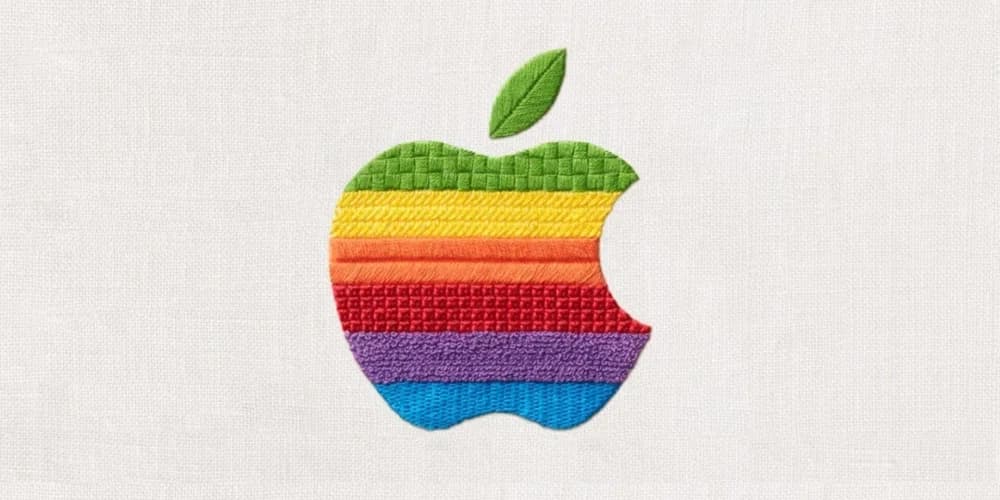
Apple’s October 13 ‘Welcome home’ event confirms its biggest smart home push yet — but not with Apple-branded cameras or locks. Instead, it’s betting on tighter hardware-software control through partnerships, refreshed core devices, and a long-rumored display hub that could redefine how Apple Home works in practice. The event lands just four days after the iPhone Duo and iPhone 18 Pro launched, and it’s squarely aimed at people who already own those phones, an Apple Watch Series 12, or an AirPods 5, and now want their homes to catch up. Not a new category launch like Vision Pro, but a coordinated upgrade across what Apple already sells. And what it’s now co-engineering with others. The headline isn’t ‘new gadgets’. It’s ‘new control’. And it starts with three things: updated HomePod mini and Apple TV 4K models, a first-of-its-kind Home Hub with a display, and LG- and Schneider-branded accessories built explicitly for Apple Home, not just Matter-certified, but deeply integrated. Apple hasn’t confirmed any of this publicly beyond the date and teaser. But code references, regulatory filings, and Bloomberg reporting all point to the same lineup. The HomePod mini refresh is all but certain. AppleInsider notes internal code references new colors. Powder Pink and Forest Green replacing Yellow and Orange, plus a chip upgrade likely bringing Siri AI support and new audio modes including surround sound and ‘Party Mode’. No redesign. Just smarter, quieter, more responsive. Same goes for the Apple TV 4K. Expect a move to the A19 or A19 Pro chip, possibly with 8GB or 12GB of RAM and Apple’s N1 networking chip. That’s not about faster streaming. It’s about running local AI inference for voice commands, scene-aware automation, and real-time device coordination. Without relying on the cloud. The Siri Remote may get UWB or Find My integration, though details remain thin. Then there’s the Home Hub, referred to by TechRadar as ‘HomePad’, and described across sources as half a HomePod with a display attached, or a wall-mountable unit with magnetic mounting. It will run a new OS layer, borrow interface ideas from Apple Watch (including customizable ‘faces’ and complications), and use on-device AI or proximity sensing to personalize what appears on screen. Notifications, calendar events, photos, FaceTime calls, based on who’s nearby. Privacy isn’t bolted on. It’s baked in via user identification tied to nearby iPhones or wearables. No camera specs are confirmed, but FaceTime capability is expected. This isn’t Amazon’s Echo Show or Google’s Nest Hub. It’s designed to be invisible until needed. Then instantly personal. On the accessory side, Apple isn’t launching its own cameras or thermostats this time. Instead, it’s enabling them through partners. Bloomberg reports Apple co-designed seven LG devices: a wired video doorbell, smart deadbolt lock, thermostat, temperature sensor, indoor camera, outdoor camera, and floodlight camera. All will carry LG branding, but include Apple-specific engineering and features, like Thread + Bluetooth LE connectivity, proximity-based wake-up, and deep HomeKit integration. Regulatory filings confirm the deadbolt (Graphite/Silver, four AA batteries), thermostat (24V AC, Thread/BLE), and temp/humidity sensor (magnetic mount, replaceable battery). Schneider Electric also appears in iOS 27.2 code under ‘_secondPartyProducts’, with identifiers for a thermostat, QA variant, temperature/humidity sensor, and an unnamed accessory. Its upcoming acquisition of Shelly Group. Expected to close Q1 2027, adds strategic weight to this collaboration. These aren’t generic Matter devices. They’re Apple-tuned. Like Adaptive Temperature, which adjusts HVAC based on occupancy and sleep state, or Thread Direct, which lets compatible iPhones control Eve plugs without a hub. Features that shipped before full spec adoption. Apple’s play here is vertical alignment: software features arrive when the hardware is ready, and hardware arrives when the software can make it meaningful. Pricing and availability haven’t been disclosed. Apple has not announced US or Indian prices for any of these devices. The event streams globally on October 13, Apple Park prerecorded, with press in New York City. And rollout will follow shortly after. What comes next? A test of whether Apple’s privacy-first, ecosystem-deep approach can finally make smart home tech feel less like managing devices and more like living in a space that knows you, without ever needing to ask.
Apple Welcome home event October 13: HomePod mini, Apple TV 4K, Home Hub, LG and Schneider
No new cameras. No Apple-branded locks. Just deeper integration, smarter hubs, and LG- and Schneider-made accessories built for Apple Home — all arriving October 13.
Get this deal
Apple Welcome home event October 13: HomePod mini, Apple TV 4K, Home Hub, LG and Schneider
Buy on AmazonPaid links. As an Amazon Associate, Hitechreports earns from qualifying purchases. Prices change; the story gives the price as reported when it was written.
By Living Room
The Home Tech Desk · (1 hour ago)
Get this deal
Apple Welcome home event October 13: HomePod mini, Apple TV 4K, Home Hub, LG and Schneider
Buy on AmazonPaid links. As an Amazon Associate, Hitechreports earns from qualifying purchases. Prices change; the story gives the price as reported when it was written.
Reported from
- The Economic Times — Apple’s ‘Welcome home’ event: Here's what surprising products will Apple reveal at its October 13 smart ho
- Matter Alpha — Apple’s “Welcome home” event could reveal its biggest smart home push yet — with LG and Schneider onboard
- TechRadar — Apple's 'Welcome Home' event will be on October 13 — and I’m very intrigued
- Times Now — Apple Confirms 'Welcome Home' Event On October 13: Smart Home Hub And More Expected
- iPhone in Canada — Apple Confirms October 13 Event as Smart Home Launch Nears
- AppleInsider — What to expect from Apple's October 13 'Welcome home' releases
How this story was made
Written by the Hitechreports desk from the reporting credited above, with facts attributed to their original publishers. We do not test devices ourselves; anything about performance, battery life or cameras comes from the outlets that did. Prices are as reported at the time of writing. Editorial policy · Report an error
Filed by The Home Tech Desk
TVs, home appliances and the smart home: refrigerators, washing machines, air conditioners, purifiers, robot vacuums, the sets on the wall and the platforms that connect them. Launches, prices in the US and India, and what changed.
More from this desk →Read next
More Smart Home →
Apple Sets October 13 Event For Smart Home Hub and Apple TV
Apple has scheduled a living room showcase for October 13 in New York, where leaks point to a six-inch smart hub, an updated Apple TV 4K, and refreshed HomePod speakers.
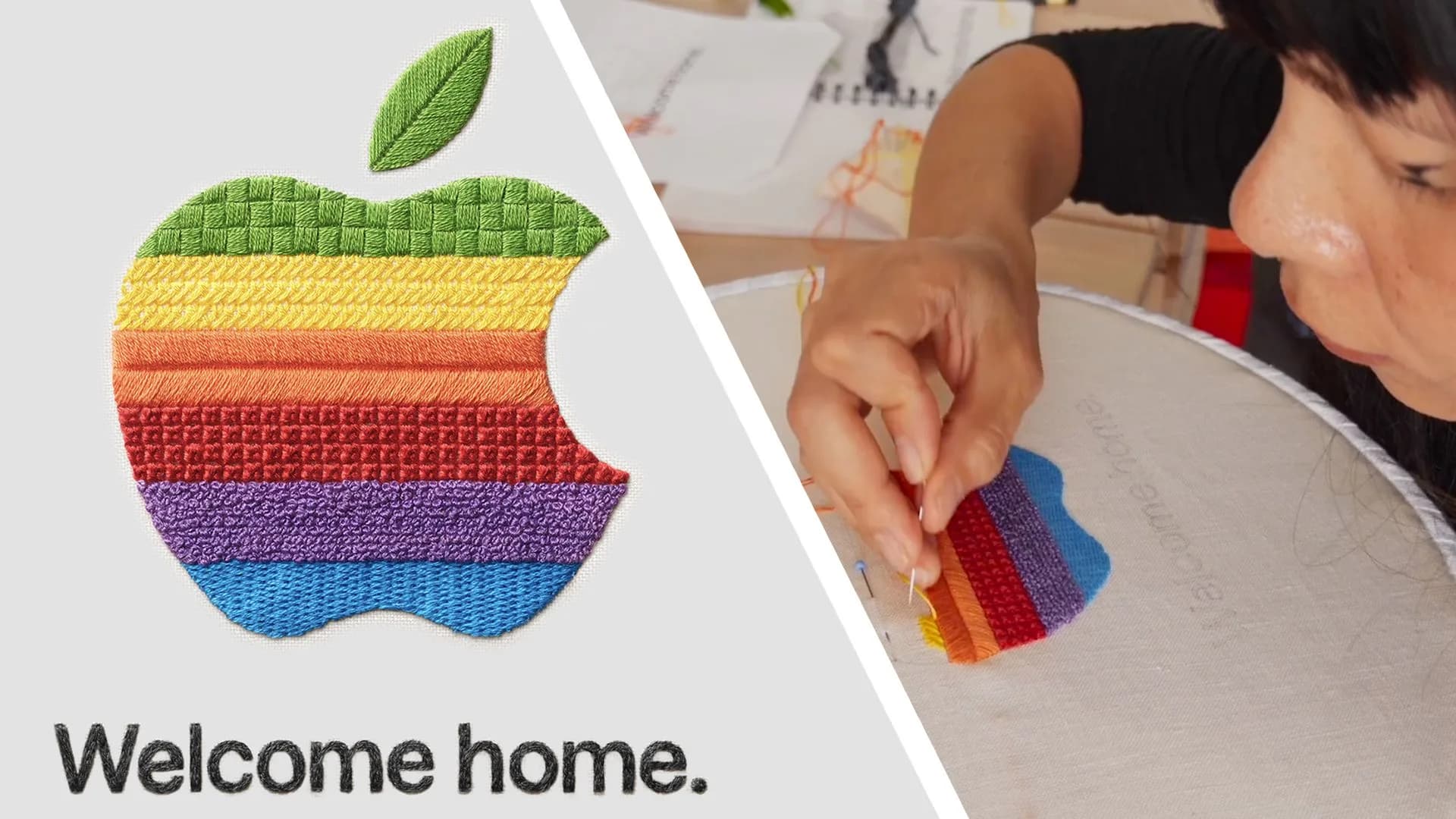
Apple Sets October 13 Event Built Around Smart Home Hardware
Apple has scheduled a 'Welcome home' event for October 13 in Tribeca, New York, with a refreshed Apple TV 4K, HomePod mini and a rumored smart display called HomePad expected to headline the lineup.
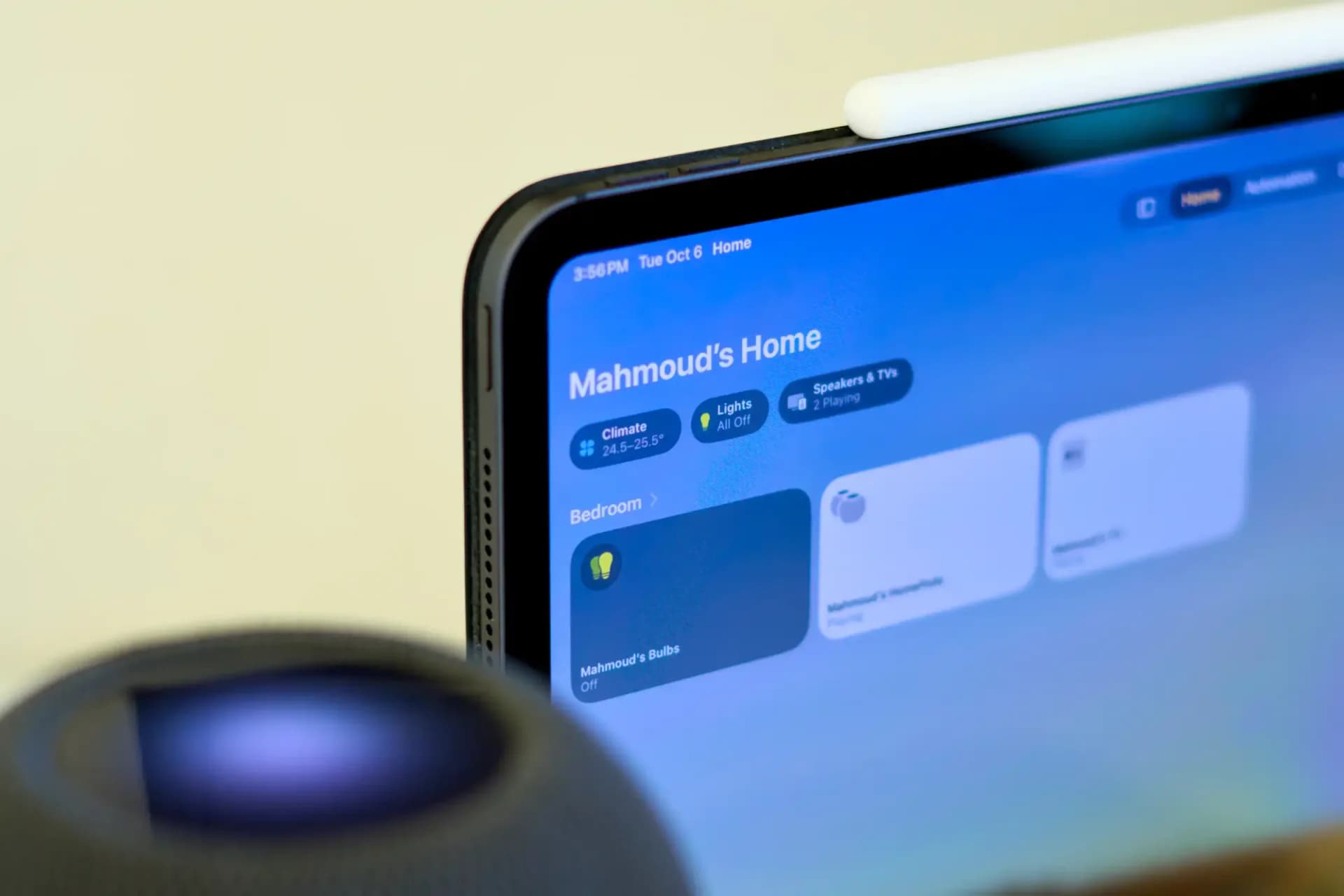
Apple Plans Smart Home Trio With New Display Hub And Apple TV
Apple is tipped to unveil three smart home devices on October 13, including a dedicated 6-inch display hub running homeOS, a refreshed HomePod mini, and an upgraded Apple TV 4K.
Be the first to comment
Join the argument. No password, just your email or a passkey.