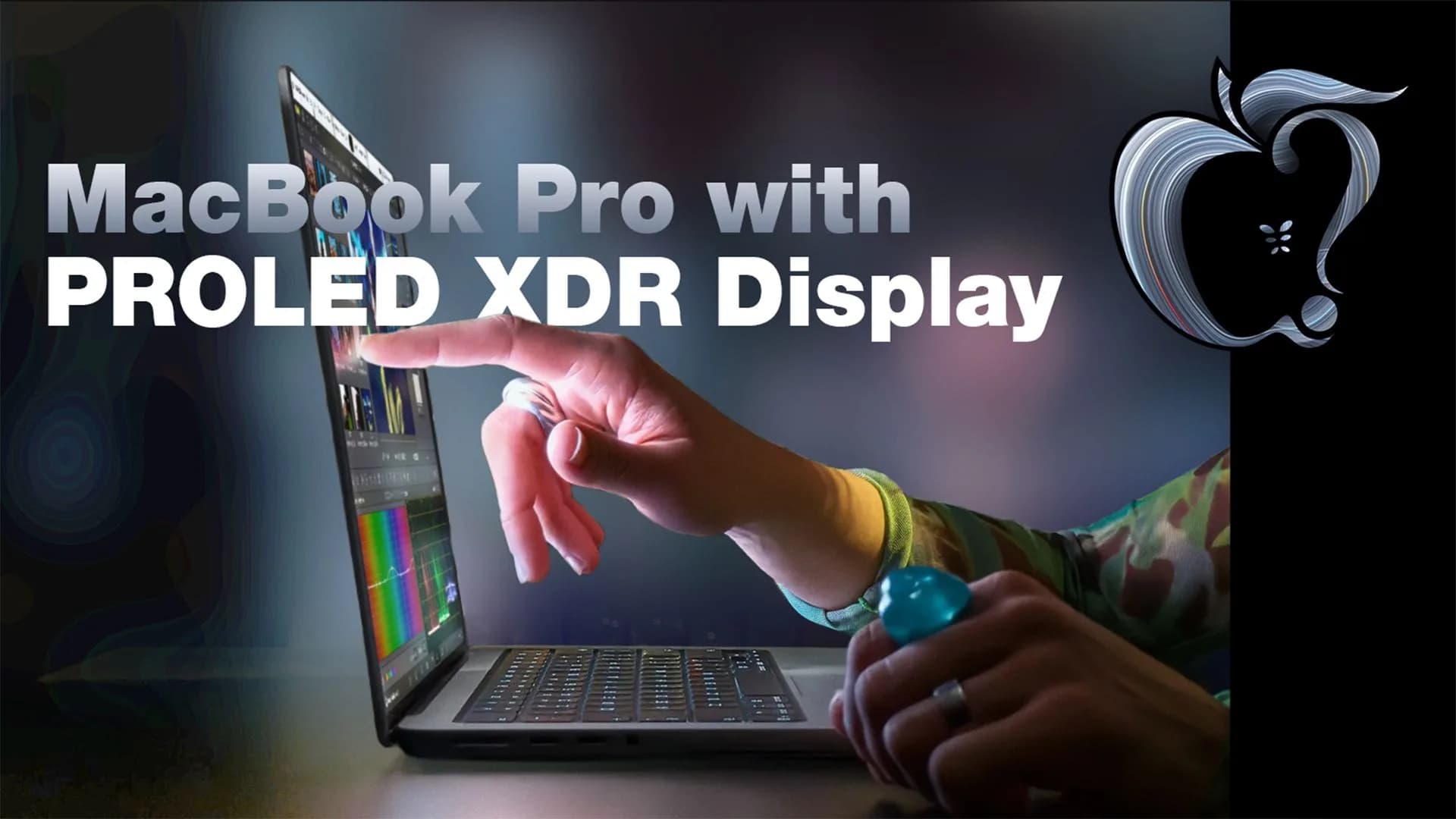
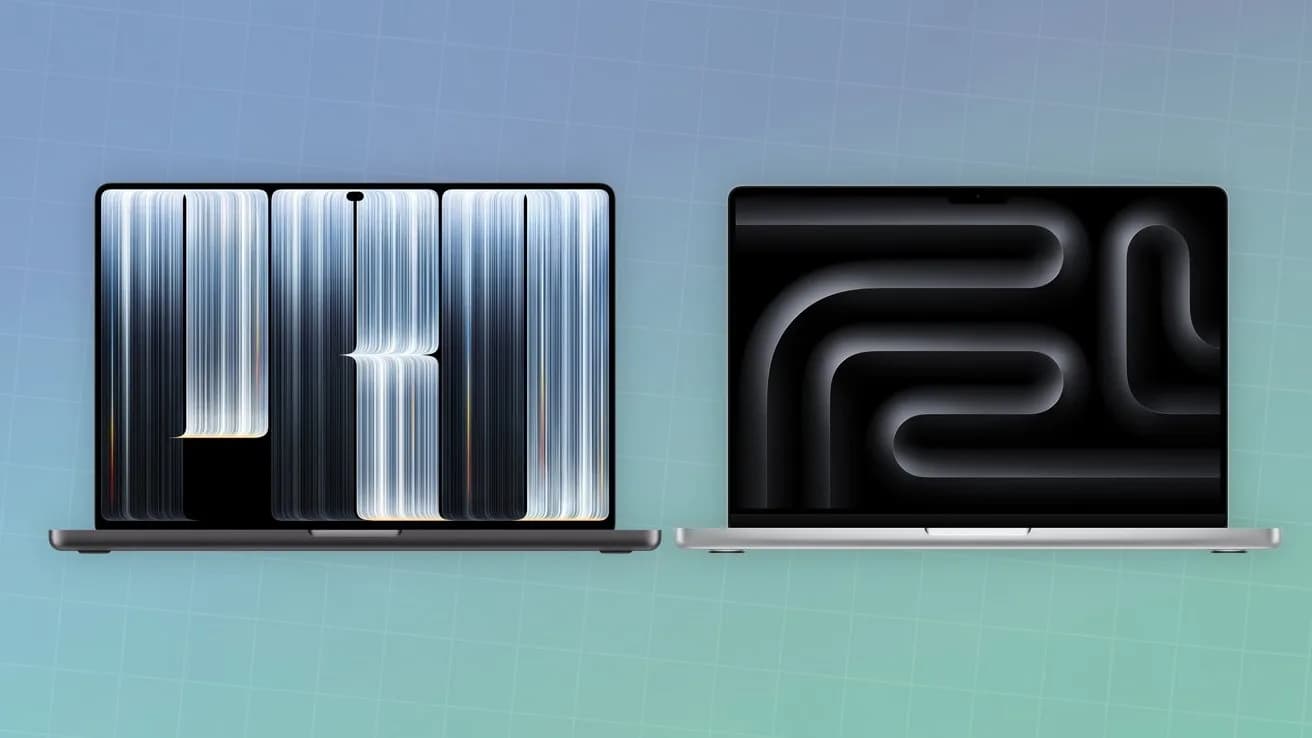
Apple waited over a decade to put OLED in a MacBook Pro. The result, shown at a media event in Los Angeles today, is a tandem OLED panel the company calls PROLED XDR that hits 2,000 nits of peak brightness in both standard and high dynamic range content. OLED laptops have existed for ten years.
You can buy a touchscreen OLED machine for $700. The iPad Pro has used tandem OLED since 2024. Apple's explanation for the delay: it wanted to do it the Apple way. In this case that means a ground-up redesign of the layer stack and manufacturing process that pushes peak brightness past every other OLED on the market. 2,000 nits in SDR and HDR.
Not just in a highlight window. Across the whole panel. Most OLED laptops top out around 300 nits. Premium models reach 1,000 nits — but only in HDR.
The iPad Pro's tandem OLED manages 1,600 nits HDR and 1,000 nits SDR. Apple's new panel sustains 2,000 nits across the board. That number matters because HDR has always forced a trade-off. OLED gives per-pixel control and absolute black.
Mini-LED gives searing brightness. Apple chose Mini-LED for years on the MacBook Pro and Studio Display XDR because it delivered the best HDR performance available. The new panel removes the compromise. You get the contrast of OLED and the brightness of Mini-LED in the same screen.
There is a catch. The screen normally caps at 1,000 nits. An adaptive brightness sensor kicks it to 2,000 nits only outdoors or under harsh lighting. Previous MacBook Pros did this too, but to a lesser degree.
The new machine delivers 400 more nits of SDR brightness out of the box with the ability to crank it to twice as much when conditions demand. The OLED switch also shaves weight. The 14-inch model now weighs three pounds flat, 12 percent lighter than its predecessor, despite using the same aluminum chassis.
Thinner panel materials account for the difference. Mini-LED's blooming, bright areas bleeding into dark ones, disappears with per-pixel control. At the event, HDR clips from Widow's Bay showed detail vanishing into the bezel. Off-axis viewing beat a high-end Windows OLED competitor, which showed rainbow artifacts at extreme angles.
Glare, a perennial OLED weakness, is countered by the raw brightness and what Apple calls a state-of-the-art anti-reflective coating. Almost every laptop uses some anti-reflective coating. The reporter attested this is the very best they have seen. A nano-texture glass option remains available for the toughest environments.
Pricing and ship dates were not disclosed at the briefing. The PROLED XDR panel will also appear on the 16-inch model. Apple's Mini-LED era on MacBook Pro is effectively over.
CDFiled by The Computing Desk
Laptops, desktops, processors, graphics cards and the operating systems that run on them.
More from this desk →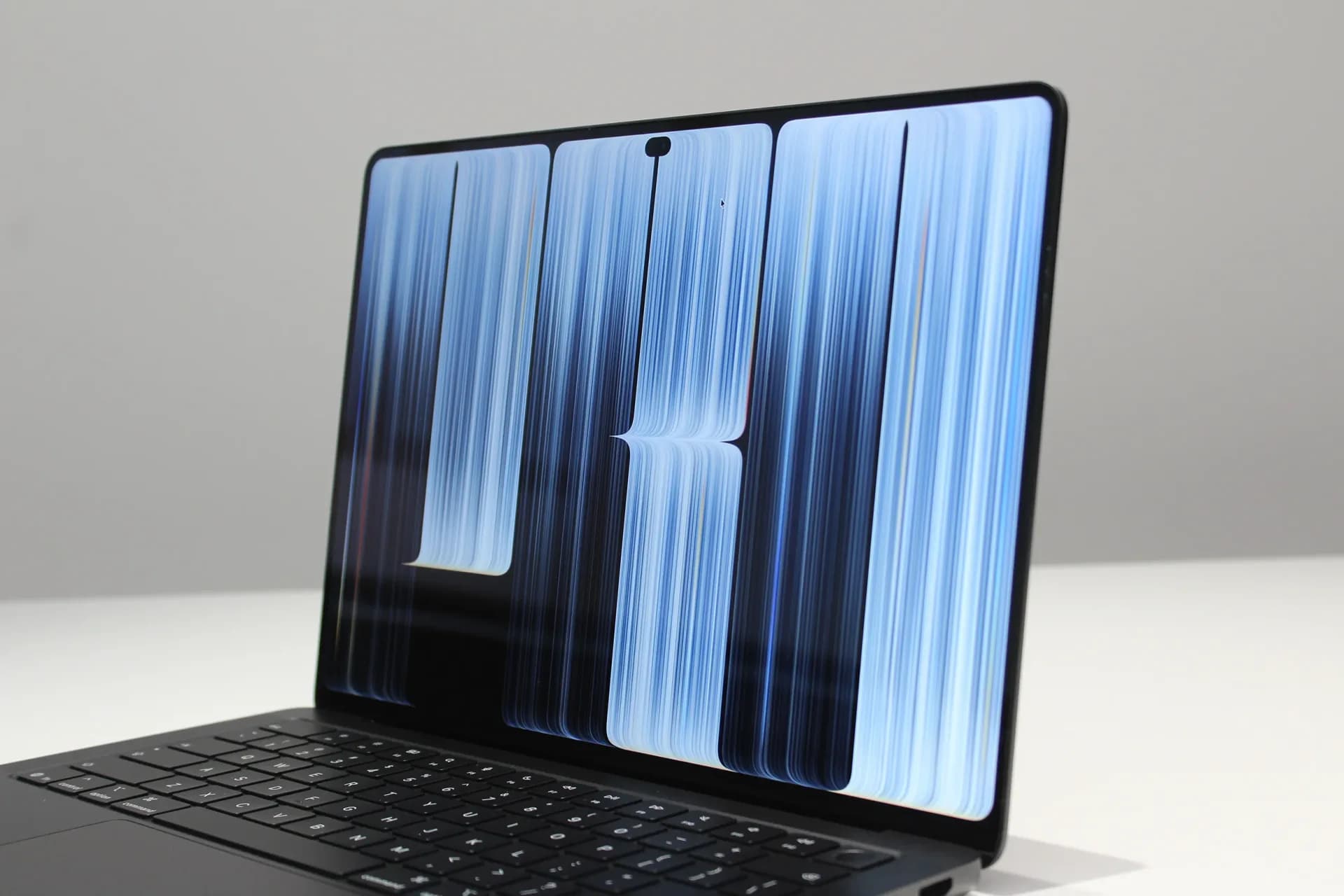
Be the first to comment
Join the argument. No password, just your email or a passkey.