Apple doesn't usually let outsiders compare its hardware directly against a rival's, so when it does, it's worth paying attention to what it picked for the fight.
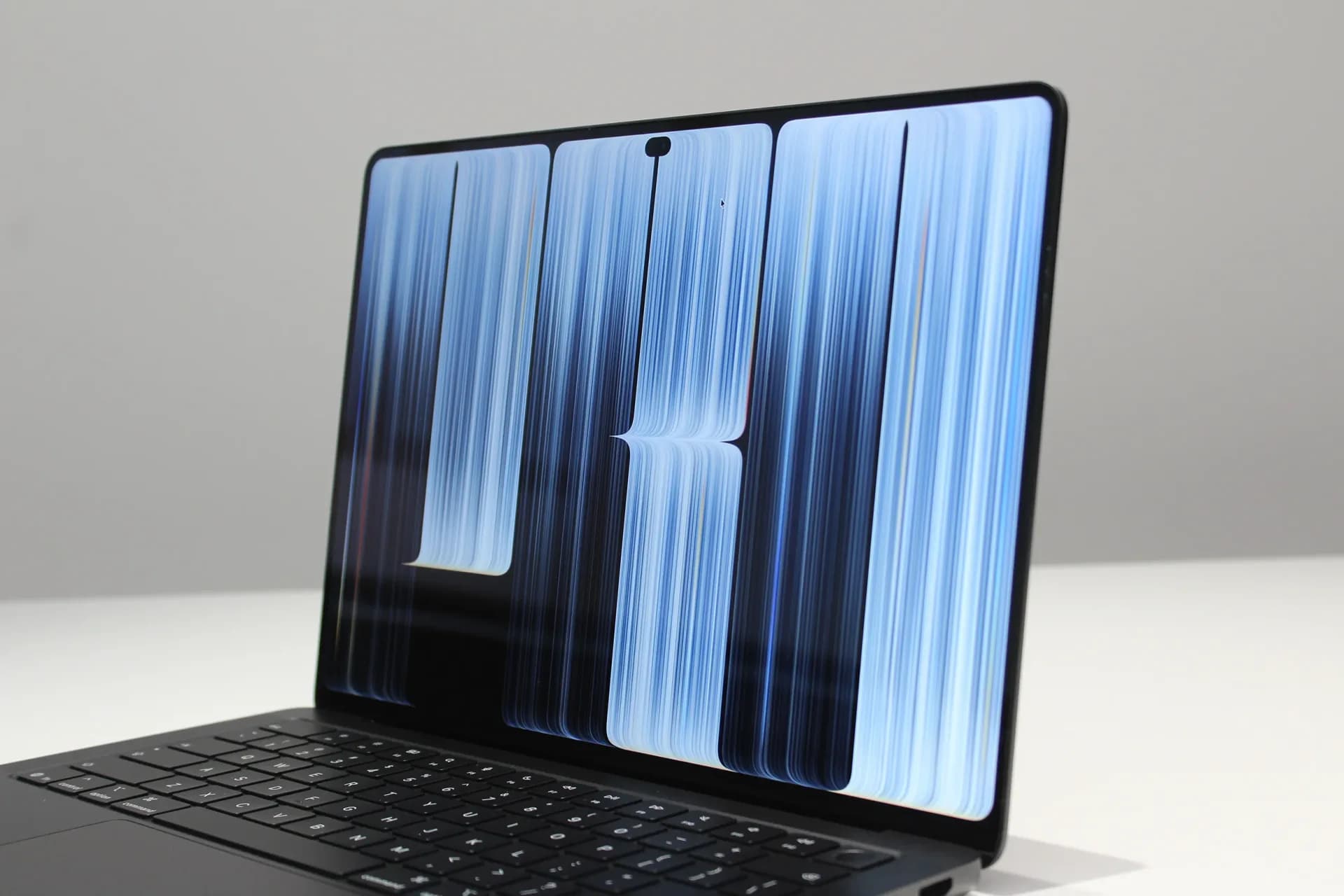
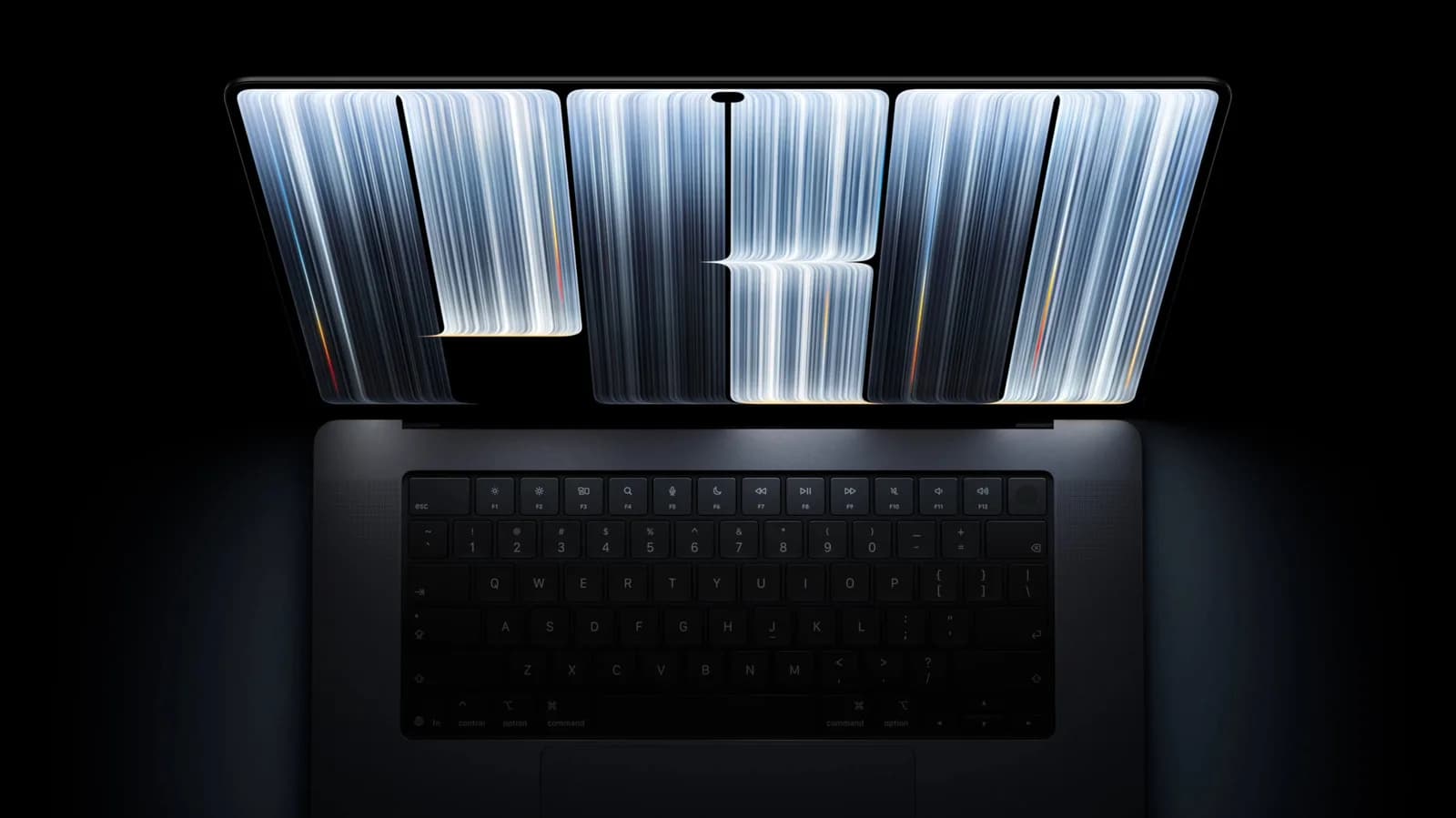
At a briefing last week, the company set its new 16-inch MacBook Pro with a PROLED XDR display next to the Lenovo Yoga Pro 9i Aura Edition, a Windows laptop built around a tandem OLED panel, and let Tom's Guide's Mark Spoonauer look at both. His verdict: the Lenovo didn't hold up.
The two machines are priced close enough to make the comparison fair on paper. The MacBook Pro with PROLED starts at $3,399. The Yoga Pro 9i Aura Edition carries the same $3,399 list price, though it was on sale for $2,699 at the time of the demo.
What the demo actually showed
According to Spoonauer, the first thing that gave it away was off-angle viewing. Looking at a photo straight on, the two screens looked close to identical. Step to the side, and the Lenovo's colors shifted and yellowed while the MacBook Pro held its image steady.
Contrast was the other gap Apple wanted him to see: 10 million to 1 on the PROLED XDR panel against 1 million to 1 on the Yoga's tandem OLED display, by Apple's own figures. In a skyline photo, the Lenovo ran brighter but washed out the sky and blurred the city lights, where the MacBook Pro kept its blacks and kept the lights sharp.
Apple also cranked up the room lighting, a stress test tandem OLED panels are supposed to handle well since they stack two OLED layers to push brightness higher. The Yoga reportedly struggled there, with Spoonauer saying he could see his own reflection in the screen, while the MacBook Pro -- running without its optional nano-texture coating -- showed only minor glare.
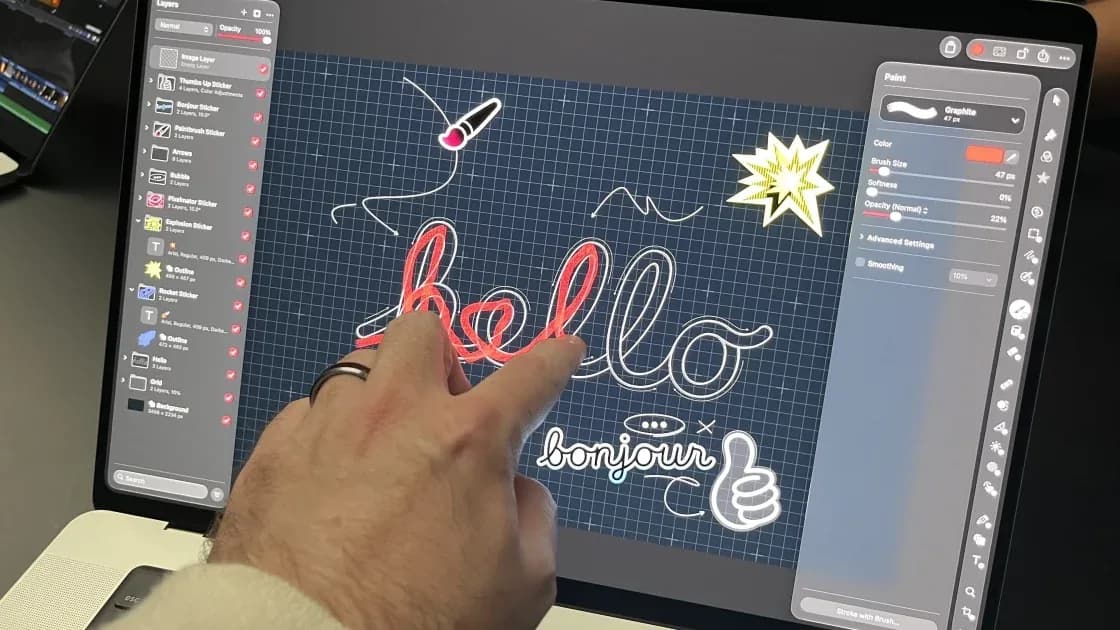
The last comparison had nothing to do with the panel chemistry at all. An Apple rep pressed on both displays with the camera app open to show off hinge rigidity, something that matters more now that this generation of MacBook Pro supports touch input. The Lenovo's screen reportedly wobbled hard enough that the live camera feed looked shaky. Apple's hinge, redesigned for more resistance, barely moved.
The obvious caveat here is that Apple chose the room, the photos and the rival laptop. Spoonauer says as much, calling it "admittedly handpicked" and noting that Tom's Guide hasn't run its own brightness, color and accuracy tests on either machine yet. A company showing its own product winning is not the same as an independent lab measurement, and nothing here has been verified outside Apple's demo room.
Still, tandem OLED has been the pitch for premium Windows laptops chasing brighter, more durable screens, and this is the first time Apple has put its new display up against one in public. Independent reviews of both machines, run without Apple's hand on the dimmer switch, are what will settle whether the PROLED XDR panel actually lives up to the claim.
CDFiled by The Computing Desk
Laptops, desktops, processors, graphics cards and the operating systems that run on them.
More from this desk →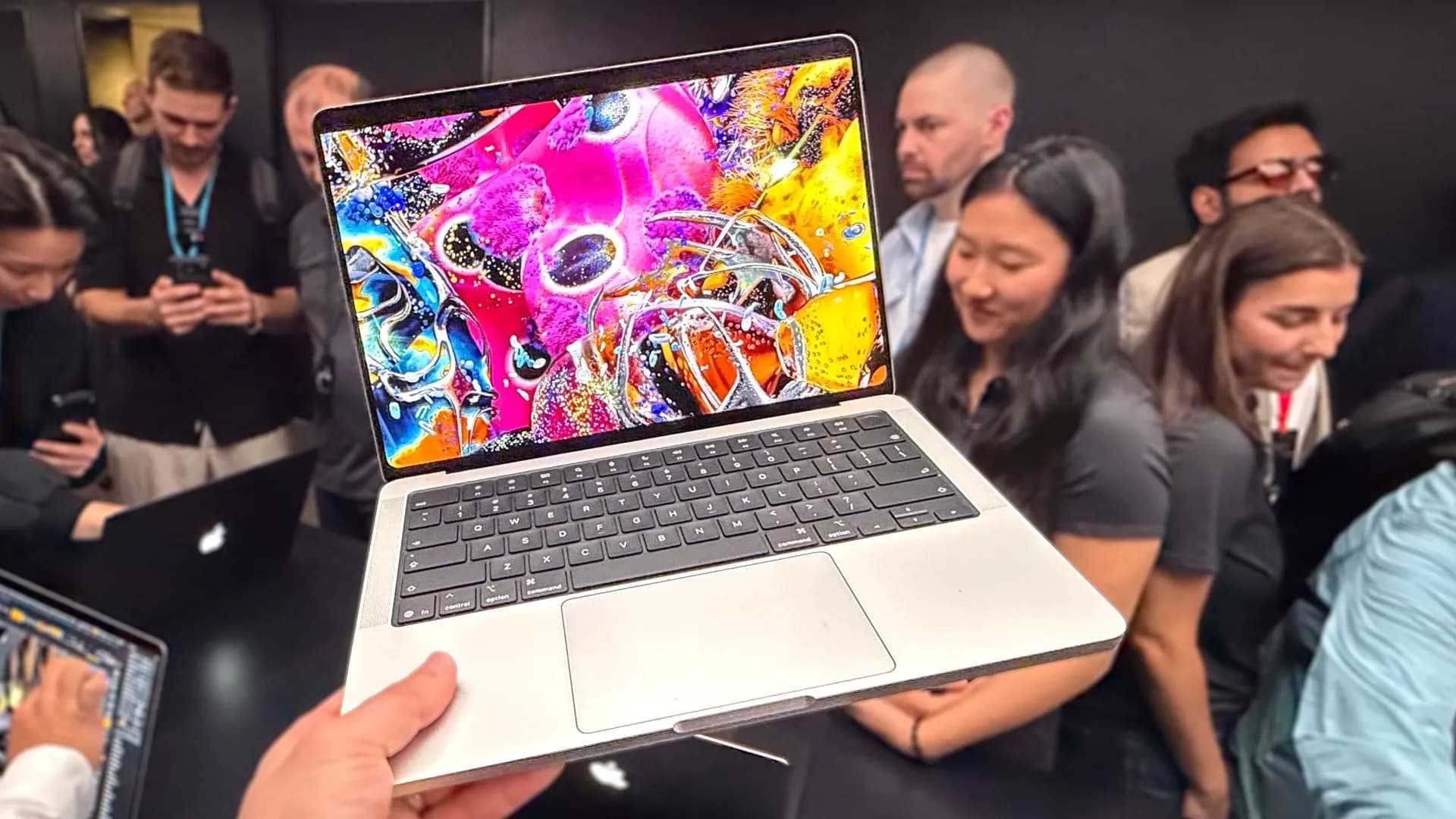
Be the first to comment
Join the argument. No password, just your email or a passkey.