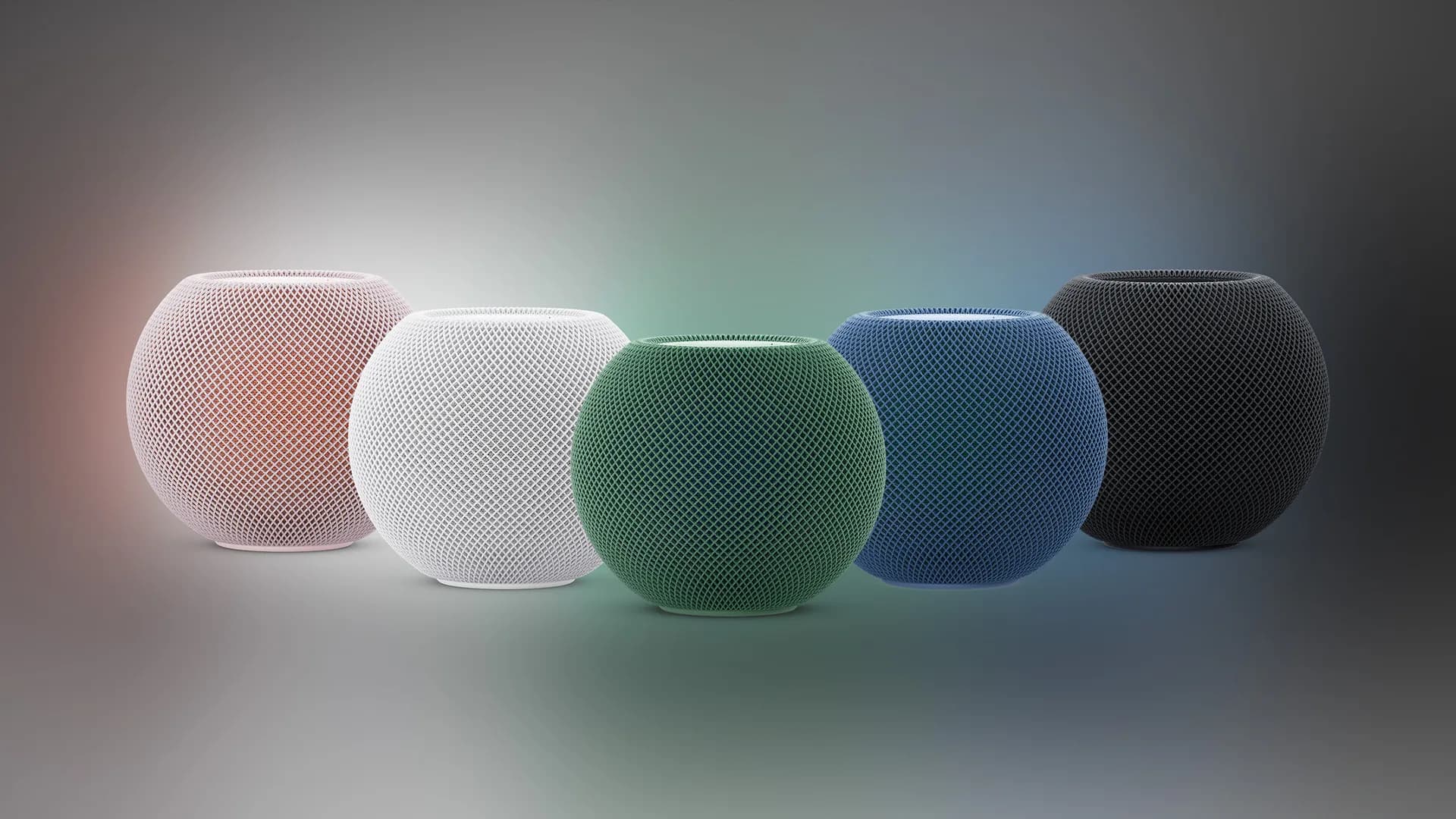
Apple's smart speakers have gotten more expensive without getting any smarter. The HomePod mini now lists at $129 and the full-size HomePod 2 at $349, increases that land awkwardly given that both still run a version of Siri that predates the overhauled Siri AI Apple introduced with iOS 27.
Buy a stereo pair, which Apple pushes as the way to get real bass out of the mini, and you're at $260 before you've touched a smart home feature. A pair of the larger HomePods runs close to $700. The mini has gone six years without a hardware refresh, and rumors of a successor have been circulating, though Apple hasn't confirmed anything.
Meanwhile, the field around it has moved. Sonos put out the Sonos Play in early 2026 at $299, a speaker built for both indoor and outdoor use around a high-excursion mid-woofer and a custom tweeter array, with Trueplay tuning that recalibrates its sound automatically for the room it's in. BGR's own review of the Play praised its sound and called out a hybrid setup that runs Sonos Voice Control alongside Amazon Alexa, letting it handle basic playback commands offline. It also supports more than 100 streaming services directly through the Sonos app, Bluetooth 5.3, a line-in jack, and up to 24 hours of battery life, none of which the HomePod offers outside Apple's own ecosystem.
Cheaper, and arguably more capable
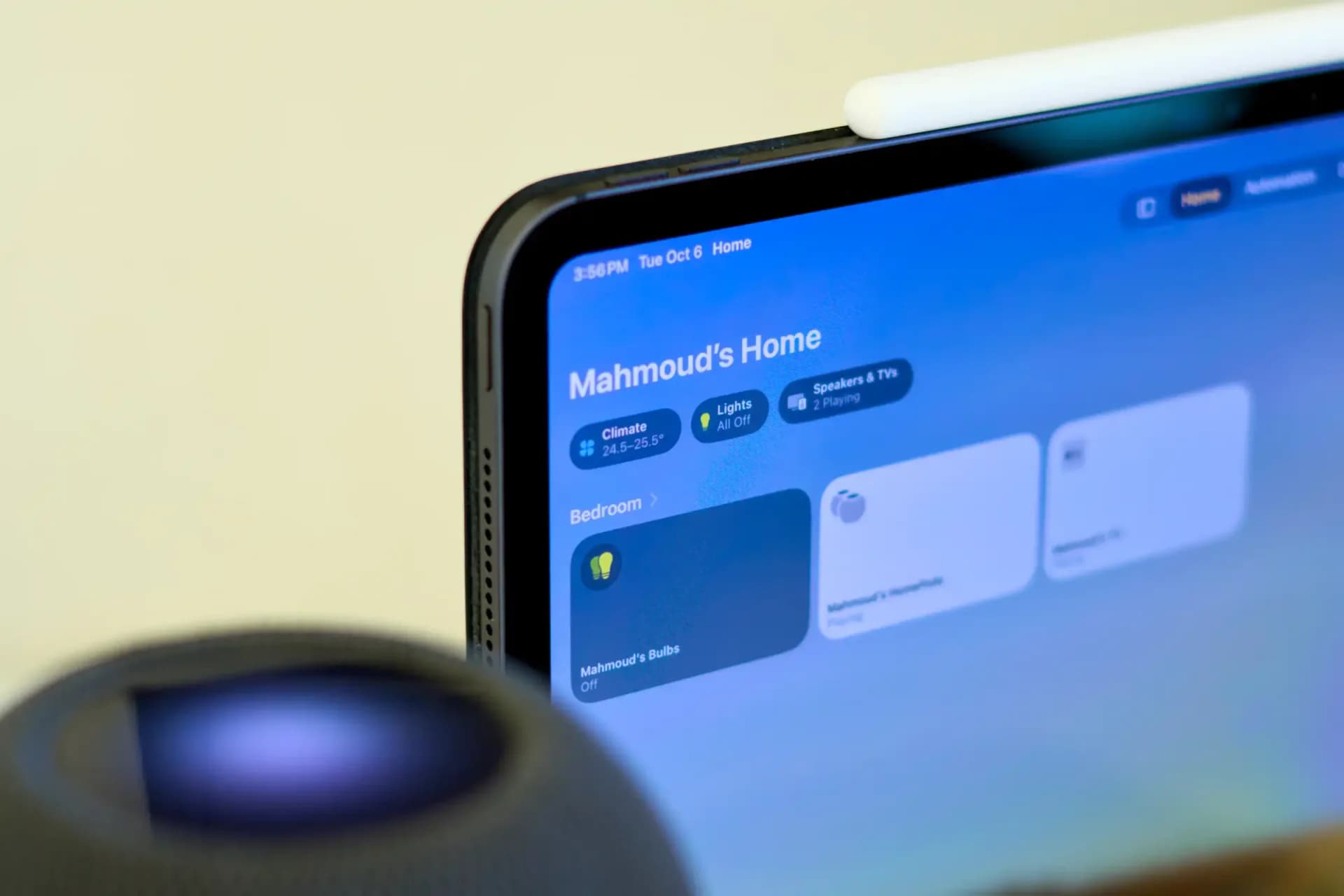
Amazon's Echo Dot Max, released in late 2025 at $119.99, is positioned as the flagship of the Dot line now, with a 0.8-inch tweeter and 2.5-inch long-throw woofer that Amazon says triples the bass extension of earlier compact Echoes. It runs Alexa+, Amazon's generative AI assistant, which handles multi-turn conversations and can act without a strict wake word. Built-in Matter, Thread and Zigbee support turn it into a smart home hub outright, something the HomePod mini can't match without leaning on a separate Apple TV or HomePod as a Thread border router.
Google's Home Speaker, out in mid-2026 at $99.99, undercuts both. It runs Gemini for Home, which Google says can parse conditional commands like turning off lights only if the TV is also off, and it supports Matter and Thread for local control of other devices. It's the cheapest of the three, and the one with the most ground to make up against Alexa's head start on responsiveness, by BGR's account.
None of this means the HomePod is a bad speaker. Apple's hardware still gets credit for sound quality, and AirPlay integration remains tight for anyone fully inside the Apple ecosystem. But the price-to-feature math has shifted, and a buyer comparing a $129 mini against a $99.99 Google speaker or a $119.99 Echo Dot Max with a newer AI engine built in has a harder case to make for sticking with Siri. Whether Apple answers with an actual new HomePod mini, and when, is still an open question.
HTFiled by The Home Tech Desk
TVs, home appliances and the smart home: refrigerators, washing machines, air conditioners, purifiers, robot vacuums, the sets on the wall and the platforms that connect them. Launches, prices in the US and India, and what changed.
More from this desk →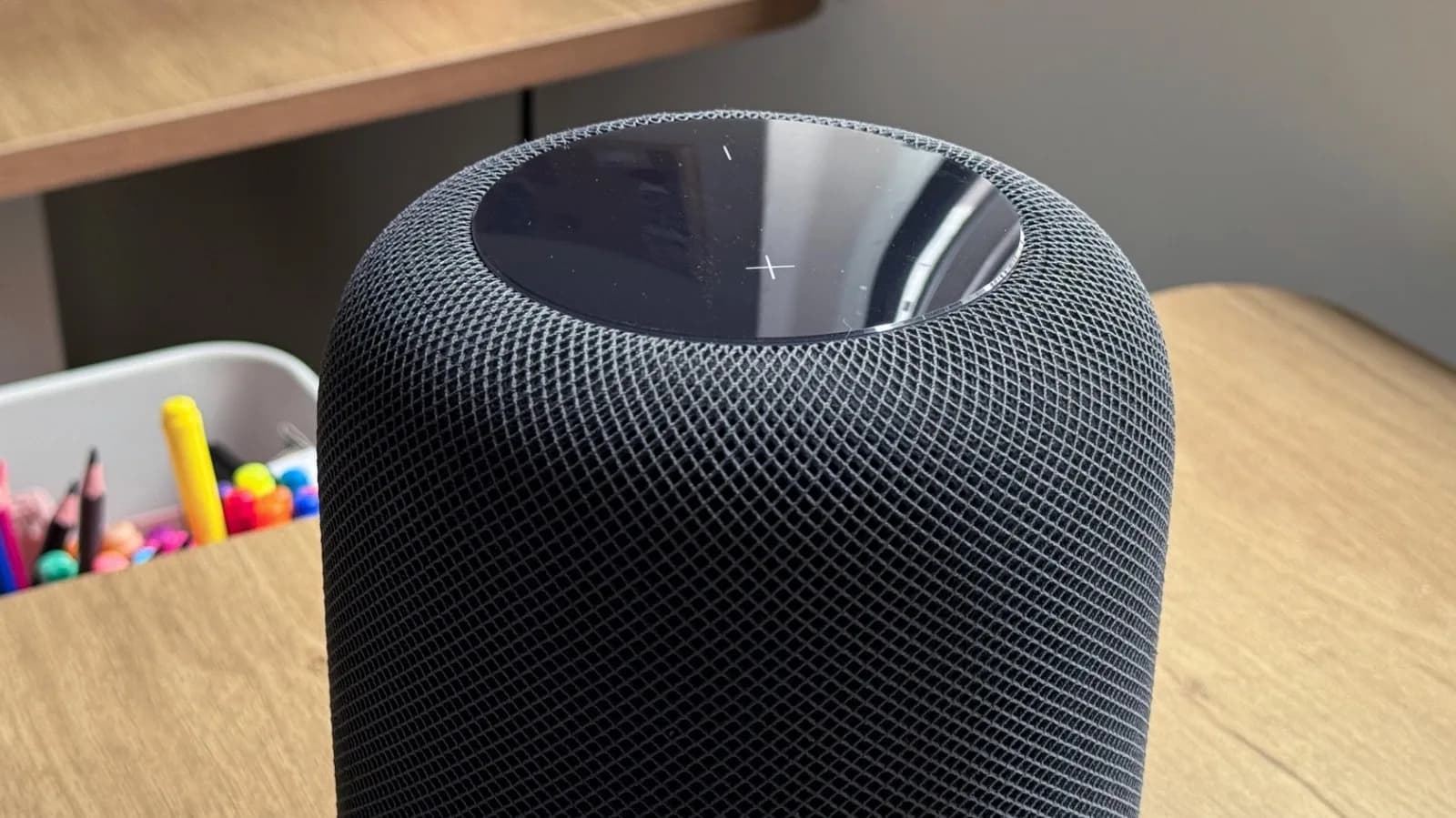
Be the first to comment
Join the argument. No password, just your email or a passkey.