Apple's Mac Studio configurator quietly got a lot more expensive on Wednesday. The company has switched on the 512GB RAM option for the Mac Studio with the M5 Ultra chip, something it promised back in August when it unveiled the M5 Max and M5 Ultra versions of the desktop and said the top memory tier would land in October.
It has, right on schedule, and the bill is steep. The 512GB configuration is only available on the top-tier M5 Ultra, the version with a 36-core CPU and an 80-core GPU, which starts at $6,799 on its own with 96GB of unified memory. Stepping up to 512GB adds $15,500 to that price, bringing the total to $22,299 before you've even picked a storage tier.
And storage does not come cheap either. Push the SSD to its maximum 16TB and the price climbs again, to $29,799 for a single Mac Studio. That is more than some small used cars, for a machine that, on paper, exists mainly to run enormous AI models and memory-hungry pro workflows locally rather than in the cloud.
If you don't need quite that much headroom, the M5 Max Mac Studio remains capped at 128GB of RAM, the same ceiling Apple has kept on the Max chip's memory controller. The 512GB tier is strictly an M5 Ultra feature, which lines up with how Apple has segmented memory on its Ultra chips in past generations, reserving the biggest numbers for the part built by fusing two Max dies together.
Anyone who orders the 512GB configuration now shouldn't expect it on their desk right away. Apple says these units will ship in late November to early December, a few weeks behind the standard M5 Ultra and M5 Max Mac Studios that have been available since the chips were announced in August.
Apple has not said anything about Indian pricing or availability for the 512GB tier, and none of the sources for this story mention one, so there's no Rs figure to pass along yet. Expect that to surface closer to when the configuration actually ships, if Apple brings it to the Indian store at all, since the Mac Studio's highest-end builds have historically landed in fewer markets than the base models.
For context on who this is even for, 512GB of unified memory is aimed squarely at people running large language models, high-resolution video pipelines or scientific simulations that would otherwise need a rack of GPUs. It's a niche tool with a price tag to match, and Apple clearly isn't trying to make it cheap. It's trying to make it available, which, as of this week, it finally is.
CDFiled by The Computing Desk
Laptops, desktops, processors, graphics cards and the operating systems that run on them.
More from this desk →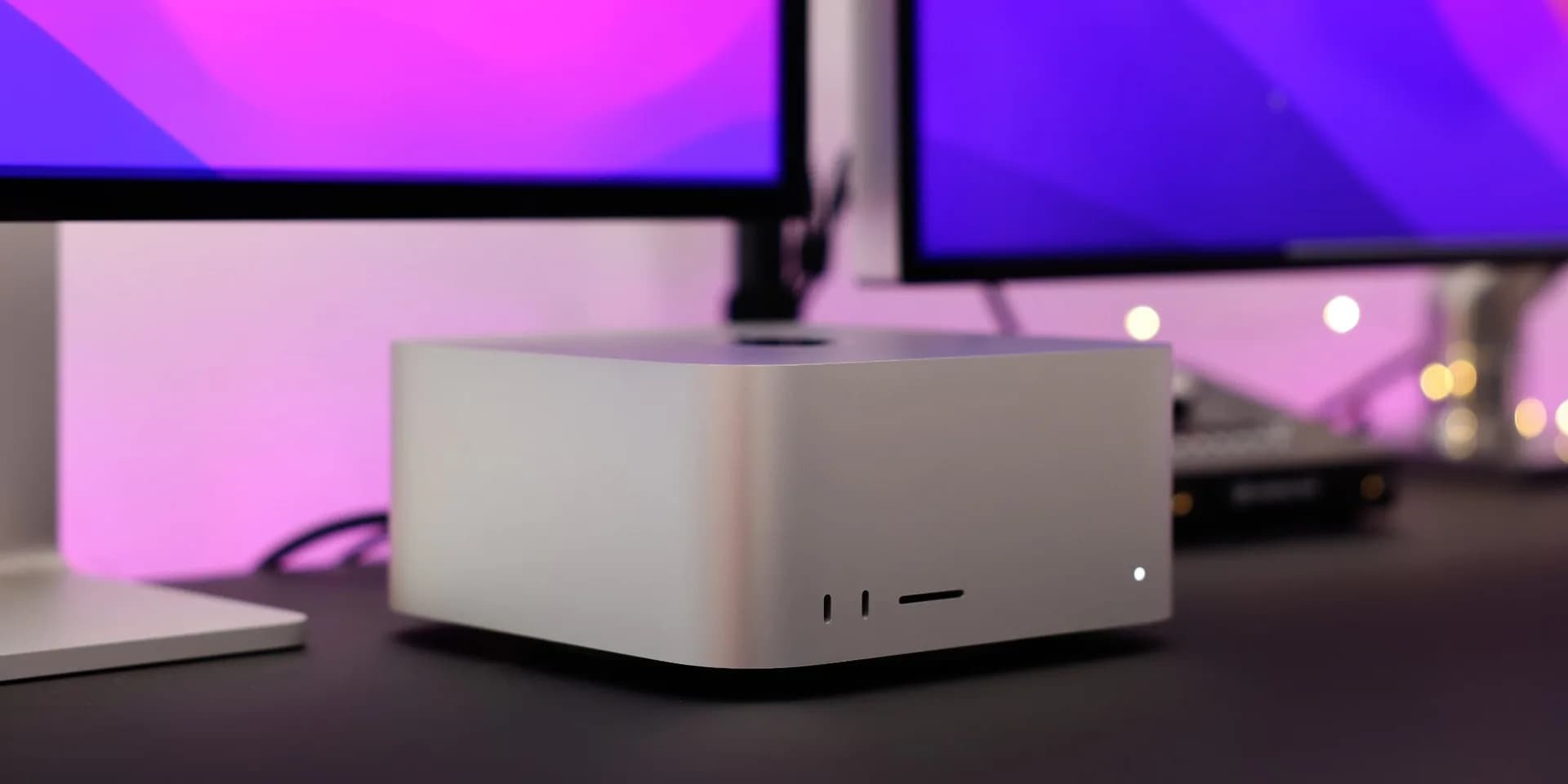


Be the first to comment
Join the argument. No password, just your email or a passkey.