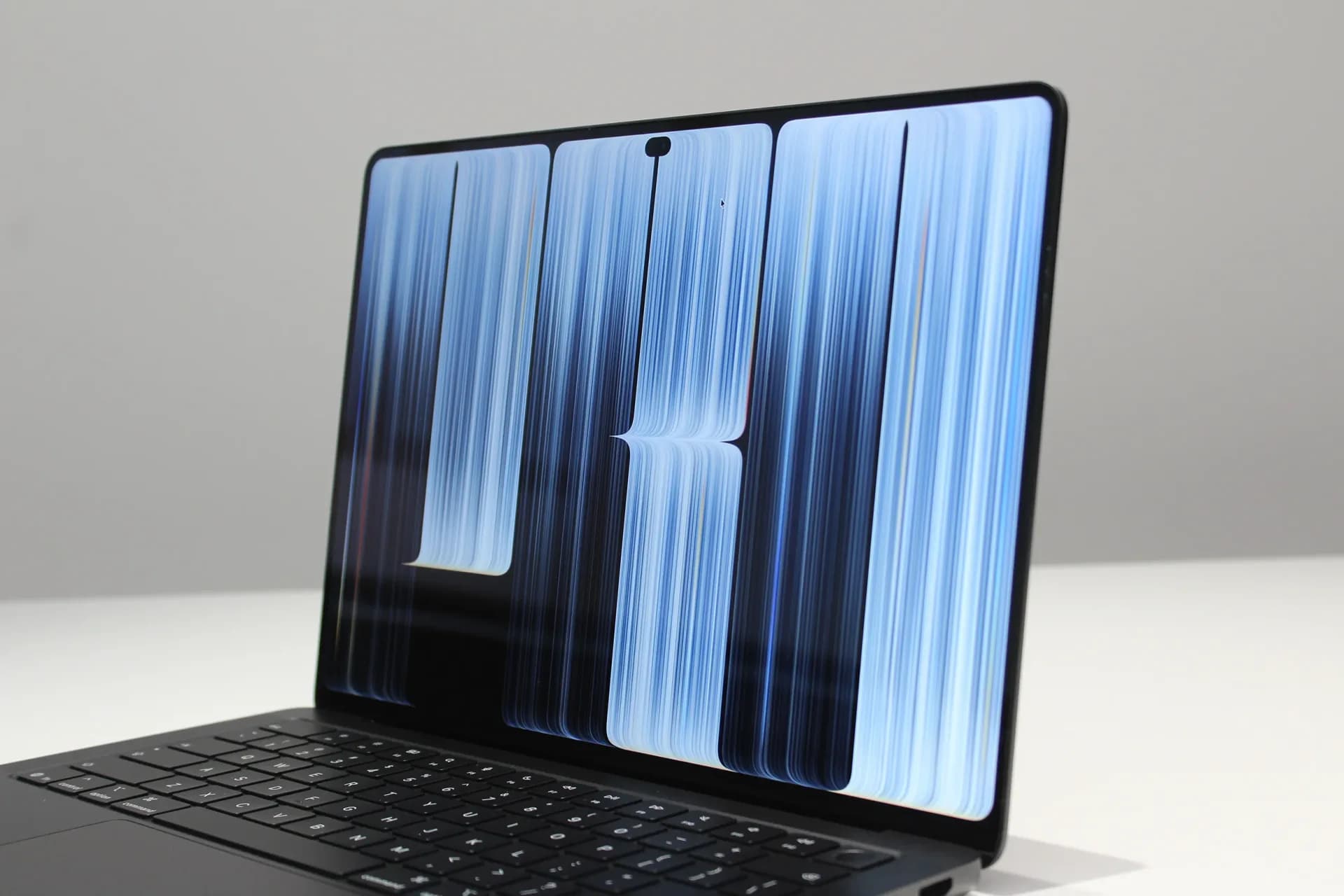
Apple announced its first touchscreen MacBook Pro on Wednesday, built on the tandem OLED panel technology it introduced with the M4 iPad Pro back in 2024. A day later, the research firm TrendForce put a number on what that launch might actually mean for the market: somewhere between 1.2 million and 1.5 million units shipped in 2027.
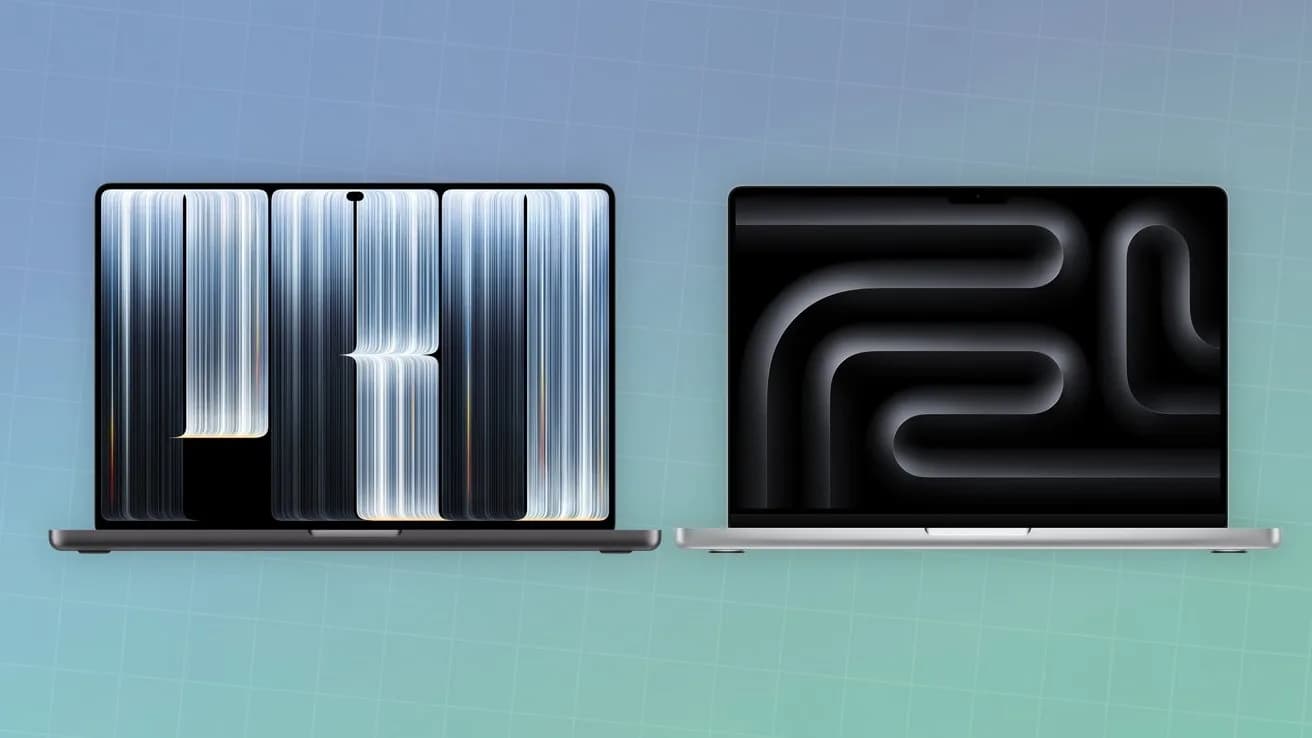
That's a modest figure next to the tens of millions of MacBooks Apple typically moves in a year, and TrendForce has a reason for the caution. The new MacBook Pro starts at $2,899 for the 14-inch model, and it's launching alongside Apple's existing Mini-LED MacBook Pro lineup rather than replacing it outright. TrendForce's report says that combination, a premium price plus a cheaper non-touch alternative sitting right next to it, "could temper near-term replacement demand."
The bigger story, according to TrendForce, is what Apple's arrival does for OLED notebooks generally. Windows-based brands like Lenovo, HP and Asus have been the ones pushing OLED screens into laptops so far, spreading the technology across different price tiers. TrendForce expects Apple's entry to add momentum industry-wide, nudging more brands to prioritize OLED in future roadmaps and building consumer familiarity with the panel type. The firm forecasts global OLED notebook shipments will grow nearly 40 percent year over year in 2026, then climb more than 40 percent again in 2027.
Tandem OLED stacks two OLED layers on top of each other instead of one, which is how Apple gets higher peak brightness out of the panel while keeping the deep blacks and contrast OLED is known for. Samsung Display has reportedly been the manufacturing partner readying this for Apple. The Elec reported back in September 2025 that Samsung Display was preparing to mass-produce 14-inch and 16-inch OLED panels for the MacBook Pro starting in the second quarter of 2026, with annual output eventually hitting 2 to 3 million units, well above what TrendForce now expects Apple to actually ship in the first full year.
What comes after the MacBook Pro
TrendForce's OLED roadmap has Apple bringing the technology to the MacBook Air only in 2029, a date that's already slipped once from an earlier target of 2027. For that future model, LG Display, BOE and TCL CSOT are reportedly competing for the supply contract as each builds out its own OLED manufacturing capacity.
Zoom out further and TrendForce sees the entire OLED notebook category, Apple and everyone else combined, reaching 46.6 million units shipped by 2030. Growth is expected to peak at 42.8 percent in 2028 before cooling to 30.8 percent the following year, which would suggest the market moves from early adoption into something closer to mainstream by the end of the decade. Whether Apple sticks to a 2029 Air timeline, or moves it again, will be the next marker worth watching.
CDFiled by The Computing Desk
Laptops, desktops, processors, graphics cards and the operating systems that run on them.
More from this desk →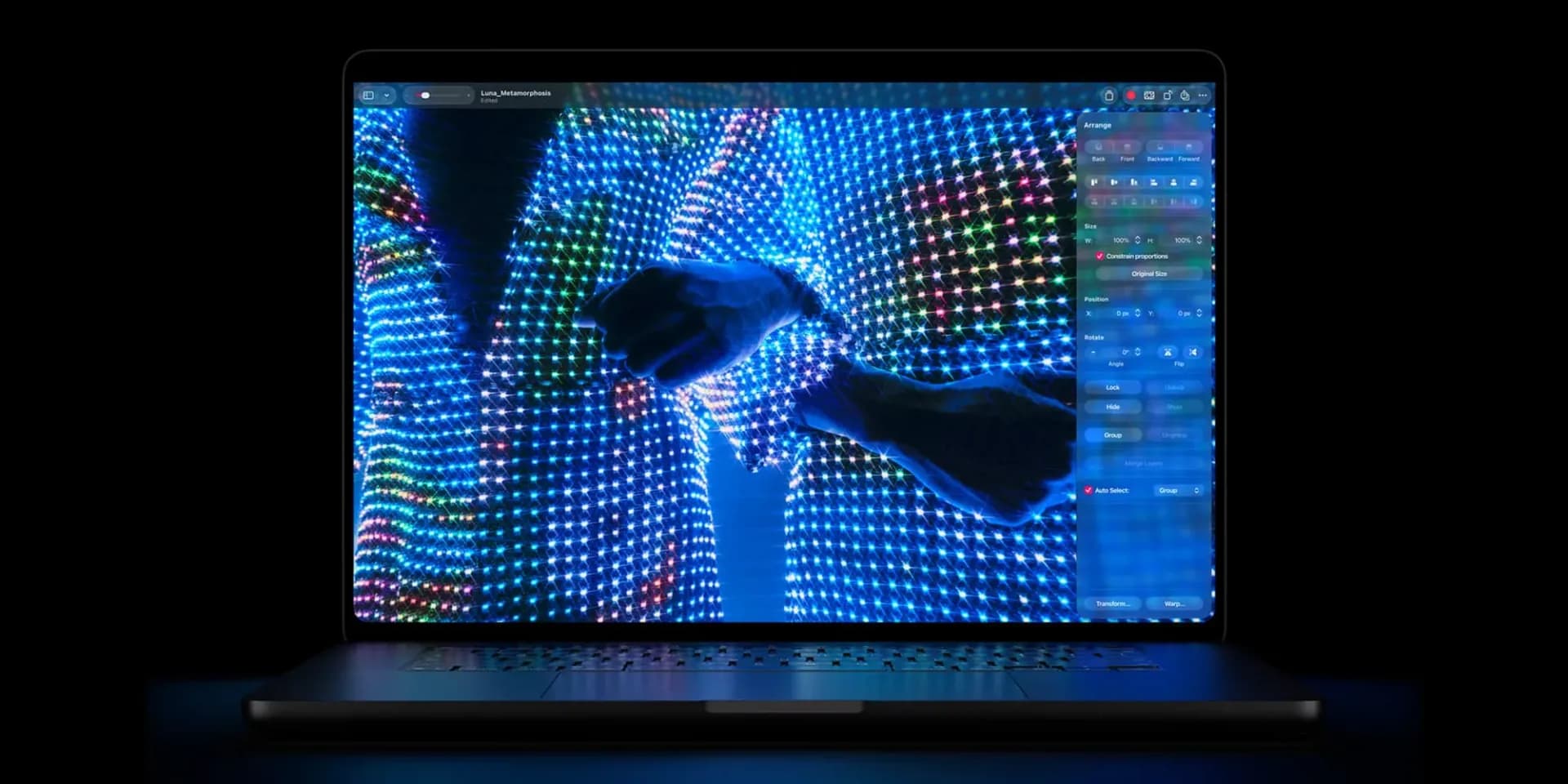

Be the first to comment
Join the argument. No password, just your email or a passkey.