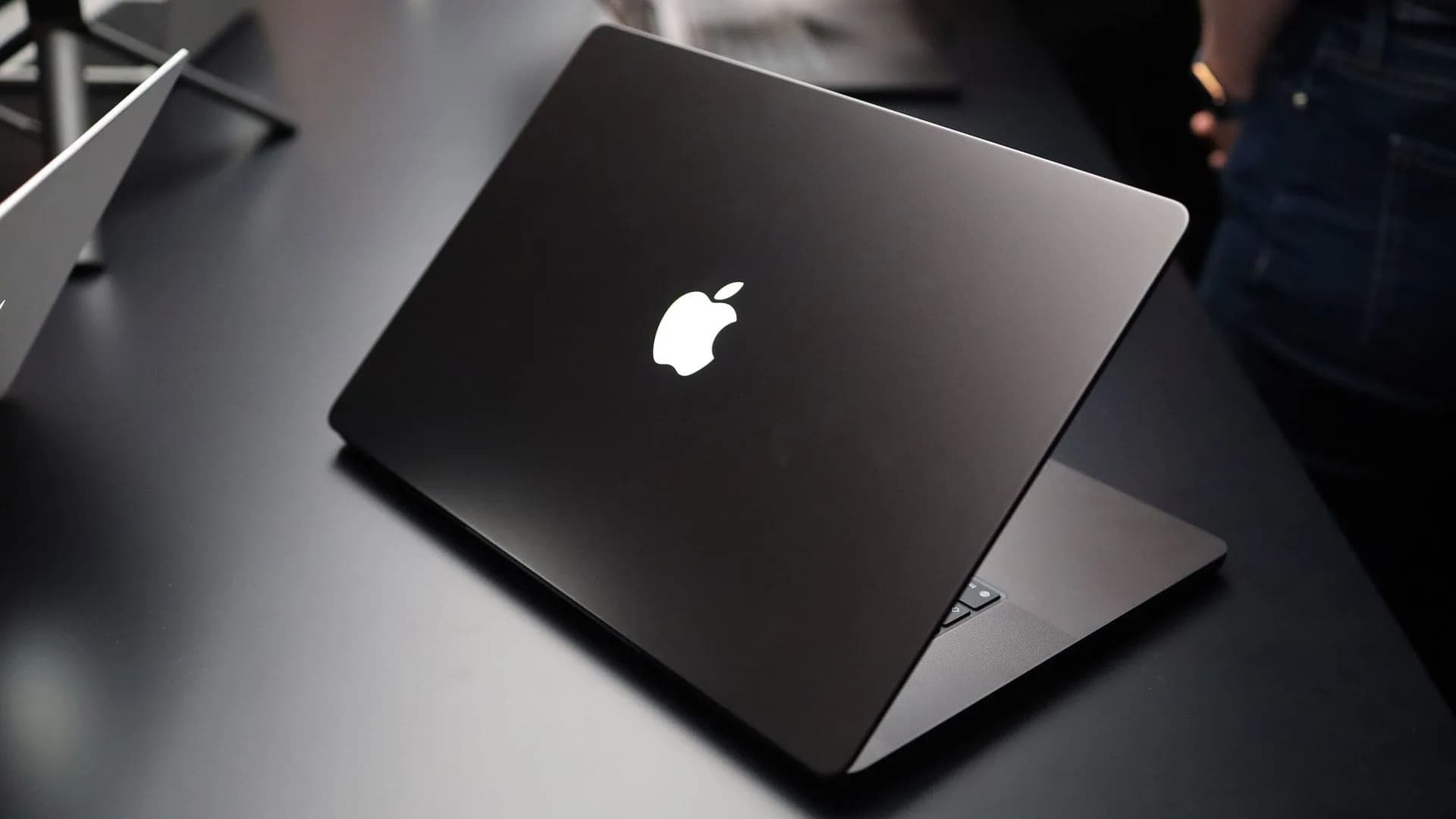
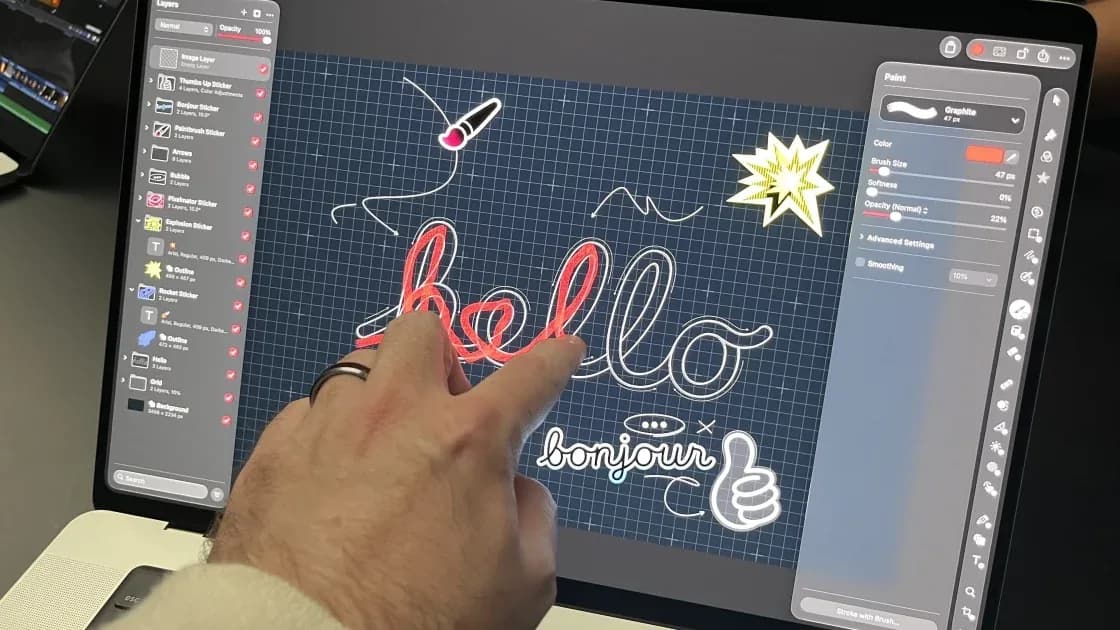
Apple has let at least one reporter handle its touchscreen MacBook Pro ahead of a wider rollout, and the headline detail isn't the touch layer itself. It's the screen underneath it.
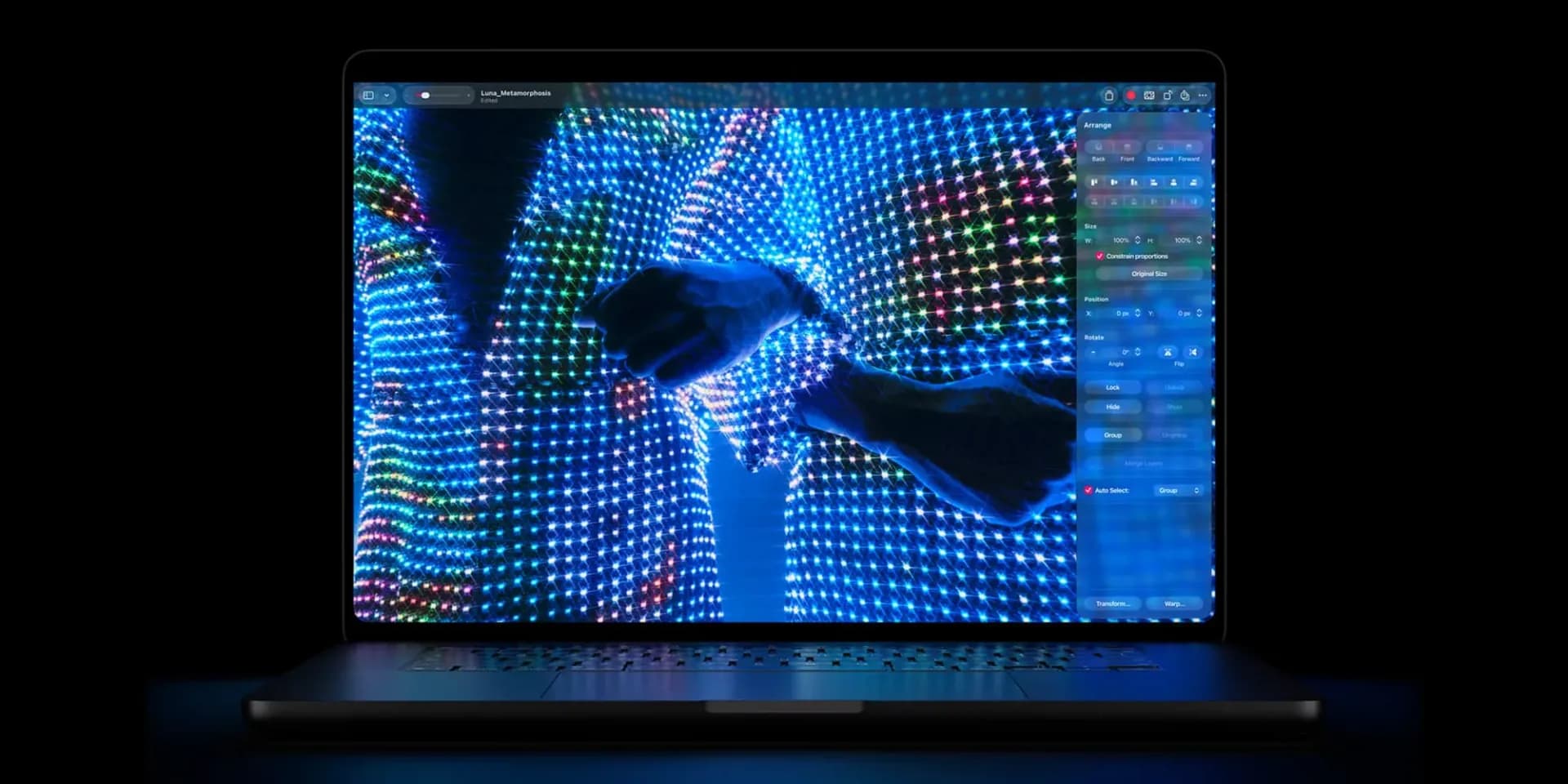
TechRadar's Lance Ulanoff, who says he saw and touched the new laptop, reports that Apple is calling the panel technology "PROLED XDR" internally, a label he admits sounds like it was welded together in a lab. Whatever the name, the specs he lists are specific: a contrast ratio of 10,000,000:1, up to 2,000 nits of brightness for both HDR and SDR content, and a choice between an anti-reflective finish or a nano-etched one, each with an oleophobic coating to resist fingerprints.
For comparison, Ulanoff points to the Lenovo Yoga Pro 9i Aura Edition, a Windows laptop that also uses Tandem OLED technology, meaning two stacked OLED layers working together for brightness and longevity. The Lenovo tops out at a 1,000,000:1 contrast ratio and 1,600 nits, figures that look respectable until you put them next to Apple's numbers. Ulanoff writes that visually, the two displays "doesn't even seem to be of the same species."
A Colosseum-sized factory, maybe Samsung's
The manufacturing story is where things get speculative. Apple reportedly told press the panels come from an unnamed partner working in what's known as a Gen-8 OLED fab, a type of facility large enough, per Ulanoff's account, to fill a chamber roughly the size of Rome's Colosseum. There are only four such facilities in the world, and Ulanoff guesses the partner is Samsung Display, which operates one of them and has worked with Apple on displays before. Apple hasn't confirmed that, and Ulanoff is explicit that it's his own inference, not an Apple statement.
The panel itself is described as less than a millimeter thick but built from roughly 50 layers total, including two OLED stacks of 30 layers each, with individual layers as thin as a nanometer. The touch digitizer, similar to what's used on iPhone and iPad, is reportedly integrated into that stack rather than added as a separate sheet, which Ulanoff suggests is itself a patentable process.
Touch costs extra, and nobody's tested the hinge yet
Apple is pitching the screen as more than a touch gimmick. Ulanoff's report says the company is positioning it as a color-accurate reference display, with grayscale precision it claims is good enough for medical diagnostic work, a calibrated monitor built into a laptop lid.
None of that is independently verified outside this one hands-on account, and Apple has not published its own spec sheet for the display to Hitechreports' knowledge. Ulanoff also flags two open questions that a short demo can't answer: whether the laptop's redesigned hinge stays stable under repeated touch input, and whether the touch option, which he says adds close to $1,000 to the price, is worth it for buyers who don't need a stylus or a finger on their Mac. Official pricing and a release date for the touchscreen MacBook Pro haven't been detailed in reporting so far, and those are the numbers that will decide whether this panel matters beyond a demo table.
CDFiled by The Computing Desk
Laptops, desktops, processors, graphics cards and the operating systems that run on them.
More from this desk →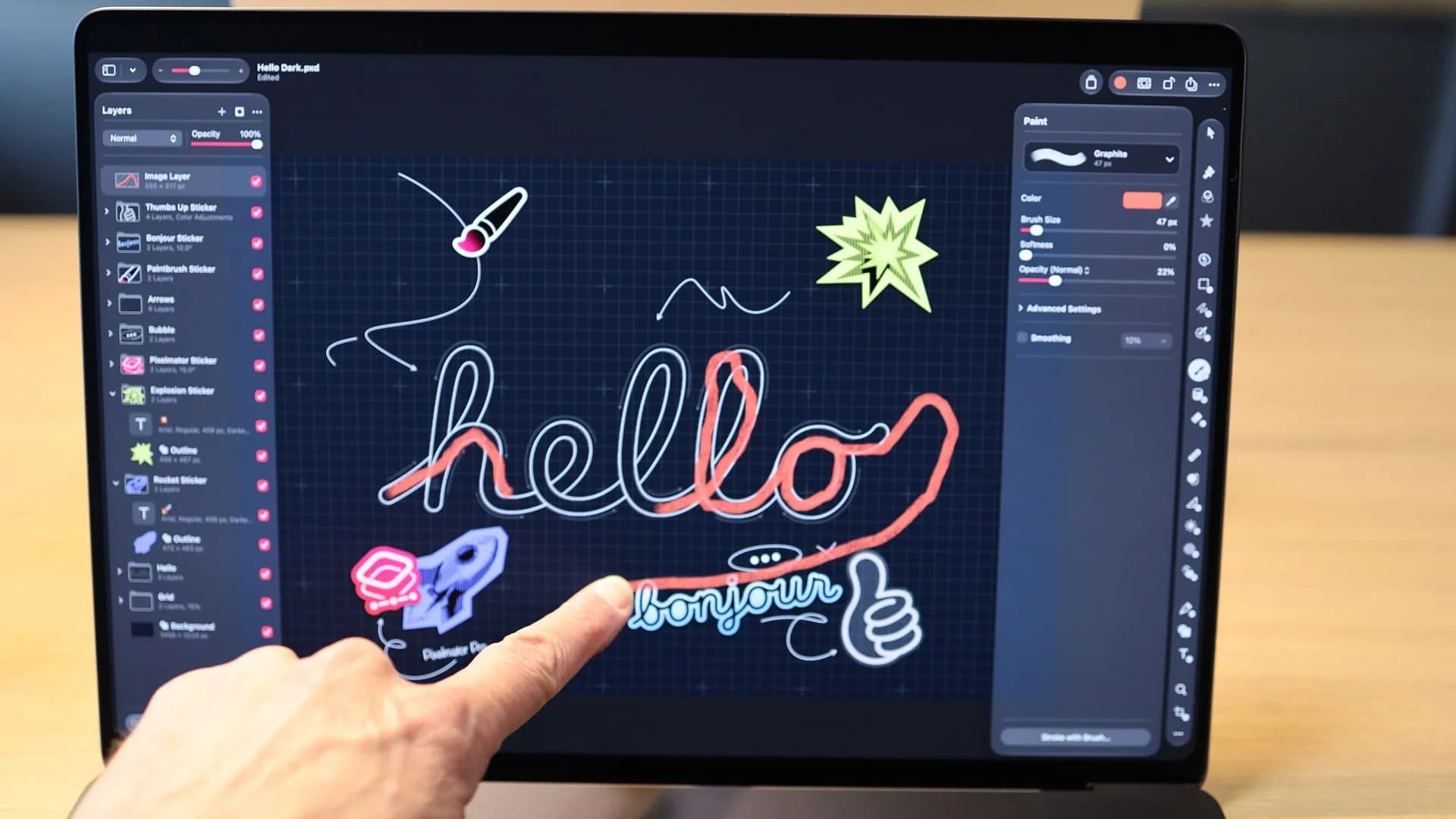
Be the first to comment
Join the argument. No password, just your email or a passkey.