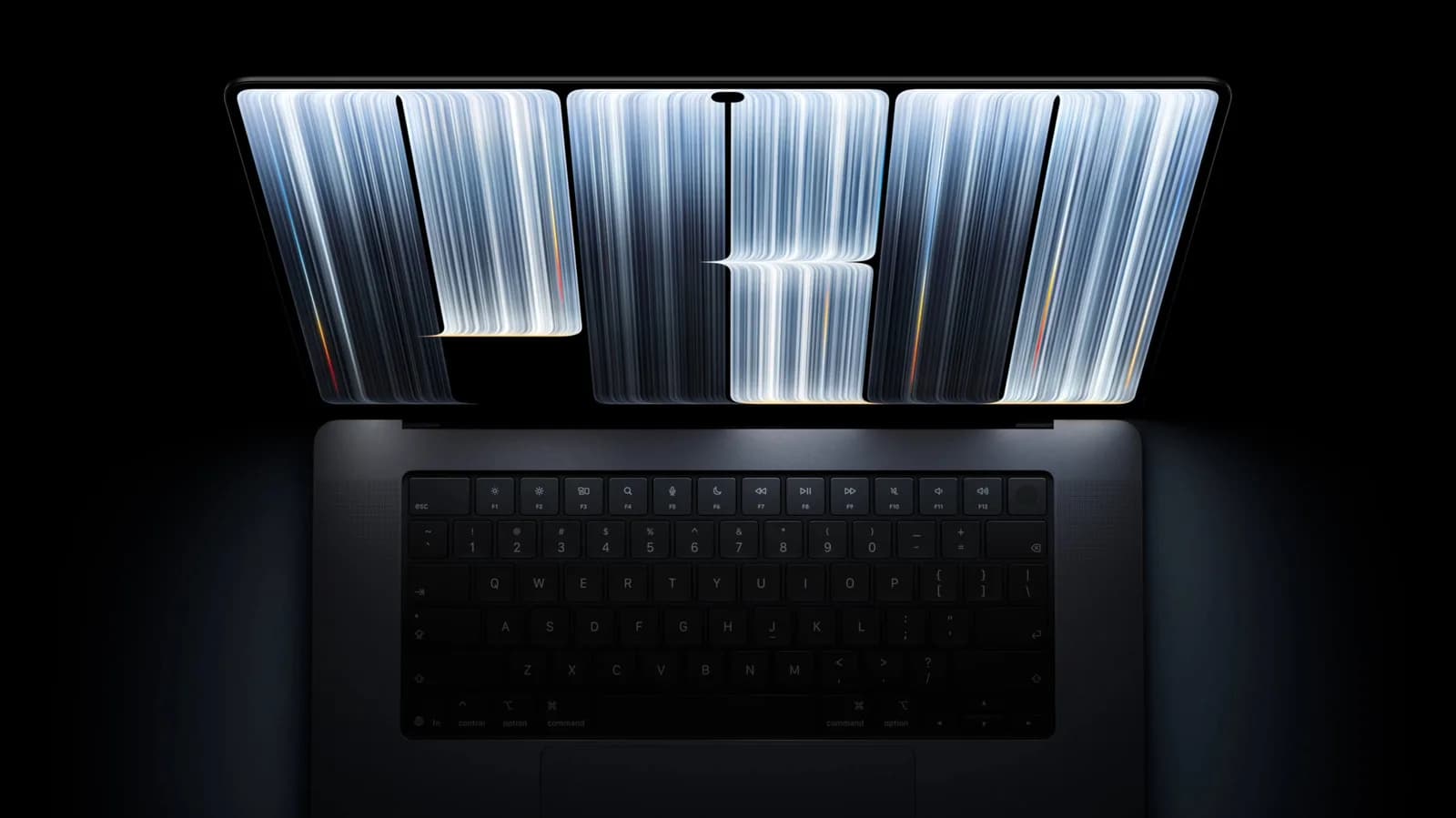
Apple put the Dynamic Island on a Mac for the first time on Tuesday, building it into the new touchscreen MacBook Pro lineup it introduced the same day. The feature debuts on the 14-inch and 16-inch models, which went up for pre-order on October 28 and ship November 6.
The Dynamic Island first showed up on the iPhone 14 Pro and iPhone 14 Pro Max back in September 2022, replacing the notch with a pill-shaped cutout that expands to show Live Activities, alerts and quick controls. On the new MacBook Pro, according to MacRumors, that same idea now lives at the top of the laptop's screen while you work in other apps.
Apple says the Island lets people answer a phone call, control music playback or accept an AirDrop request without leaving whatever app they're in. It also doubles as the home for Spotlight search and Siri. Because the new MacBook Pro has a touchscreen, some of those actions, pausing a track, for instance, can be done with a direct tap instead of a trackpad gesture or keyboard shortcut.
What it doesn't bring is Face ID. The iPhone's Dynamic Island grew out of the TrueDepth camera housing used for face unlock, but Apple kept Touch ID on the new MacBook Pro and paired it with a 12-megapixel Center Stage camera instead. So the Mac gets the interactive software layer of the Dynamic Island without the hardware that originally justified it on the phone.
Price and where it fits
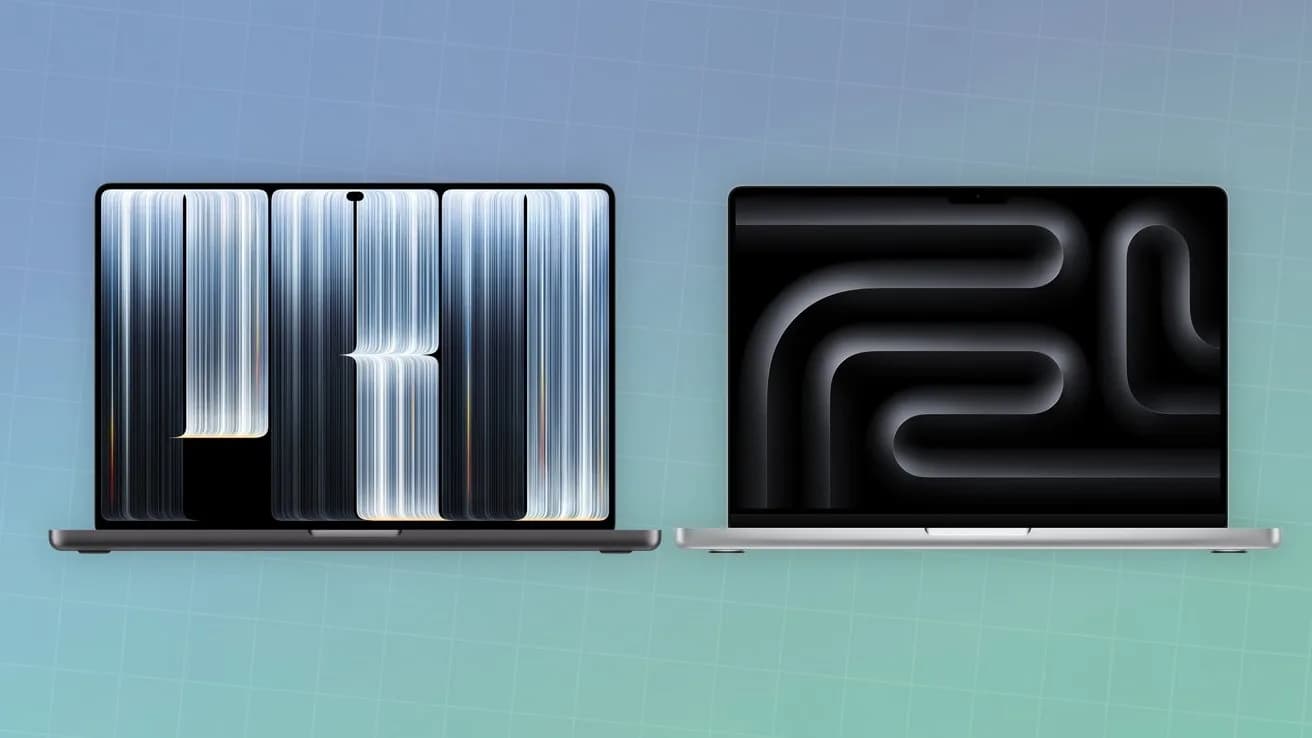
US pricing starts at $2,899 for the 14-inch model and $3,399 for the 16-inch model, both for configurations with the touchscreen and the Dynamic Island. That sits well above the standard M6 MacBook Pro Apple is also selling, which starts at $1,999 and skips the touch display entirely, so shoppers now have to decide whether tapping the screen and the Island's shortcuts are worth roughly $900 more at the entry tier.
It's also Apple's clearest signal yet that touch input is coming to Mac hardware on Apple's own terms, after years of resisting it in favor of the trackpad and keyboard. Putting the Dynamic Island on top of that touchscreen, rather than just shrinking the camera notch, suggests Apple wants the software metaphor from iPhone to carry over rather than build something Mac-specific from scratch.
Whether third-party apps get access to Live Activities on the Mac Island the way they do on iPhone isn't detailed in what Apple has said so far. That's the next thing developers and reviewers will be pushing to find out once units start reaching people on November 6.
CDFiled by The Computing Desk
Laptops, desktops, processors, graphics cards and the operating systems that run on them.
More from this desk →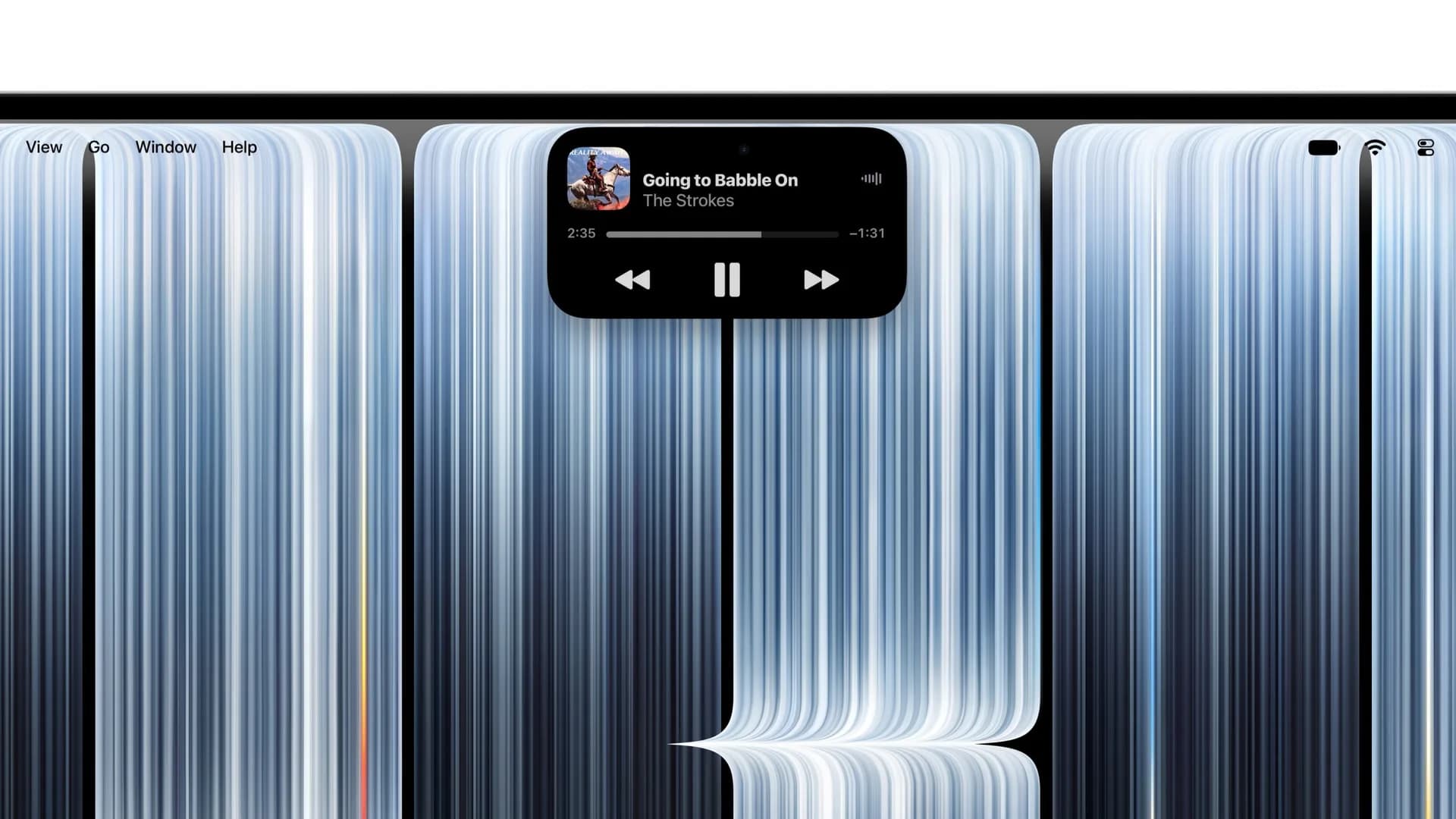

Be the first to comment
Join the argument. No password, just your email or a passkey.