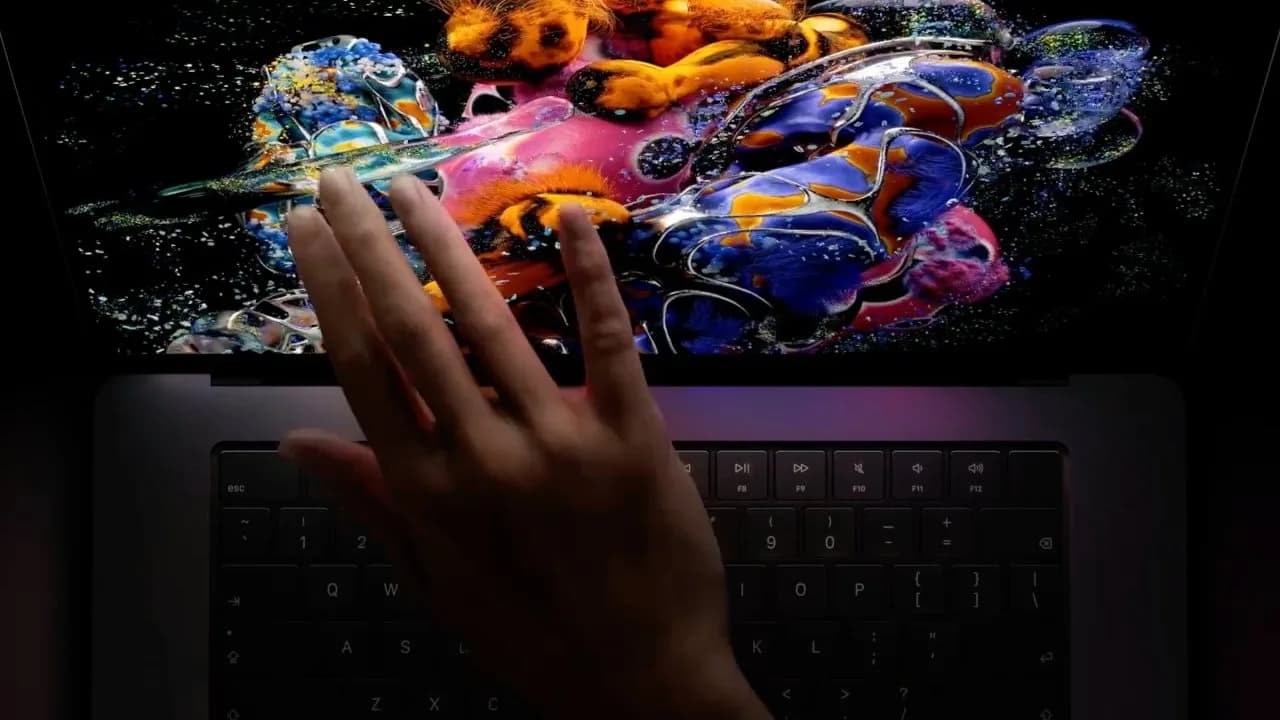
Apple has finally put a touchscreen on a MacBook, and it's charging a premium for the privilege of tapping your laptop screen.
The company unveiled the new MacBook Pro, internally called the ProLED on Apple's own site, at a "Pro and Tell" event on Wednesday. The 14-inch model starts at $2,899 and the 16-inch at $3,399, both available to preorder now ahead of a November 6th release. That's roughly $400 more than the standard, non-touch MacBook Pro at each screen size, according to pricing shared by DPReview, which lists the regular 14-inch at $2,499 and the 16-inch at $2,999.
Here's the twist: the touchscreen models run on M5 Pro or M5 Max chips, the same silicon Apple put in MacBooks earlier this year. The standard MacBook Pro and the new iMac, both announced this same week, got bumped to Apple's newer M6 chip. So the laptop with the flashiest new feature is, chip-wise, a generation behind its cheaper sibling. Apple appears to be running both lines side by side rather than retiring the non-touch model, at least for now.
What the touchscreen actually does
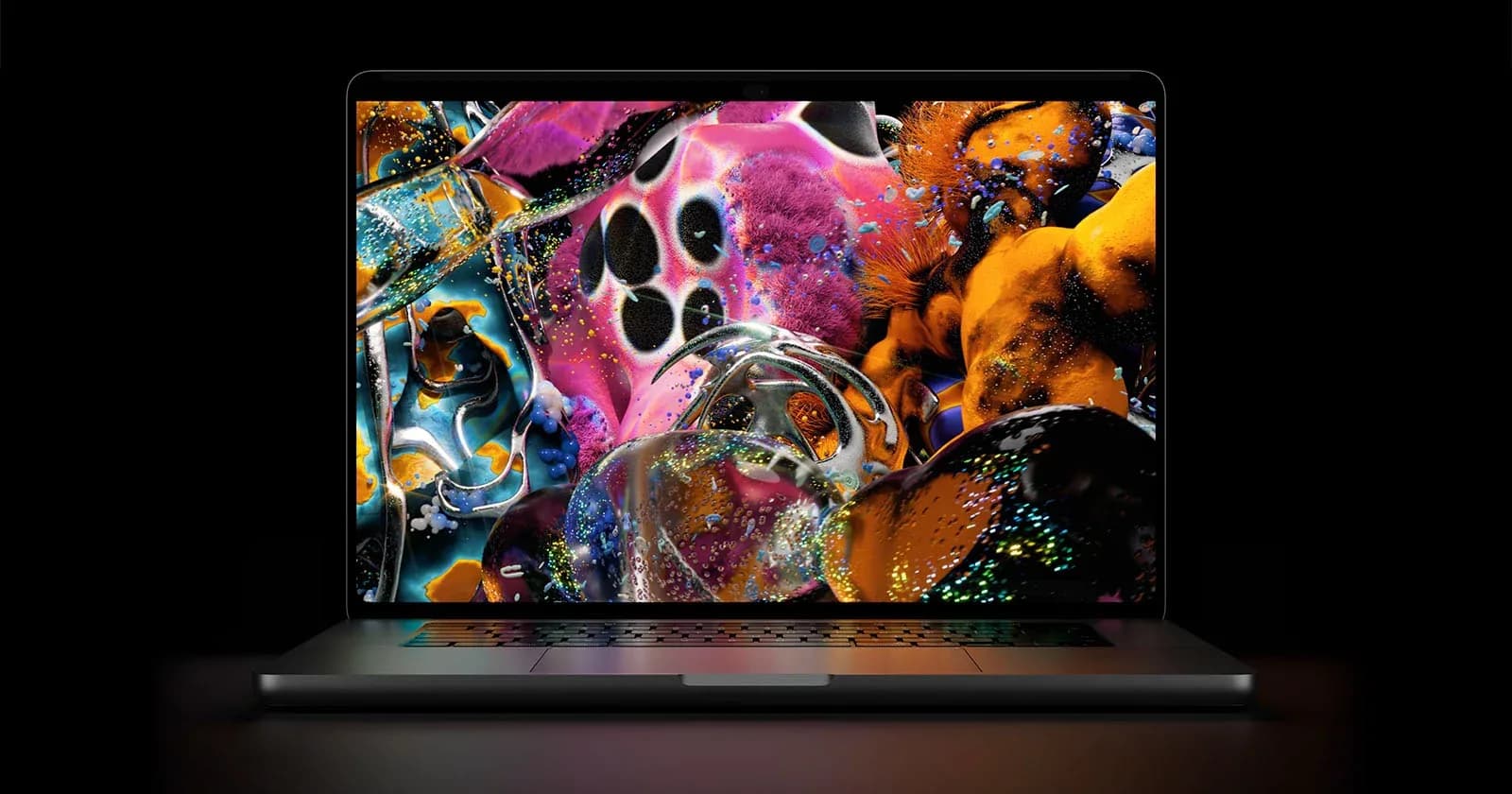
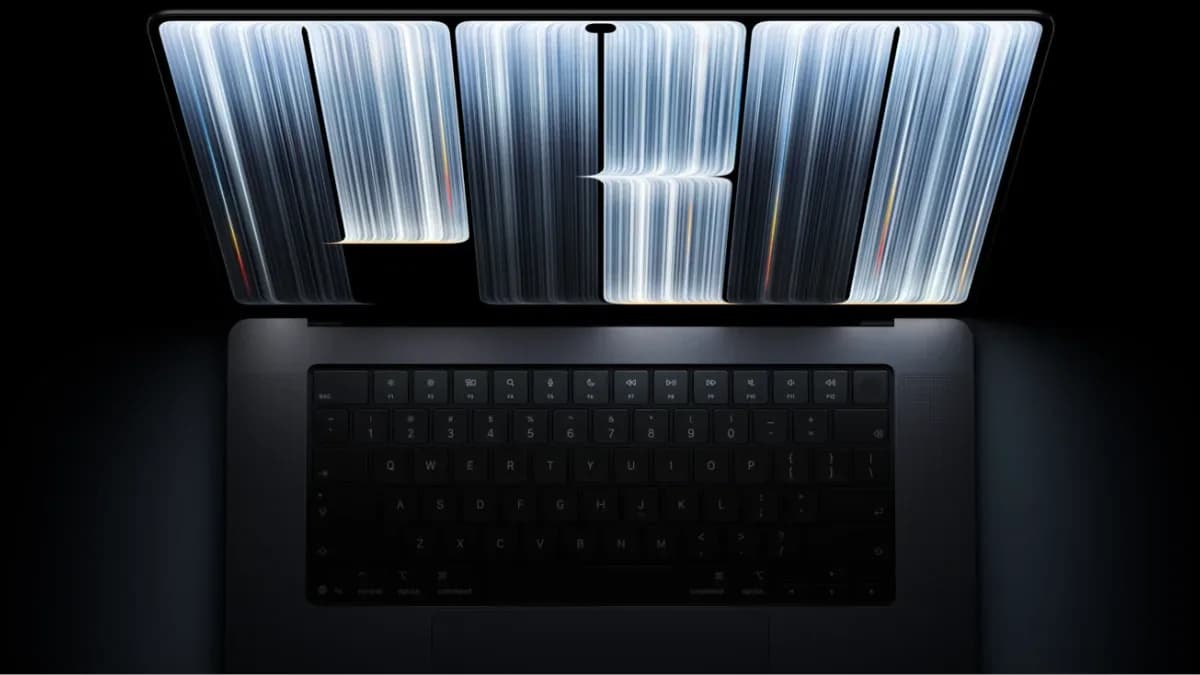
The star of the show is what Apple calls the PROLED XDR display, a tandem OLED panel capable of up to 2,000 nits of peak SDR brightness, a 120Hz refresh rate and a claimed 10,000,000:1 contrast ratio, up from 1,600 nits on the mini-LED screen in the standard MacBook Pro. Apple says the touch sensor sits built directly into the display panel rather than layered on top, which it claims cuts down on latency. A Dynamic Island, borrowed from the iPhone, now lives at the top of the screen for Live Activities, Spotlight and Siri.
Apple's chief hardware officer, Johny Srouji, called it "a monumental step forward for the Mac" in a statement, while new CEO John Ternus said "the Mac has never been better, and it's never been stronger." Apple points to tasks like drawing across the full display instead of a trackpad, playing software instruments on screen, and developers testing iOS and iPadOS apps directly on the laptop. DaVinci Resolve and Adobe Lightroom are already optimized for touch, Apple says, and macOS will automatically translate taps into clicks for apps that haven't been updated.
Thinner, lighter, same battery claim
Both new models are lighter than before: the 14-inch now weighs 3 pounds and the 16-inch 4 pounds. They're also slightly thinner, by half a millimeter on the smaller model and nearly a full millimeter on the larger one, with bezels trimmed down to grow the screens to 14.2 and 16.3 inches. Apple says the 14-inch touchscreen model actually carries a higher-capacity battery than its non-touch counterpart, and both 16-inch versions top out at 100Wh, the maximum airlines allow in carry-on bags. Apple's battery life claim is up to 24 hours either way.
Ports are unchanged from what you'd expect on a modern MacBook Pro: MagSafe 3, a headphone jack, SD card slot, HDMI, and three Thunderbolt 5 ports, with support for three external displays or four on the M5 Max configuration. Apple also redesigned the hinge to keep the screen from wobbling when tapped, and the glowing Apple logo on the lid is back for the first time in years.
It's a reversal from a company that spent over a decade arguing against this exact idea, with Steve Jobs once dismissing touchscreen laptops as "ergonomically terrible" and Tim Cook comparing a converged tablet-laptop to a toaster-fridge hybrid. Preorders are open now, with units shipping November 6th.
CDFiled by The Computing Desk
Laptops, desktops, processors, graphics cards and the operating systems that run on them.
More from this desk →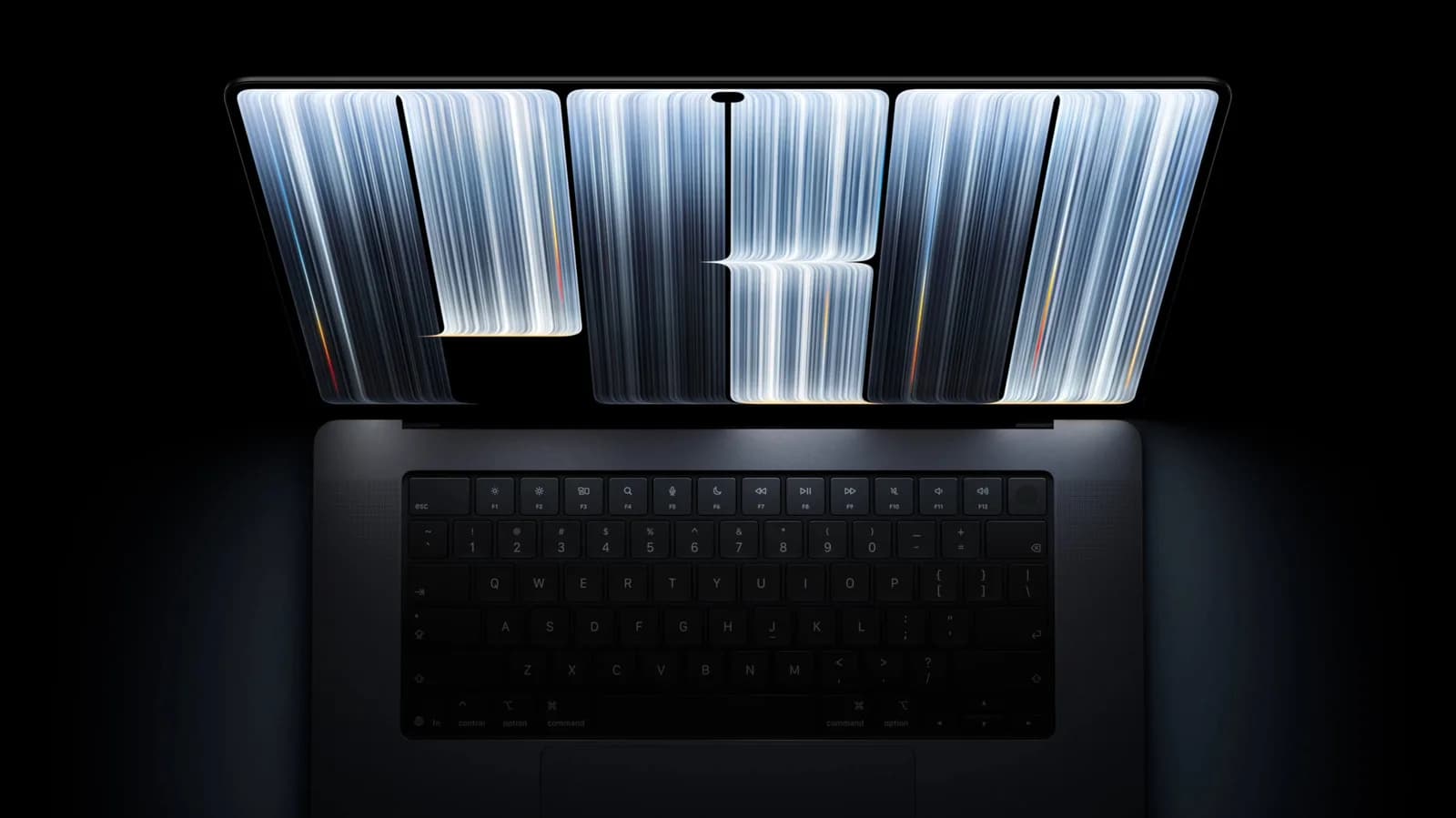
Be the first to comment
Join the argument. No password, just your email or a passkey.