Fortnite is back on Australia's App Store. Epic Games confirmed the return on Friday, a day after the Federal Court of Australia ordered Apple to open iPhones to competing app stores and direct downloads from developer websites.
The order, issued by Justice Jonathan Beach, builds on his August 2025 finding that Apple misused its market power over app distribution and in-app payments, a violation he ruled had been running since November 2017. "Apple purposefully foreclosed every rival channel for iOS app distribution and installed itself as the sole gateway to iOS users," Beach wrote in that earlier decision.
What changes, and when
From March 1, 2027, Apple has to let Australian iPhone owners install apps from rival stores and from developers' own websites, provided each app clears an automated security and privacy scan and gets notarized by Apple or an approved third party. Developers who go that route get the same tools and APIs as those who stay on the App Store.
Apple can't charge fees or attach conditions to using those alternative channels. Beach singled out the Core Technology Fee Apple charges in the European Union, 50 euro cents per first annual install, as a mechanism "designed to dissuade developers from using alternatives." He also capped what Apple can take from digital purchases made through non-Apple payment systems: no more than it charges on physical goods, which the judge said is currently nothing, plus genuine extra costs. Apple can't force developers to keep its own payment system running alongside an outside one, demand sales reports, or add warning screens and extra install steps beyond what security actually requires.
Beach leaned on Epic's own install data from Europe, where the share of users who abandoned installing the Epic Games Store fell from 63 percent to 24 percent once Apple trimmed the friction in iOS 18.6. He noted a US judge reached a similar conclusion about Google deliberately slowing Play Store installs.
What Apple avoided
The orders only cover the Australian App Store and accounts set to Australia, though developers anywhere can use the new channels once they're live. Beach turned down Epic's request to make the rules global, citing the risk of clashing with separate regimes already in place in the EU, Japan and the US.
Apple wanted the order to expire after five years. Beach set no end date at all, though Apple can ask for changes if the market shifts, and can apply in early February for a short extension to May 3, 2027. Epic didn't get a clean sweep either: Beach declined to void Apple's contract terms outright, left Apple free to keep rival stores out of the App Store itself, and agreed some pre-install warnings are legitimate security measures. Apple also has to cover 85 percent of Epic's legal costs from the 2025 trial.
Apple says it will appeal and seek a stay. "We respectfully disagree with many findings in this case, including a market definition that has been rejected by other courts," a spokesperson told TechRadar, adding Apple holds no monopoly in Australia or anywhere else.
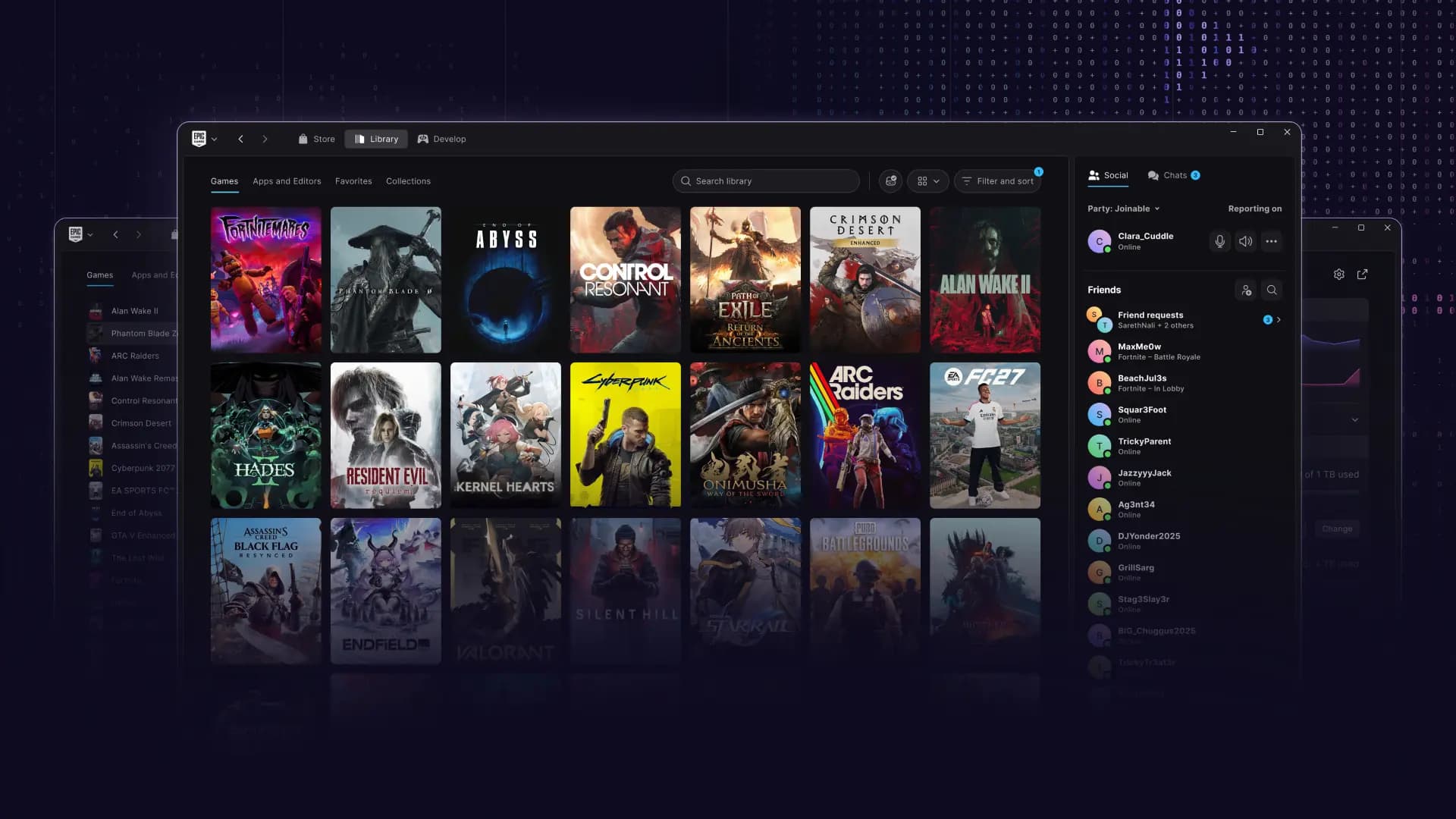
Epic CEO Tim Sweeney called the remedies "a huge victory for consumers and developers" on X. Fortnite's return didn't wait for the March deadline, but the Epic Games Store will, Epic said, with plans to launch it on Australian iPhones once Apple is legally required to allow it. Australia had been the last market shut out when Fortnite came back everywhere else in May, with Epic saying at the time it wouldn't return "under an illegal payment arrangement with Apple."
TBFiled by The Tech Business Desk
Big tech, startups, earnings, regulation and policy — the decisions that shape the products.
More from this desk →


Be the first to comment
Join the argument. No password, just your email or a passkey.