Traditional broadcast radio continues to reach more people in Britain each week than digital music services, according to Ofcom's 2026 audio listening report. The telecom regulator found that 62 percent of people in the UK tune in to radio weekly, narrowly edging out online music streaming platforms at 61 percent.
That narrow one-point lead arrives despite years of relentless migration toward on-demand libraries. Subscriptions to platforms like Spotify and Tidal dominate how people build personal catalogs, yet linear broadcasts remain the country's most broadly consumed audio format. Radio also holds onto its status as Britain's most trusted media format in Ofcom's survey work, kept afloat by sheer omnipresence across cars, kitchens, supermarkets and workplaces.
Audio hardware makers have noticed the persistence. Instead of ditching broadcast chips to save board space, companies are building hybrid hardware that pairs aging radio technology with newer network protocols.
Roberts recently introduced its Revere range of tabletop systems, designed to combine network audio with physical media and terrestrial tuners. The flagship Revere 500 integrates Wi-Fi streaming, internet radio and Spotify Connect while keeping FM and DAB+ receivers on board next to a built-in CD drive. Budget hardware is following a parallel track. Pure is fielding the Bloom, a compact desktop unit that pairs basic FM and DAB+ reception with local Bluetooth playback. Roberts also sells outdoor-oriented portable hardware like the SolarDAB99, which targets campers needing audio away from dependable cellular coverage.
The durability of broadcast audio comes down to simple mechanics and economics. Streaming music requires a dependable data connection and, increasingly, recurring subscription fees that climb every few quarters. Over-the-air radio costs nothing once you own the hardware, operating without accounts, logins or bandwidth throttles.
There is also a functional difference in how people use the medium. Curated algorithms hand listeners infinite choices, but broadcast stations put programming decisions entirely in the hands of station producers and disc jockeys. For millions of listeners juggling commutes or working desks, passive curation without algorithm fatigue remains the easier habit.
Whether terrestrial broadcasts can maintain their lead as younger demographics age into head-of-household status is another question. But for now, British audio hardware continues shipping with telescoping antennas and DAB decoders firmly attached.
GDFiled by The Gadgets Desk
Audio, wearables, cameras, tablets, chargers and every other device worth carrying or plugging in.
More from this desk →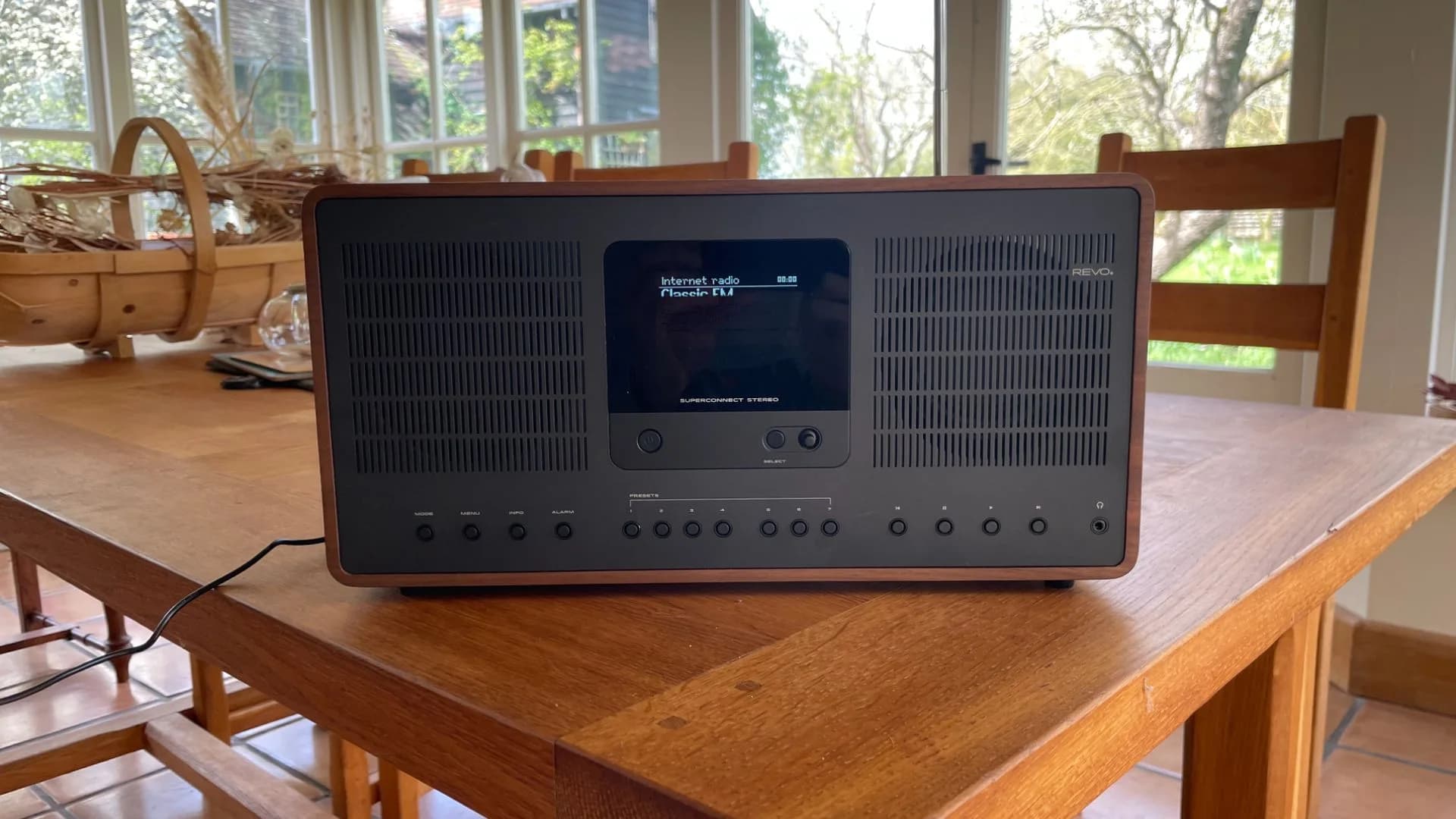

Be the first to comment
Join the argument. No password, just your email or a passkey.