ChatGPT, Claude, and Grok are sending parts of your conversations — including links, titles, and in Grok’s case, screenshots and prompts, to Google, Meta, TikTok, and 41 other third-party trackers. A study by the IMDEA Networks Institute in Madrid, accepted for publication at the Privacy Enhancing Technologies Symposium (PETS) in July 2027, tested nine AI chat services in the browser and eight as Android apps.
Eight of the nine web versions contacted at least one advertising or analytics company. Six sent identifiable fragments of chats. Like the URL to a shared conversation, even when users clicked “Reject all” cookies. Grok was the most aggressive: on shared pages, it transmitted the link, AI-generated title, latest prompt, and a screenshot to Google, Meta, and TikTok servers.
Perplexity’s Android app sent raw user input to Wingify, a testing service. Gemini, Mistral’s Le Chat, and Grok all passed along chat titles. Often revealing sensitive intent (“mortgage for $85k salary”), along with hashed email addresses that let advertisers stitch together cross-service profiles. None of the nine services disclosed this data flow clearly in their privacy policies.
None has issued an official response to IMDEA’s findings, though Perplexity removed its Meta pixel in April after a US class action, and OpenAI updated its privacy policy in mid-August to mention third-party trackers. Grok still issues publicly accessible links as of September. In the EU, the Spanish data protection authority (AEPD) raised the issue at the European Data Protection Board in June.
Under GDPR, researchers say providers lack both transparency and a legal basis for sharing conversation metadata. Rejecting cookies cuts about 75% of identifiers. But 80.8% of trackers remained active post-rejection, and six of the nine services still contacted Google Ads. Paid plans offer stronger privacy controls, but most users are on free tiers.
On Android, Grok, Perplexity, and Microsoft Copilot transmit the advertising ID. Deleting it (Settings > Privacy > Ads > Delete advertising ID) forces apps to see only zeros. Shared links are the biggest exposure: anyone with the URL can read the full chat on ChatGPT, Claude, Gemini, or Grok, unless you manually delete them from Settings > Data controls (ChatGPT), Settings > Privacy > Shared chats (Claude), gemini.google.com/sharing (Gemini), or grok.com/share-links (Grok).
Deleting blocks new access only. Copies and screenshots already taken remain. The paper is titled LeakyLM: AI Assistants Are Leaking Your Conversations. It will be published in full at PETS 2027.
SDFiled by The Software Desk
Apps, platforms, operating system releases, security fixes and the features arriving in them.
More from this desk →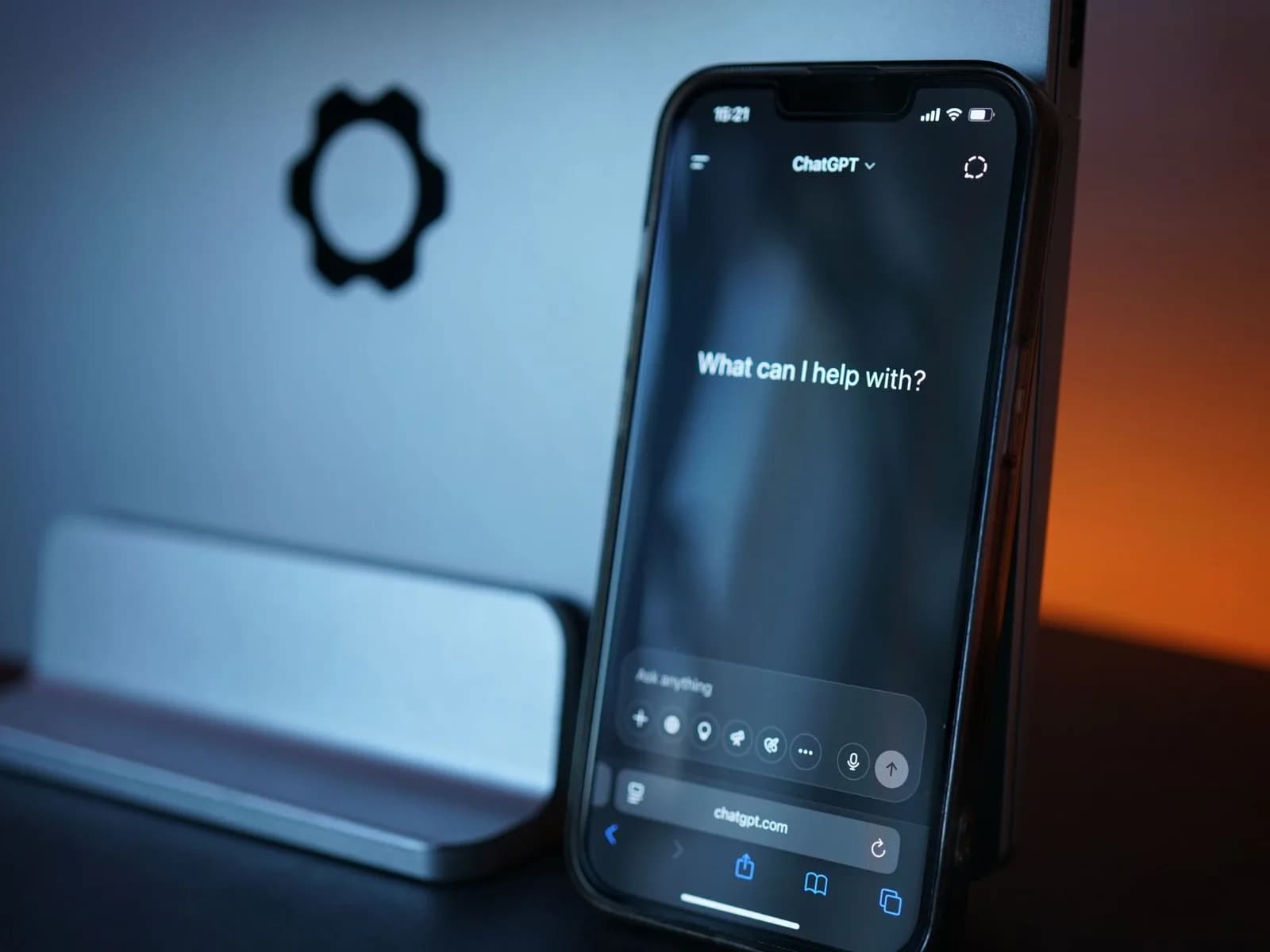

Be the first to comment
Join the argument. No password, just your email or a passkey.