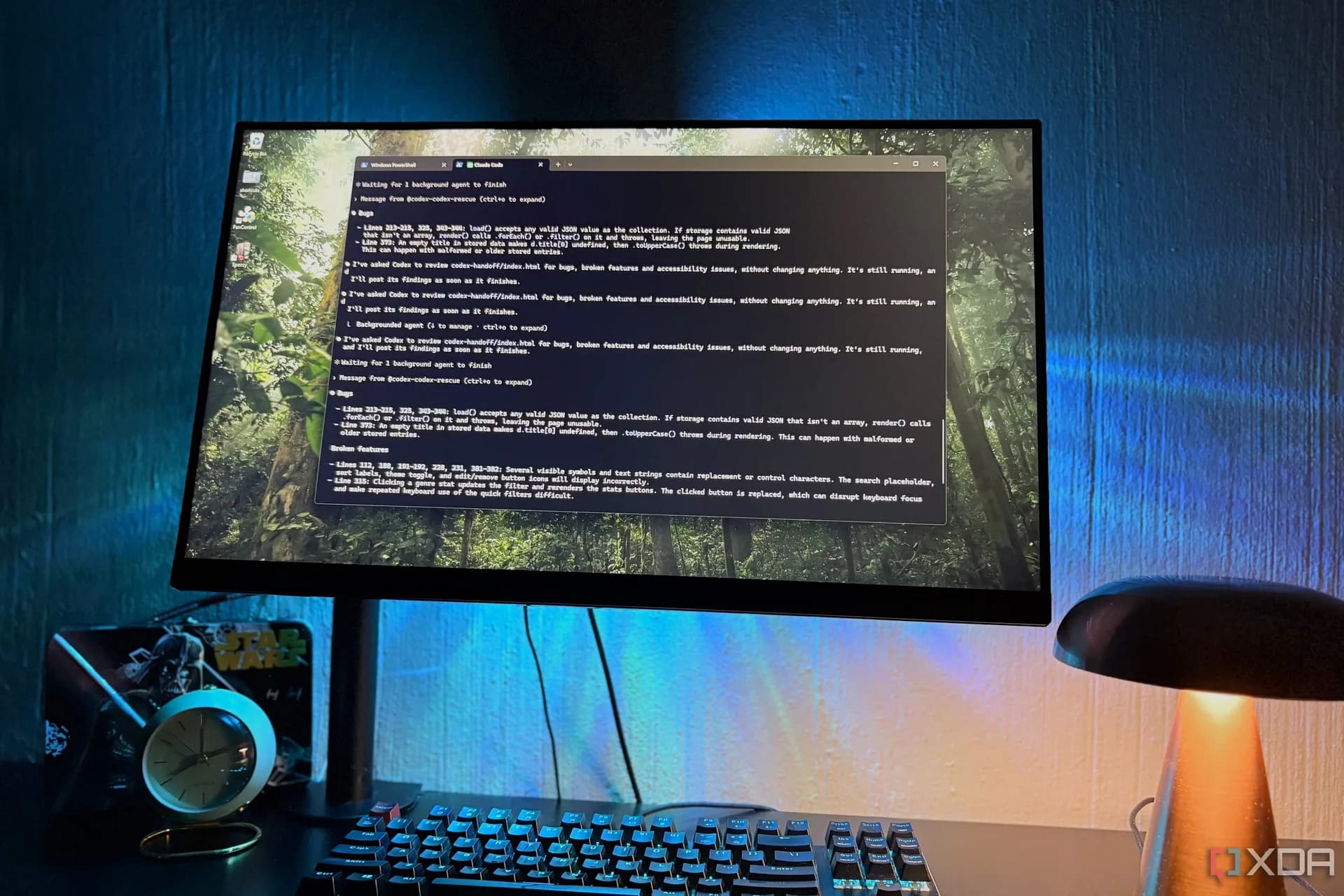
Three AI coding tools, one prompt, one winner. That's the takeaway from a comparison published by XDA Developers on Sunday, which set Anthropic's Claude Code, OpenAI's Codex and Google's Antigravity the same task: build a personal finance app with expense tracking, budget management, savings goals and interactive charts, using nothing but the default model in each tool and a single detailed prompt.
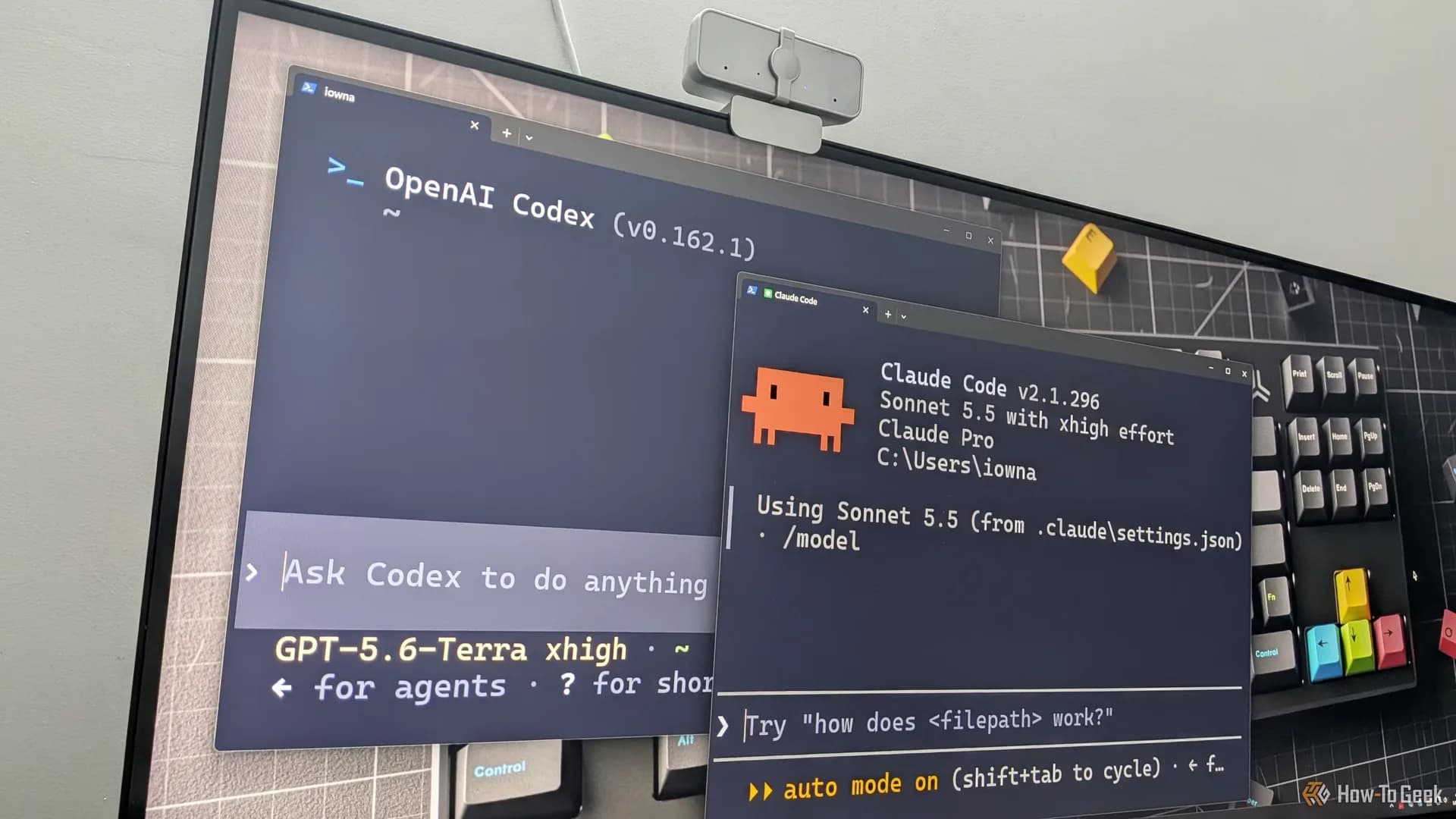
The models involved were Opus 5.5 inside Claude Code, Gemini 3.8 inside Google Antigravity and GPT-6 Astra inside OpenAI Codex. No follow-up instructions, no tweaking. Whatever came out on the first pass is what got judged.
Codex went first, and the tester liked the subtle green backdrop it chose for a finance app. But the praise stopped there. Body text throughout the interface ran too small, a complaint the reviewer says has followed OpenAI's models since GPT-5. The transactions page leaned on generic, personality-free icons, and the analytics screen mixed oversized and undersized elements in a way that read as unfinished.
Antigravity, running Gemini 3.8, did noticeably better. Spacing felt natural, text was sized properly, and the dashboard looked closer to something a real fintech app might ship. A greeting box at the top was a nice touch. But Antigravity also shipped two separate Add Transaction buttons on the main dashboard for no apparent reason, and its transactions page used the same flat black-and-white icons that dragged down Codex's version. The savings goals and accounts pages, by contrast, got gradient treatments the tester called genuinely attractive.
Claude Code took the gradients further
Claude Code, the tester writes, avoided nearly every problem the other two ran into. Typography was consistent, spacing felt deliberate, and the layout read like something reviewed by an actual designer rather than generated in one shot. Rather than confining charts to the dashboard and analytics screen, Claude Code spread data visualizations across the whole app. The budgets and accounts sections got gradient themes, the transactions page used colorful category icons instead of generic ones, and even the animations came across as smooth rather than bolted on.
The one knock: the tester would have preferred a greener background, the kind Codex used by default.
This is one outlet's single test run on one prompt, not a benchmark suite, and results from AI coding tools can vary with wording, context length or the day's model version. Anthropic, OpenAI and Google all update these systems frequently, and a rerun next month could land differently. But as a snapshot of where three of the most-used coding agents stand on turning a plain-language spec into something that looks ready to ship, Claude Code came out ahead, and by a wider margin than Antigravity's lead over Codex.
ADFiled by The AI Desk
Models, assistants and the companies and chips behind them, reported from what was released and what was claimed, with the difference kept clear.
More from this desk →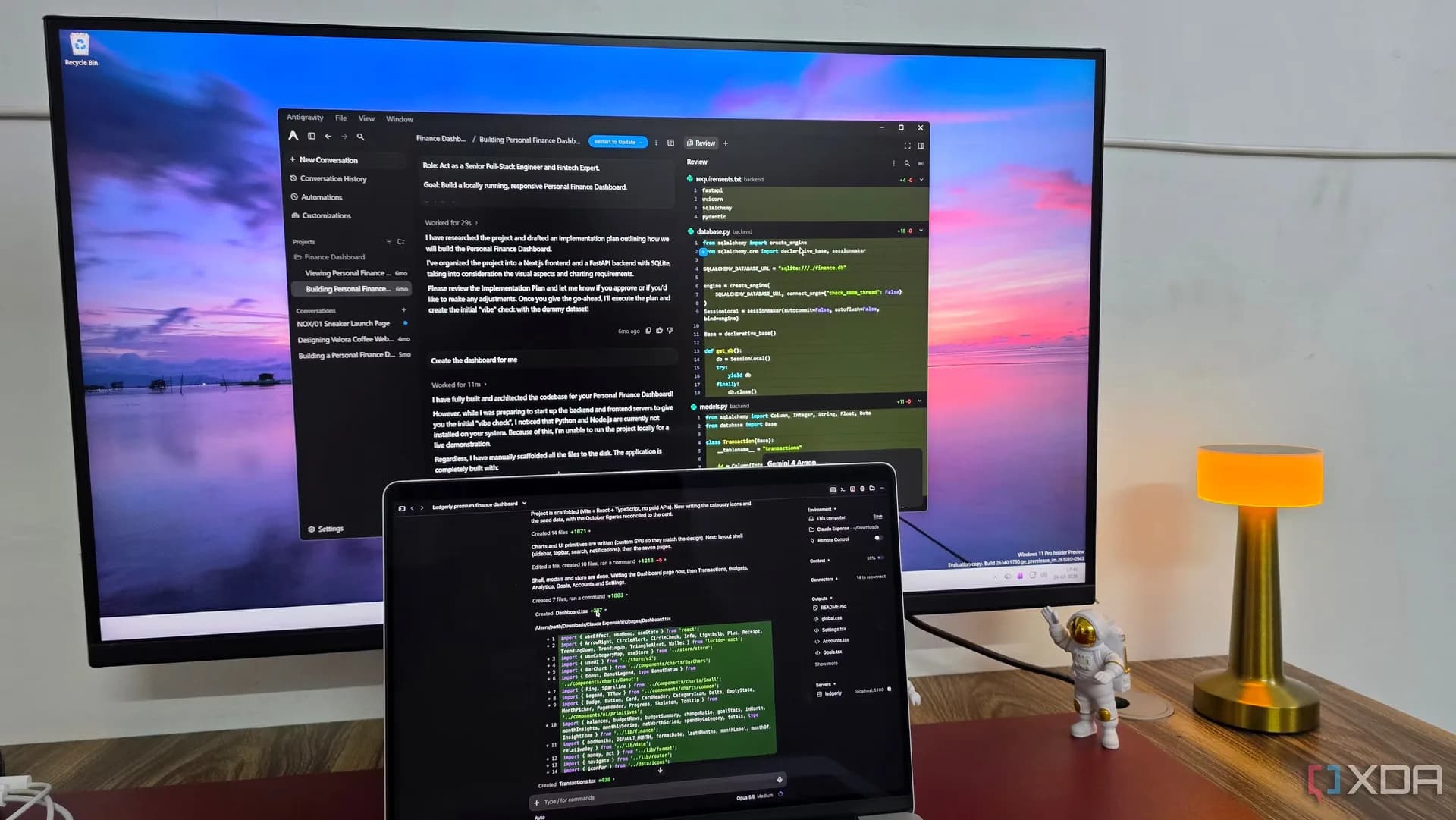
Be the first to comment
Join the argument. No password, just your email or a passkey.