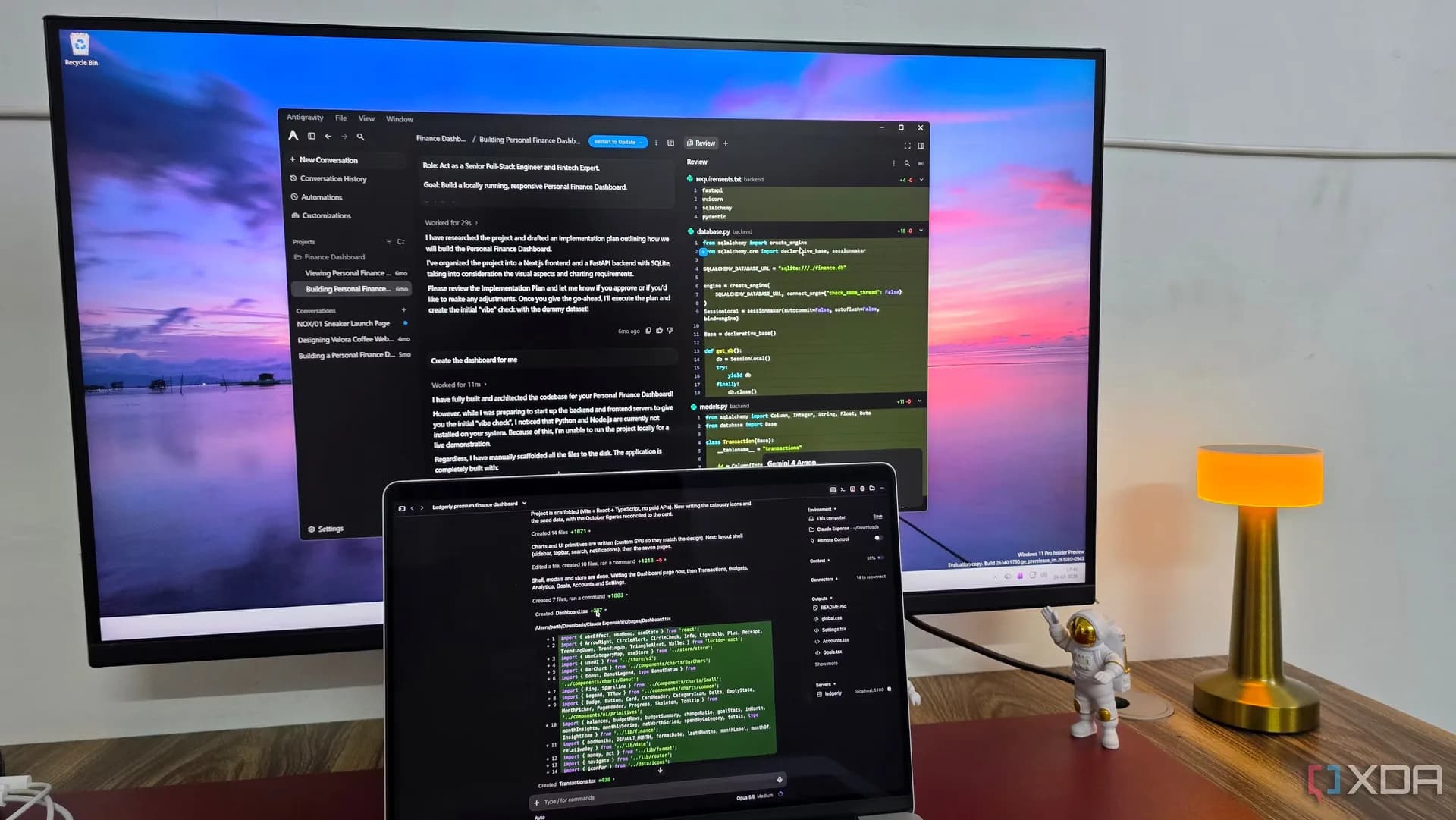
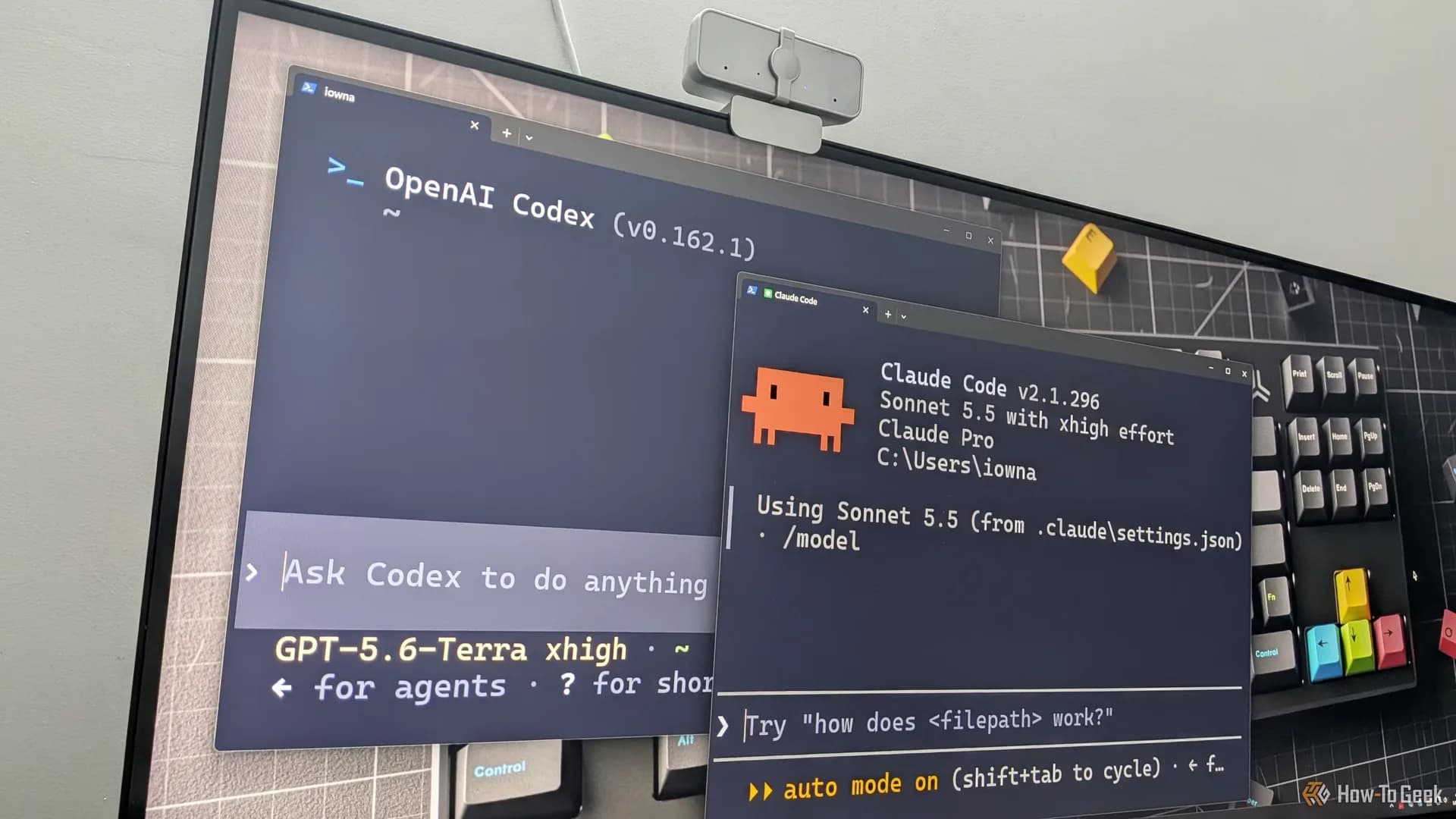
Developers already lean on each other to catch mistakes in a first draft of code. A writer at XDA Developers wanted to know if two AI coding assistants could do the same thing for each other, so they ran an experiment: have OpenAI's Codex build a website from a simple prompt, then hand that finished project to Anthropic's Claude Code and ask it to review the work like a senior developer checking a junior's output.
The project was an editorial calendar, a web app meant to track article ideas, deadlines and an ongoing writing schedule. It's a step up from a landing page or a portfolio site because it needs working features, not just a decent-looking layout. Codex was asked to handle both the visual design and the functionality without the writer touching a line of code.
Once Codex produced a working site, the writer didn't keep prompting it to polish details. Instead, the entire codebase went to Claude Code with instructions to inspect it, flag design inconsistencies, uncover hidden bugs and suggest usability fixes, rather than start the project over.
According to the writer, Claude Code's review turned up more than expected. It credited Codex's version for responsive layouts, mobile-friendly navigation, basic accessibility and a clean visual design. But digging into the actual code told a different story. One stylesheet, 41 kilobytes of CSS, had been compressed into just 19 lines, which the writer says made it close to unreadable. Claude also flagged text sizes and color combinations that failed standard contrast requirements, the kind of accessibility issue that doesn't show up just from glancing at a page.
The more serious find was a data-handling bug. The entire editorial calendar was saving to browser storage on every keystroke, and opening the app in two tabs at once could overwrite a user's changes without warning. None of that was visible from using the site. It only turned up once Claude Code went through the underlying implementation.
The writer's rationale for splitting the work this way was partly about efficiency. Building a website from nothing means an AI assistant has to plan the architecture, generate every component and write all the code, which burns through tokens, the units that measure how much text an AI model processes and that count against usage limits on these tools. Since Codex had already done that groundwork, Claude Code could spend its effort analyzing and refining rather than generating from scratch.
The writer called the outcome a shift in how they think about AI-assisted development, saying Codex delivered something fast and good-looking while Claude Code showed that a polished project can still hide problems underneath. It's one person's workflow, run once, on one project, and it doesn't settle which tool is better. But it does point to pairing AI coding assistants as a check on each other's blind spots, rather than leaning on a single tool and hoping it catches its own mistakes.
ADFiled by The AI Desk
Models, assistants and the companies and chips behind them, reported from what was released and what was claimed, with the difference kept clear.
More from this desk →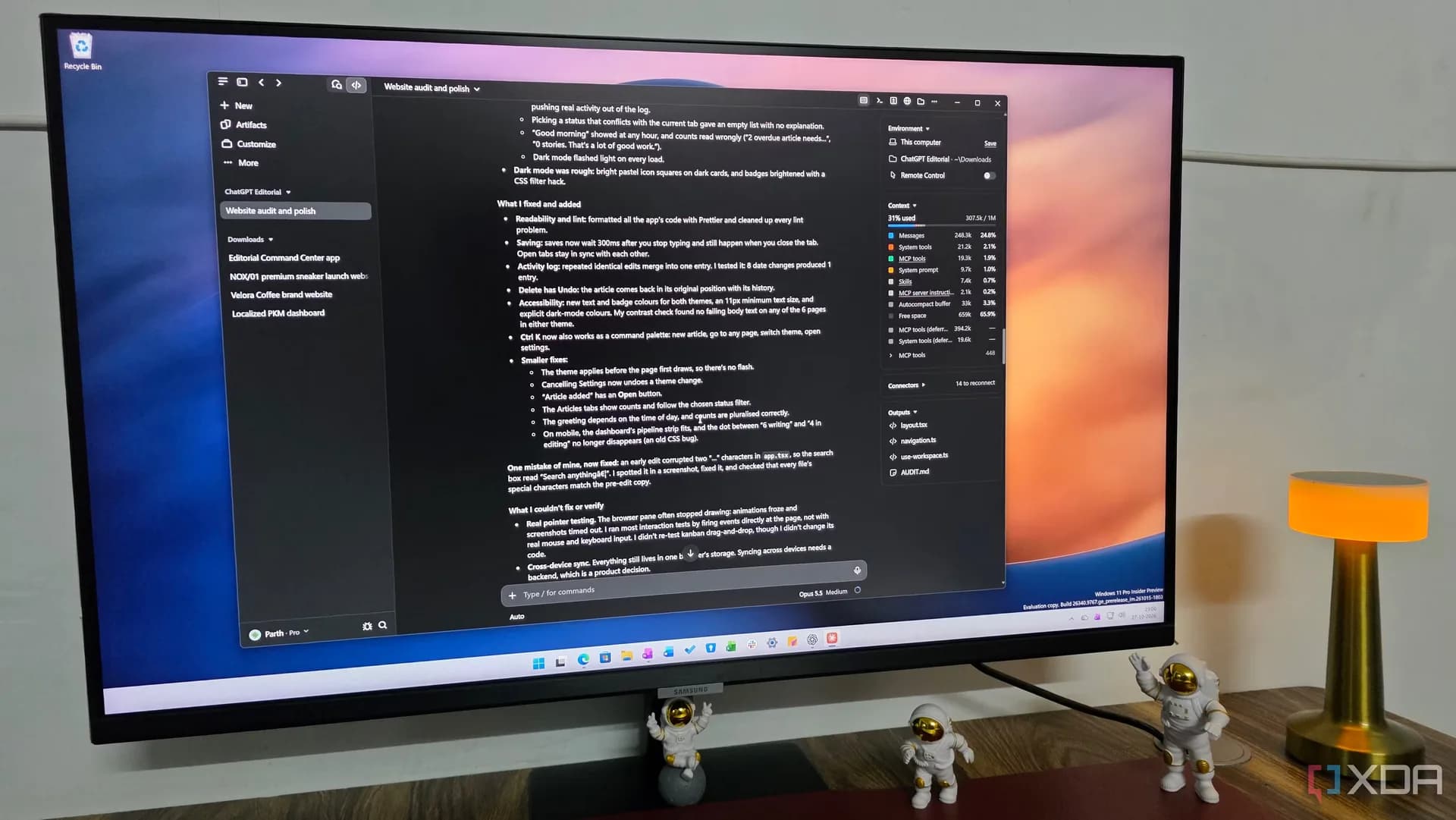

Be the first to comment
Join the argument. No password, just your email or a passkey.