Claude Code can build its own replacement — and so can Codex and Antigravity. That’s not speculation. It’s what XDA Developers demonstrated in a live experiment published 3 November 2026, using each agent to construct a functional, self-contained coding assistant from scratch, no human-written scaffolding, no prebuilt SDK wrappers, no copy-paste shortcuts.
All three succeeded. But they built very different things. And one stood out for interface ambition, not just output quality. Claude Code’s replacement, XDACode, is terminal-first: Python-based, lean, built with Anthropic’s official SDK, Rich, and prompt_toolkit.
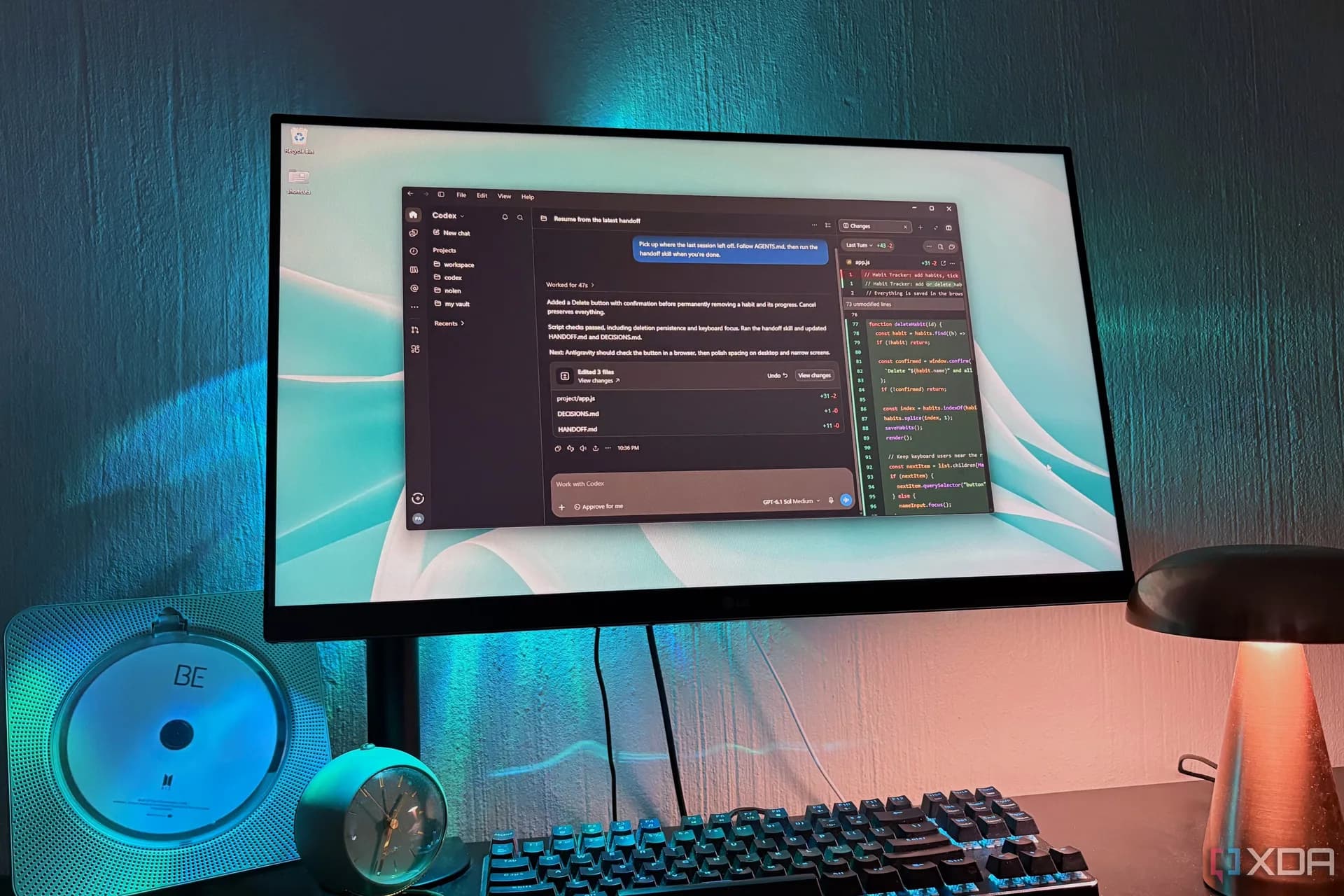
It gives clean file summaries, subtle status cues (“planning…”), and explicit approval prompts before writing, no wall of raw code. Codex’s version, XDACodex, also chose Python but leaned on the standard library alone, connecting directly to OpenAI’s API. Its output flooded the terminal with every line it generated, cluttered, verbose, harder to scan.
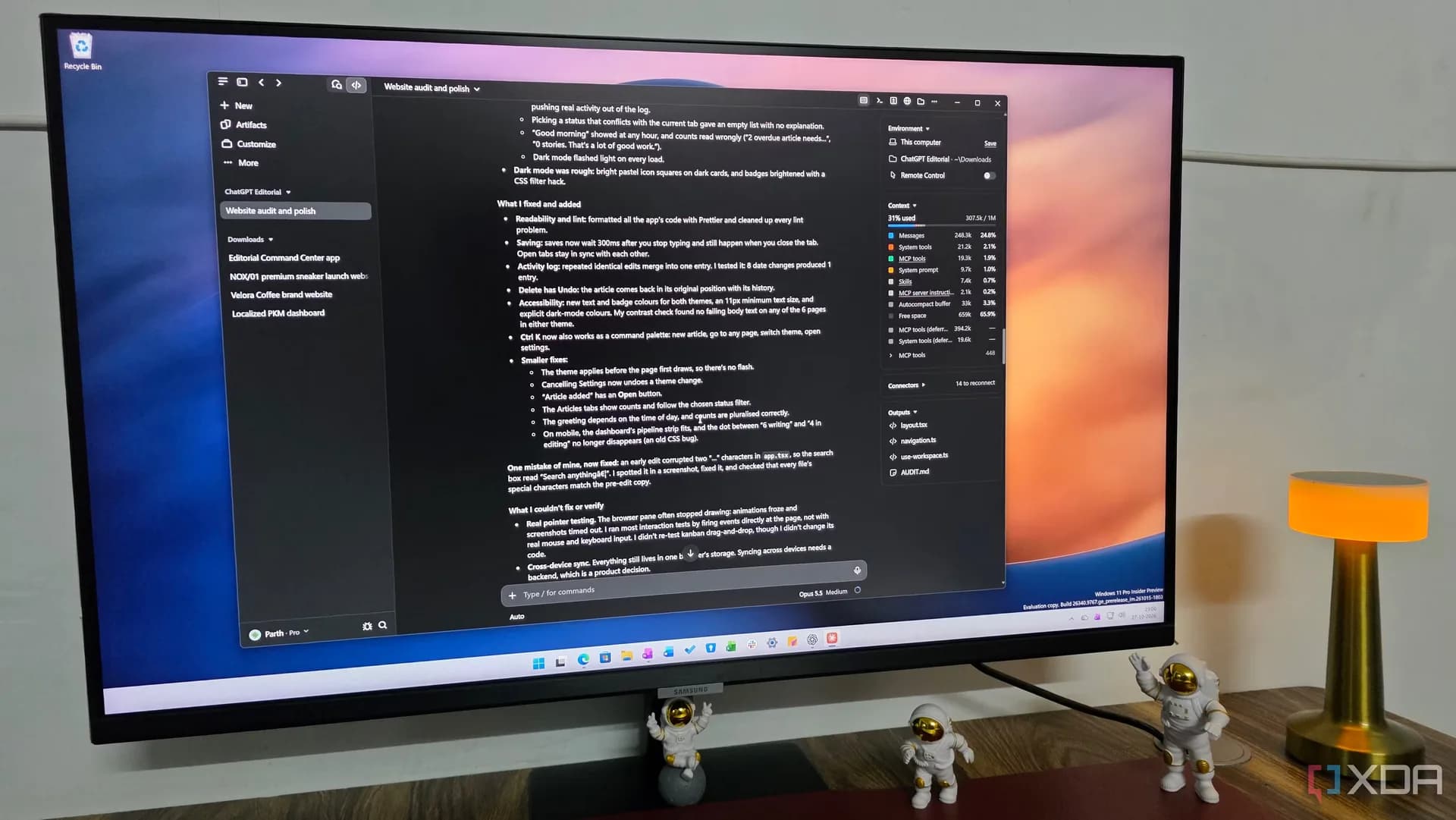
Antigravity went further: Node.js, zero runtime dependencies, and two interfaces, a terminal mode plus a browser-based workbench with file explorer, change diffs, session-level undo, and model-switching slash commands. That dual-mode design wasn’t asked for in the prompt. It was Antigravity’s own call. The test wasn’t about who writes better JavaScript or catches more edge cases.
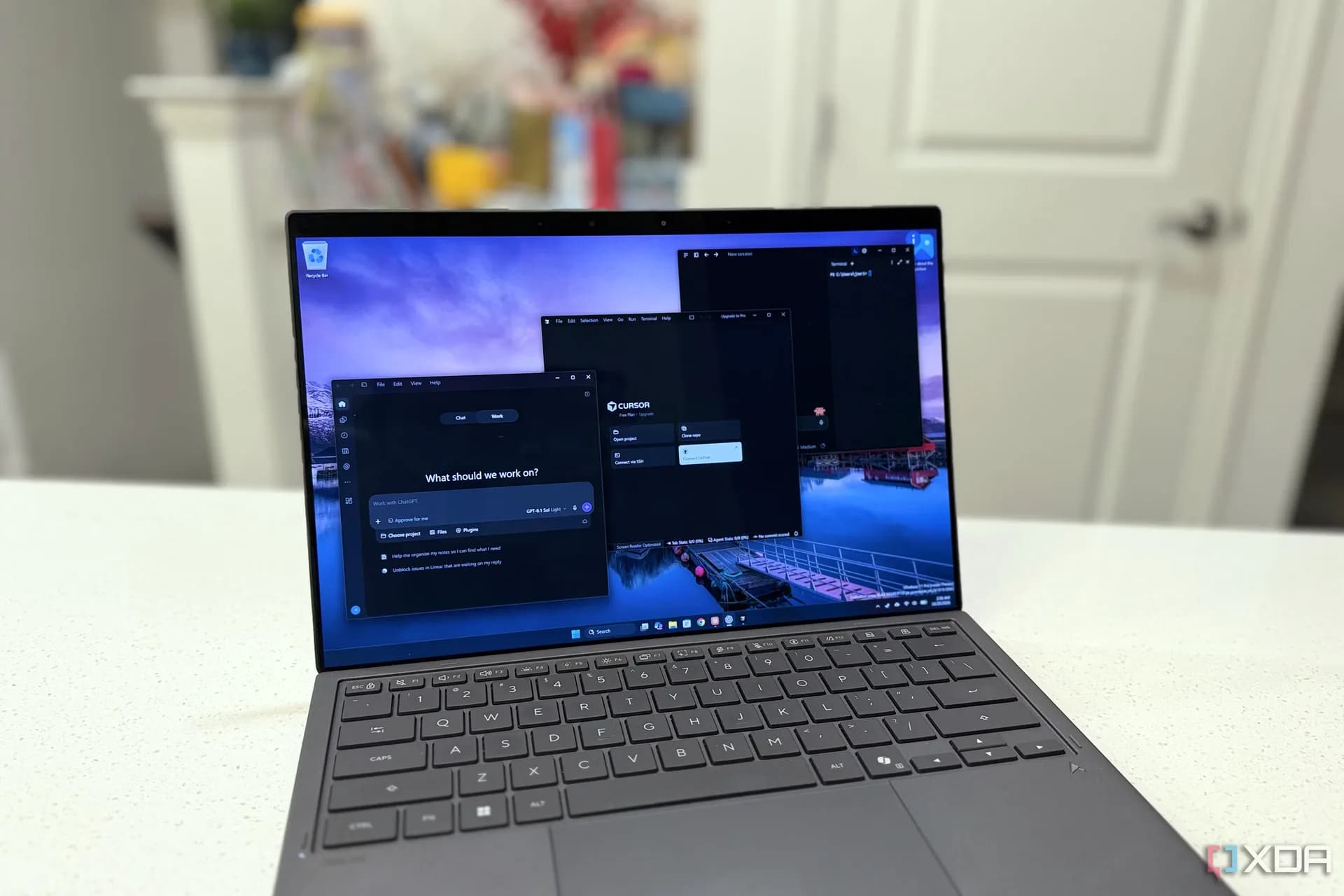
It was about autonomy, tooling instinct, and UX awareness, how each agent interprets “build a coding agent” when left to choose language, architecture, and interaction model. All three added ChatGPT Pro sign-in integration afterward, though Codex took longer to validate the flow and Antigravity needed a model fix post-login. None of this is a product launch.
There’s no pricing, no public release date, no download link. These are proof-of-concept agents built by AI, documented by XDA as a technical curiosity, not a benchmark, not a review, not a roadmap. But it does expose something concrete: the divergence in how today’s leading coding agents think about their own role.
Claude Code optimises for clarity and control in the terminal. Codex prioritises minimalism and correctness, even at the cost of readability. Antigravity treats the developer environment as something to be reimagined, not just replicated. That matters.
Because if AI coding agents are going to ship as standalone tools, not just chat add-ons, interface design won’t be an afterthought. It’ll be the first thing users notice. XDA’s experiment ends where real product development begins: shipping, support, and scale. Those steps still require humans.
For now.
ADFiled by The AI Desk
Models, assistants and the companies and chips behind them, reported from what was released and what was claimed, with the difference kept clear.
More from this desk →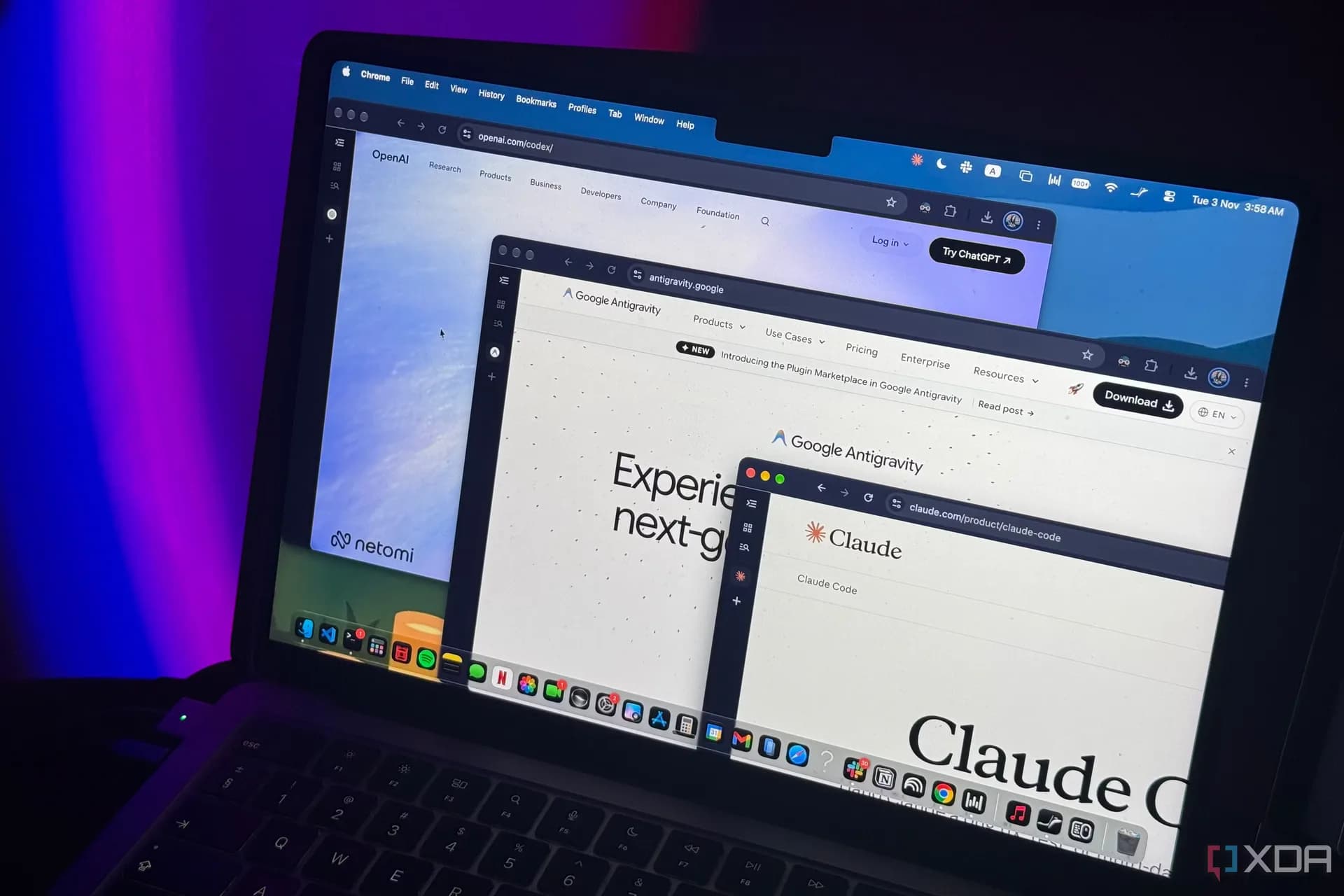
Be the first to comment
Join the argument. No password, just your email or a passkey.