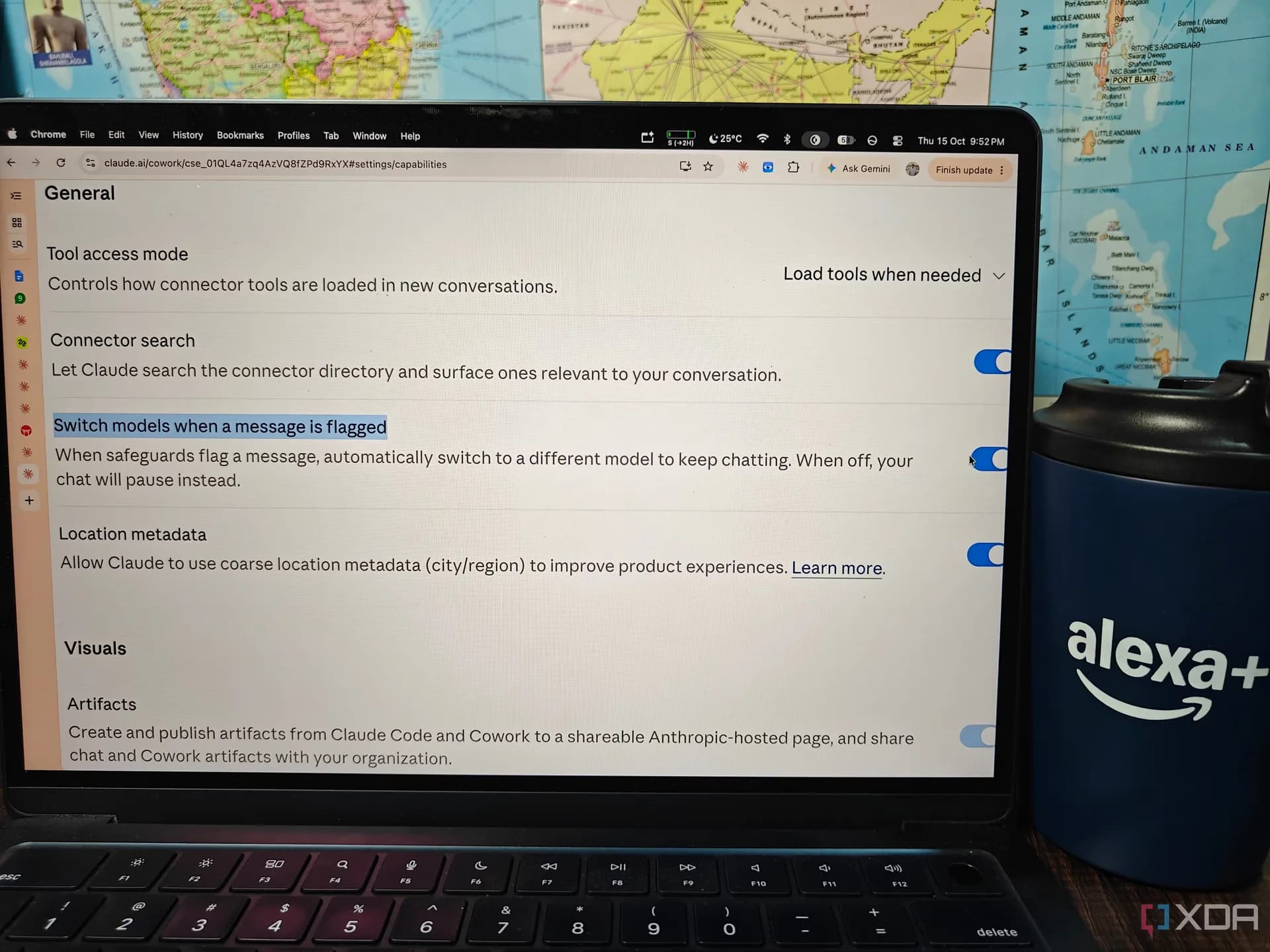
Claude Opus 5.5 quietly downgrades to Opus 4.8 when it detects security-related prompts — and Anthropic’s own testing shows that fallback model is more vulnerable to prompt injection attacks. The switch isn’t optional in the consumer apps: it fires automatically, stays active for the rest of the chat, and isn’t flagged in the UI beyond a small model name tag on replies. It applies across claude.ai, Claude Code, and Anthropic’s official mobile apps, no region or platform exemption. In India and the US, users get the same behavior out of the box. No price change, no update rollout timing. Just a silent, persistent model downgrade baked into the flagship release since September 22. And it’s not a bug. It’s by design. Anthropic built it to keep Opus 5.5 from answering offensive cybersecurity queries. But the safety mechanism has a known weakness: attackers can deliberately trigger the downgrade to land on Opus 4.8, the very model Anthropic’s internal tests found easier to compromise. In its Sonnet 5.5 system card, Anthropic reports that 12.01% of requests rerouted to the older fallback (Sonnet 5) were successfully hijacked in prompt-injection tests. Versus just 4 of 5,901 for Sonnet 5.5 answering itself. That gap holds up in external benchmarks too: Gray Swan’s UK AI Security Institute test found only one compromised run out of 777 on fallback models, but that outlier doesn’t erase the pattern Anthropic itself documented. The classifier doesn’t just read your typed question. It scans attached files, memory context, web search results, and even code repositories you’ve connected. A malicious instruction buried in a GitHub README or a security advisory pulled via web search can flip the switch mid-conversation. Turning what looked like an innocuous query into a fallback-triggered session. You can disable it. In the Claude app: Settings → Capabilities → toggle off “Switch models when a message is flagged”. In Claude Code: Config → MODEL & OUTPUT → same toggle. Turn it off, and flagged requests pause instead of downgrading. You then rephrase, retry, or manually pick a model. For defensive security work, secure code review, threat modeling, patch triage. Opus 5.5 stays active. But malware analysis, exploit validation, or binary vulnerability hunting? Those trip the classifier. Anthropic’s Cyber Verification Program offers lighter restrictions for verified defenders, red teams, and critical-infrastructure users, expanded October 6. But individuals must apply on a paid plan and are limited to Tier 1 access. Haiku 5.5, released October 7, avoids the issue entirely: no fallback, no downgrade. Blocked requests simply stop. Anthropic says that’s why Haiku 5.5 resisted prompt injection better than Opus or Sonnet in its own tests. So the trade-off is clear: convenience versus control. Leave the switch on for everyday coding help, where the risk is weaker answers, not compromised outputs. Turn it off if you’re feeding Claude untrusted code, logs, or third-party docs. Because the safest model isn’t always the newest one. It’s the one you choose. Not the one it picks for you.
Claude Opus 5.5 downgrades to Opus 4.8 on security prompts — and Anthropic’s own tests show that fallback is significantly more vulnerable
Anthropic’s new flagship Claude Opus 5.5 downgrades to Opus 4.8 on security prompts — and its own tests show that fallback is far easier to hijack.
By Model Card
The AI Desk · (2 hours ago)
Reported from
How this story was made
Written by the Hitechreports desk from the reporting credited above, with facts attributed to their original publishers. We do not test devices ourselves; anything about performance, battery life or cameras comes from the outlets that did. Prices are as reported at the time of writing. Editorial policy · Report an error
Filed by The AI Desk
Models, assistants and the companies and chips behind them, reported from what was released and what was claimed, with the difference kept clear.
More from this desk →Read next
More AI →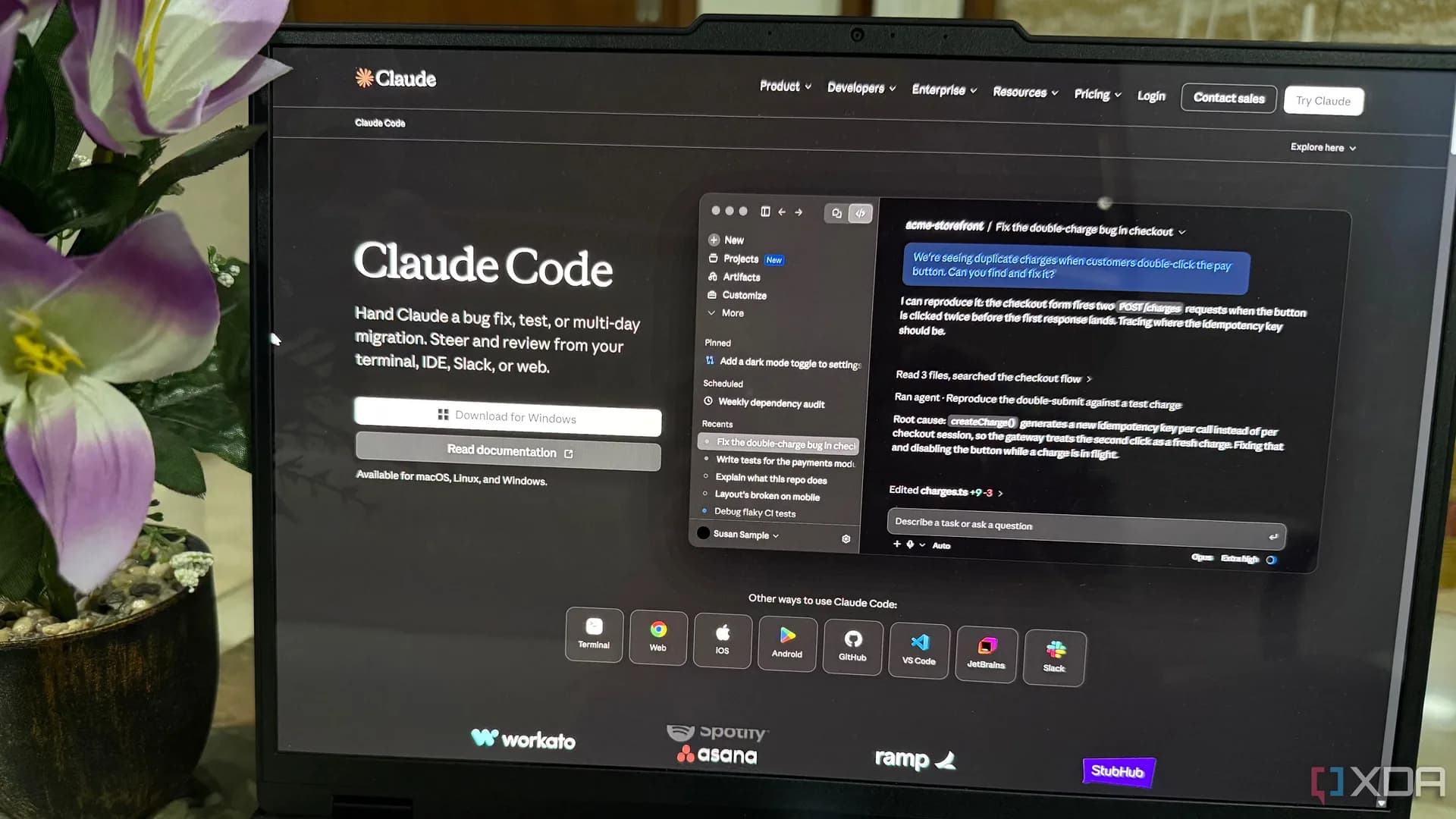
How Everyday Habits Burn Through Claude AI Message Limits
Running into Anthropic's rate caps on Claude AI often stems from workflow inefficiencies rather than heavy workloads. Trimming document attachments and asking for targeted revisions can keep daily projects running longer.
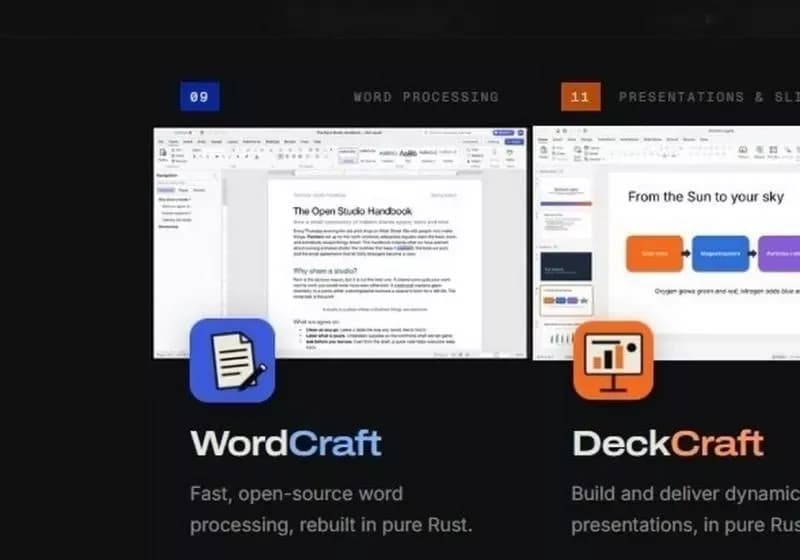
Claude AI builds Word, Excel, and PowerPoint clones: WordCraft, GridCraft, DeckCraft go live
WordCraft, GridCraft, and DeckCraft — open-source, AI-built replicas of Microsoft Word, Excel, and PowerPoint — are now available for download.
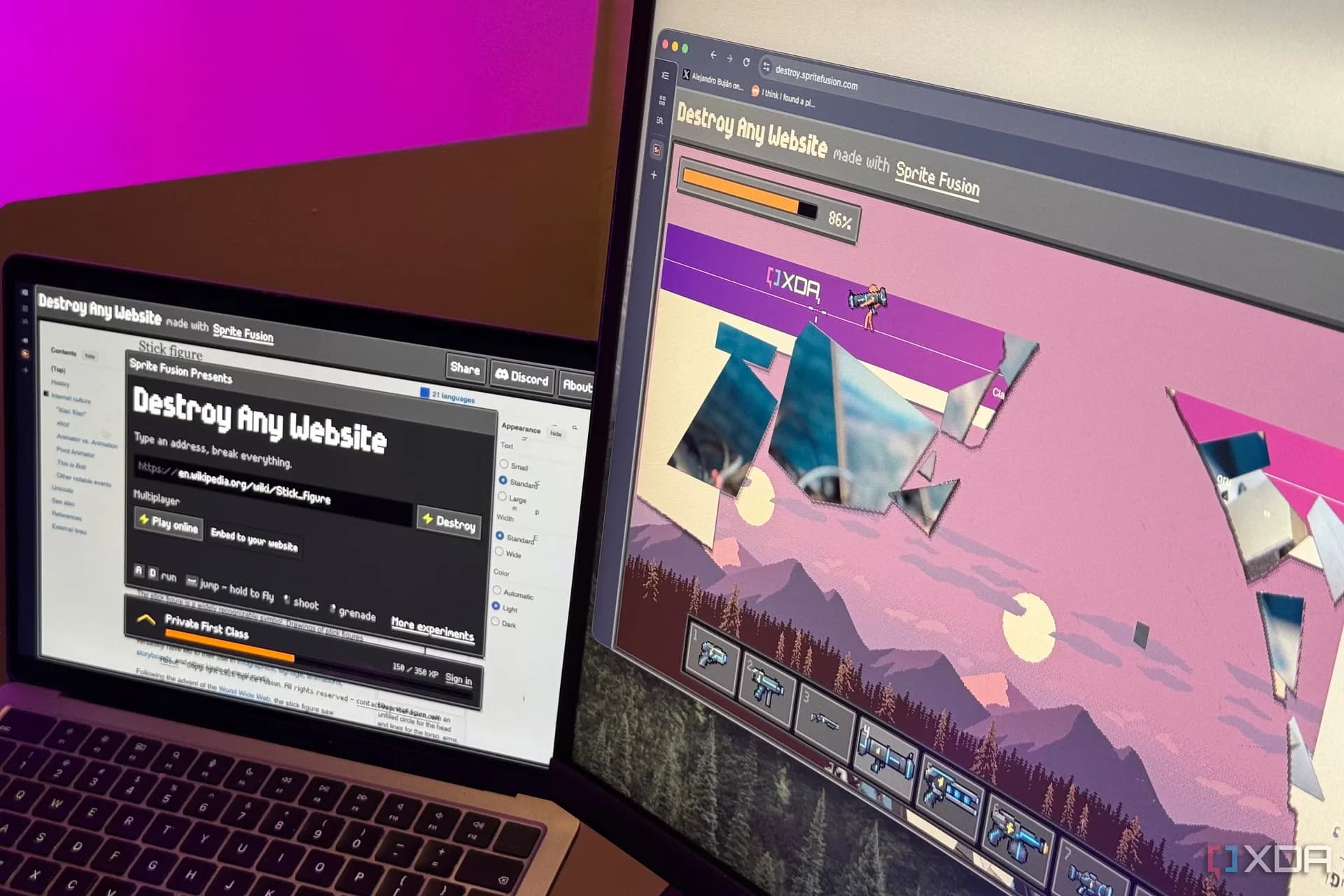
Claude AI Helps Developer Build Destructible Web Sandbox Game in a Weekend
A browser game called Destroy Any Website turns live URLs into interactive destruction sandboxes using Canvas 2D, Cloudflare, and code assisted by Anthropic's Claude AI.
Be the first to comment
Join the argument. No password, just your email or a passkey.