A modder dealing with persistent hitching in The Elder Scrolls IV: Oblivion Remastered has turned to Claude AI to patch the game directly, producing an unofficial fix that claims to boost performance by as much as 40 percent.
Creator LTSharpe built the fix after running into frame pacing and stuttering problems on a desktop powered by an AMD Ryzen 7 5800X processor and an AMD Radeon RX 9070 XT graphics card. Instead of waiting on an official studio update, the player relied on Claude Code to analyze the title's binaries, hunt down engine bottlenecks, and modify a core dynamic link library (DLL) file.
According to the documentation published on GitHub, the resulting DLL modification incorporates roughly 40 discrete adjustments. LTSharpe stated that the revised code tackles several common pain points in the remaster, including sluggish frame rates across crowded cities, interface latency, and the micro-freezes that occur when transitioning through exterior doors or traveling across the open world. The creator maintained that none of these changes degrade visual fidelity or require players to turn down graphical presets to achieve the gains.
Side-by-side footage shared on YouTube at 4K resolution shows the modified build maintaining higher average frame rates and flatter frame-time lines compared to the unmodded release. The comparison also displays higher CPU core utilization, pointing to better multithreaded resource distribution under heavy loads.
Reverse-engineering compiled game logic usually demands extensive assembly knowledge and weeks of manual debugging. By feeding runtime issues into Claude Code, LTSharpe was able to generate targeted optimizations without relying on internal developer tools. The project relied on Anthropic's paid command-line coding environment rather than standard free conversational bots, which lack the contextual file access needed to inspect and refactor compiled game dependencies.
Whether studio engineers adopt similar AI-assisted diagnostic methods for post-launch maintenance remains an open question across the games industry. In the meantime, the custom DLL package is currently available as a free download on GitHub, complete with manual installation steps for PC players looking to test the frame-rate improvements on their own rigs.
GDFiled by The Games Desk
Consoles, handhelds, PC gaming and the platforms and hardware behind them.
More from this desk →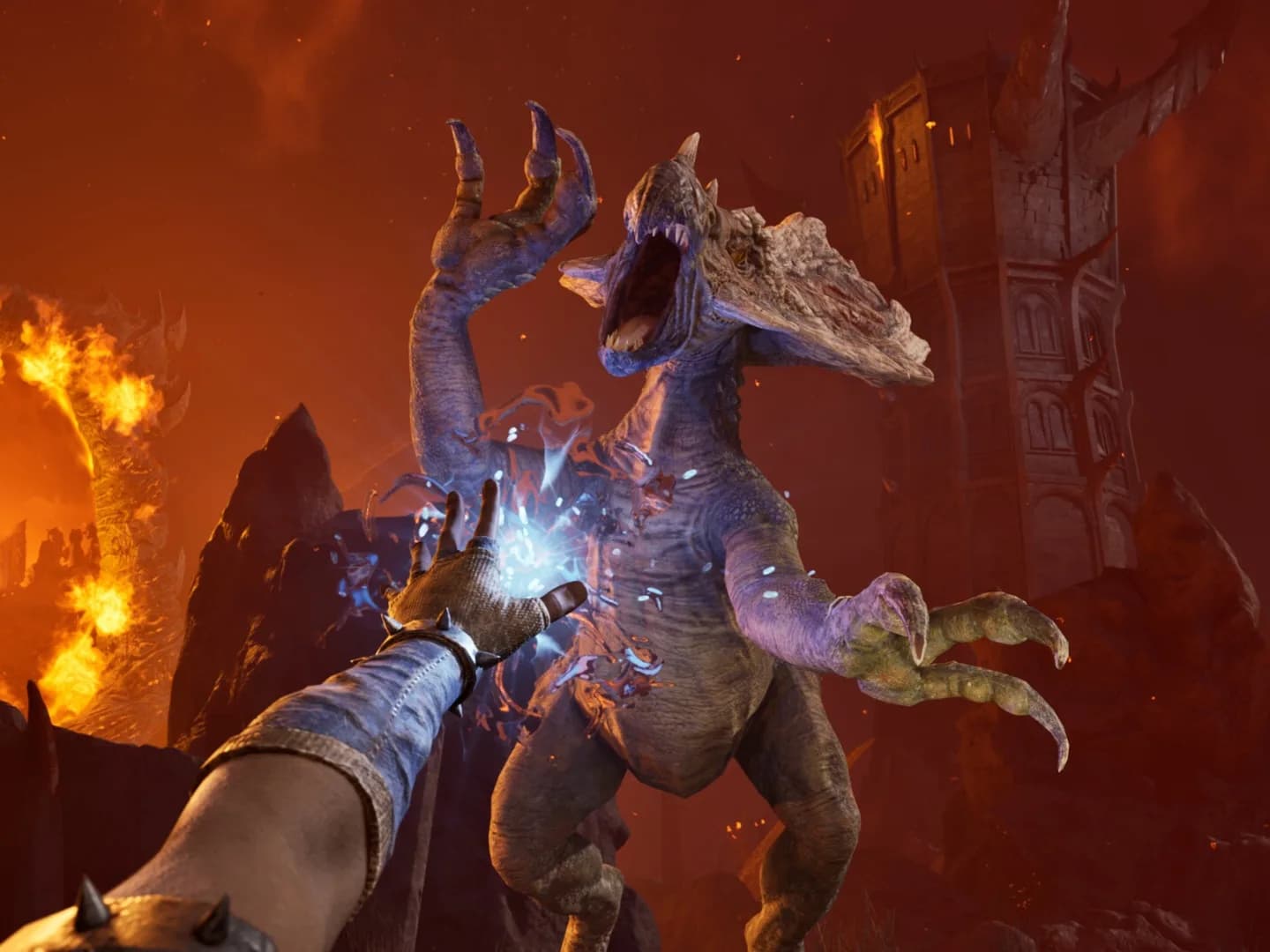

Be the first to comment
Join the argument. No password, just your email or a passkey.